
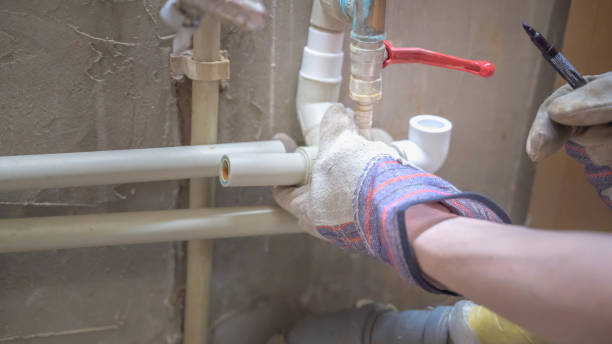
If your plumbing system keeps giving trouble again and again, it is usually not just a small repair issue. In many homes and commercial buildings in Weymouth, MA, repeated plumbing problems often point toward a deeper issue inside the pipe system. As pipes get older, they slowly lose strength, and small repairs stop being enough to keep everything working properly.
Understanding when you may need whole-home repiping in Weymouth, MA can help you avoid serious water damage, rising repair costs, and daily disruption in your property. Many property owners continue fixing one issue after another, not realizing that the entire system may already be near the end of its life.
Why Plumbing Pipes Start Failing Over Time
Every plumbing system has a natural lifespan. Even strong materials cannot last forever. Over time, constant water flow, pressure changes, and mineral buildup start affecting the inner condition of pipes. In older buildings, this process happens even faster due to outdated materials and long term wear.
In many cases, pipes begin to weaken from the inside before any visible damage appears. That is why plumbing issues often seem sudden, even though the system has been slowly deteriorating for years.
Frequent Leaks That Keep Coming Back
One of the most common warning signs is repeated leaks in different parts of the property. A single leak is normal and can happen due to local damage. But when leaks keep showing up in different rooms, walls, or floors, it usually means the plumbing system is no longer reliable.
These leaks often appear as water stains on ceilings, damp patches on walls, or moisture around flooring. Over time, even small leaks can lead to mold growth and structural damage if the real issue is not addressed.
At this stage, continuing repairs may not be the best long term solution. Many property owners eventually choose whole-home repiping in Weymouth, MA to stop the cycle of constant plumbing failures.
Water That Looks Rusty or Discolored
Clean water should always be clear. If your water starts looking brown, yellow, or slightly reddish, it is often a sign of corrosion inside the pipes. This is very common in older metal plumbing systems where rust builds up over time.
This issue does not just affect appearance. It can also change the taste of drinking water and impact daily use in kitchens and bathrooms. When discoloration keeps returning even after flushing the system, it usually means the pipes themselves are breaking down from the inside.
Low Water Pressure Throughout the Property
Another strong warning sign is weak water flow across multiple fixtures. If only one faucet has low pressure, it may be a local blockage. But if the entire building experiences weak flow, the issue is often inside the main plumbing system.
This usually happens when mineral deposits slowly build up inside pipes, making the passage narrower. As a result, water cannot move freely, and pressure drops across the system. Showers become weaker, sinks take longer to fill, and appliances may not work as efficiently as before.
Unusual Noises Coming From Pipes
Plumbing systems should operate quietly. If you start hearing banging, rattling, or whistling sounds, it is often a sign that something is not right inside the system.
These noises can happen when air gets trapped in pipes, when pressure is uneven, or when old pipes begin to shift inside walls. While it may seem minor at first, these sounds often point to deeper structural issues that can lead to future leaks or pipe failure.
Changes in Water Taste or Smell
If your water starts tasting metallic or smells slightly off, it may be linked to internal pipe corrosion. As pipes age, small particles can enter the water supply, affecting both taste and quality.
This is especially common in older plumbing systems that have not been updated for decades. Even if the water still looks clear, changes in taste or smell should not be ignored.
Visible Signs of Pipe Damage
In basements, utility rooms, or exposed plumbing areas, visible damage is a clear warning. Rust spots, green staining, and flaking surfaces often mean the pipes are deteriorating.
These visible signs are usually just a small part of a larger hidden problem inside walls or ceilings. If damage is already visible outside, the internal condition is often worse.
Why Ignoring the Problem Becomes Expensive
Many property owners delay full replacement because repairs feel more affordable at first. However, repeated plumbing issues often add up over time. Small repairs done again and again can end up costing more than a complete system upgrade.
Delaying action can also lead to water damage inside walls, flooring issues, mold problems, and unexpected emergency repairs. In commercial spaces, it can even disrupt daily operations and cause financial loss.
This is why many experts recommend considering whole-home repiping in Weymouth, MA when warning signs become frequent.
How New Plumbing Improves Everyday Use
Replacing old pipes brings noticeable improvement in daily water usage. Water flow becomes more stable, pressure becomes stronger, and overall reliability improves. Clean water supply also becomes more consistent without rust or unwanted particles.
New plumbing systems also reduce the need for constant service calls, which helps property owners save money in the long run. It also increases property value, which is an added advantage for both residential and commercial buildings.
Pipe Materials Used in Modern Repiping
Modern plumbing systems usually use materials like PEX and copper. PEX is flexible and resistant to corrosion, making it easier to install in existing structures. Copper is known for its strength and long service life, which makes it a preferred choice in many long term installations.
The choice of material depends on the building type, budget, and long term usage needs.
Extra Protection With Basement Water Control
Along with plumbing upgrades, many property owners also focus on basement protection systems. Adding sump pump installation in Weymouth, MA can help protect the property from flooding during heavy rainfall or unexpected water buildup.
A proper sump pump installation service helps keep basements dry and reduces the risk of water damage to stored items, flooring, and foundation areas.
What Happens During Repiping Work
The repiping process is usually planned in steps to reduce disruption. First, the plumbing system is inspected to understand the condition of existing pipes. After that, a layout plan is created for new pipe installation. Old pipes are then carefully removed and replaced with new materials. Once installation is complete, the system is tested to ensure proper pressure and flow before final cleanup.
Preparing Before the Work Begins
Before repiping starts, it helps to plan ahead. Property owners should prepare for temporary water shutdowns, protect valuable items in work areas, and discuss timing with the plumbing team. Clear communication helps the entire process move smoothly without confusion.
Is Whole Home Repiping a Smart Decision
In many cases, yes. If plumbing issues keep returning and repairs are becoming frequent, replacing the entire system can save both time and money. Instead of dealing with ongoing problems, a new plumbing system provides long term stability and fewer unexpected issues.
Conclusion
Are you dealing with constant plumbing issues that keep returning no matter how many times they are repaired? If yes, it may be time to consider whole-home repiping in Weymouth, MA before the problem turns into serious water damage or higher repair expenses.
A properly updated plumbing system improves water quality, strengthens flow, and brings long term reliability to both homes and business properties. If you are looking for trusted plumbing support, Steel Hill Plumbing and Heating provides reliable plumbing services with experienced professionals who handle both repairs and full system upgrades.
Frequently Asked Questions
How do I know if I need whole home repiping?
If you are seeing frequent leaks, low water pressure, rusty water, or repeated plumbing repairs, your system may be nearing the end of its lifespan.
How long does repiping usually take?
Most residential or small commercial properties can be completed within a few days depending on size and complexity.
Will new pipes improve water pressure?
Yes, new pipes usually restore proper water flow and improve pressure throughout the property.
What pipe materials are commonly used today?
PEX and copper are the most commonly used materials in modern plumbing systems.
Can repiping reduce long term repair costs?
Yes, it reduces repeated repair needs and helps avoid emergency plumbing issues.