
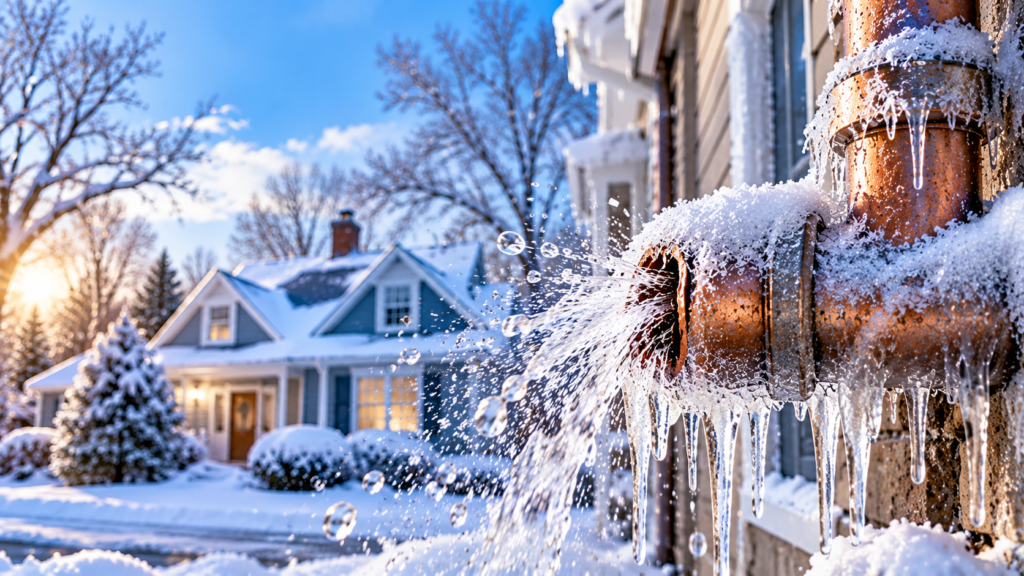
Winter can be tough on plumbing systems in East Bridgewater, MA. When temperatures drop below freezing, water inside exposed pipes can turn into ice. As the water freezes, it expands and creates pressure inside the pipe. If that pressure becomes too high, the pipe may crack or split.
For homeowners and local businesses, a frozen pipe is more than a minor winter inconvenience. A burst line can send water into walls, floors, ceilings, storage areas, and other parts of a building. The longer the leak continues, the more difficult and expensive the cleanup can become.
Understanding why pipes freeze, where the problem usually starts, and what you can do before temperatures fall can help protect your property throughout the winter.
What Happens When a Pipe Freezes?
Water behaves differently when it freezes. Unlike many materials that contract when they become colder, water expands as it turns into ice.
When ice forms inside a pipe, it can create a blockage. Water behind that blockage has nowhere to move. Continued freezing increases pressure between the ice and the closed sections of the plumbing system.
Eventually, the pressure may become strong enough to damage the pipe.
The American Red Cross notes that frozen water inside pipes can create enough pressure to break both metal and plastic plumbing lines. The actual split may occur away from the section where the ice has formed.
This is one reason a pipe may appear fine during a freezing spell but begin leaking once temperatures rise and the ice starts to melt.
Why Are Pipes in East Bridgewater Vulnerable?
East Bridgewater experiences cold winters, and extended periods of freezing temperatures can put stress on residential and commercial plumbing systems.
However, outdoor temperature is not the only factor. The location and condition of a pipe also affect its risk of freezing.
Some plumbing areas are more exposed to cold air than others, including:
- Pipes running along exterior walls
- Unheated basements
- Crawl spaces
- Garages
- Attics
- Utility rooms with poor insulation
- Plumbing beneath sinks located against exterior walls
- Outdoor water lines
- Vacant buildings with reduced heat
Poor insulation can make these areas even more vulnerable. Cold air entering through gaps around doors, windows, walls, or other openings can also lower the temperature around nearby pipes.
Why Businesses Should Take Frozen Pipes Seriously
Frozen plumbing can cause major problems for local businesses. A restaurant may have to stop serving customers if a water line breaks. A retail store could lose inventory to water damage. An office may have to close part of its workspace. A warehouse could face damage to stored products or equipment.
For small and medium-sized businesses, even a short interruption can affect customers, employees, deliveries, and daily revenue.
That is why business owners should inspect vulnerable plumbing before severe winter weather arrives.
If a damaged pipe does occur, broken pipe repair in East Bridgewater MA may be needed to restore the water system and prevent additional damage.
Which Pipes Are Most Likely to Freeze?
Not every pipe in a building is equally exposed to freezing temperatures.
Pipes Near Exterior Walls
Pipes installed close to outside walls may receive less heat from the interior of the building. If insulation is limited, cold outdoor temperatures can quickly affect the water inside the line.
Pipes in Garages
Garages can become very cold during winter, especially when the garage door is frequently opened. Any exposed plumbing in this area should be properly protected.
Pipes in Crawl Spaces
Crawl spaces can have poor insulation and airflow from outside. Plumbing located in these areas can freeze during extended cold weather.
Pipes Under Kitchen and Bathroom Sinks
Cabinet spaces can become cold when they are located against exterior walls. Keeping cabinet doors open during extreme cold can allow warmer indoor air to reach the plumbing.
Outdoor Water Lines
Garden hoses and outdoor faucets can leave water trapped inside connected plumbing. Disconnecting hoses before winter is a simple step that can lower the chance of freezing.
Why Does a Frozen Pipe Burst?
The key problem is pressure. When water freezes, it expands. If the expanding ice has nowhere to move, pressure builds inside the plumbing system.
Imagine a section of water pipe blocked by ice. The water between the ice blockage and a closed fixture is trapped. As more water freezes, the pressure increases.
A pipe that is already weakened by age, corrosion, poor installation, or previous damage may not be able to handle that pressure.
This can lead to:
- Cracks along the pipe
- Split plumbing lines
- Damaged fittings
- Broken joints
- Leaking connections
- Major water flow after thawing
A burst pipe can release a large amount of water once the blockage melts. In some cases, the damage becomes noticeable only after the weather begins to warm.
Signs That a Pipe May Be Frozen
A frozen pipe does not always produce an obvious warning. In many cases, the first sign is a change in water flow.
Watch for:
- Little or no water coming from a faucet
- A sudden drop in water pressure
- Only a small trickle of water
- Frost visible on exposed plumbing
- Unusual sounds when turning on a faucet
- Water appearing around cabinets
- Damp areas near walls or ceilings
- Unusual smells from drains or fixtures
If one fixture suddenly stops receiving water during freezing weather, do not assume the issue is with the faucet itself. A frozen section somewhere along the supply line could be responsible.
What Should You Do If a Pipe Freezes?
If you suspect a pipe has frozen, act carefully.
First, keep the affected faucet open if some water is still flowing. This can provide a path for water as the frozen section begins to thaw.
If the frozen section is easy to access, gentle and controlled heat may help. The American Red Cross recommends safe heating methods such as an electric heating pad or hair dryer. It also warns against using an open flame, torch, propane heater, kerosene heater, or other dangerous heat sources to thaw pipes.
Never use a flame to heat a pipe.
If the frozen pipe is inside a wall, cannot be located, or appears to have cracked, contact a plumbing professional instead of attempting a risky repair.
What Causes Pipes to Freeze More Easily?
Several conditions can increase the risk of frozen plumbing.
Poor Insulation
Insulation helps reduce heat loss around plumbing. Pipes without enough protection can become cold much faster.
Sudden Temperature Drops
A quick change from moderate temperatures to freezing conditions can catch property owners off guard, particularly when exposed plumbing has not been prepared.
Long Periods of Cold Weather
A short cold spell may not cause a problem, but several days of freezing temperatures can gradually lower temperatures in basements, crawl spaces, garages, and other areas.
Vacant Properties
Unoccupied homes and commercial buildings can be at higher risk when heating systems are turned down or shut off.
The Red Cross recommends keeping a home’s temperature at 55°F or higher when people are away during freezing weather.
Existing Plumbing Damage
Older or weakened pipes may have a harder time handling pressure. A small existing crack can become a larger leak when freezing conditions add stress.
How Can You Prevent Frozen Pipes?
A few simple steps before winter can make a major difference.
1. Insulate Exposed Pipes
Use suitable pipe insulation around plumbing located in cold or exposed areas. Pay special attention to basements, garages, crawl spaces, and exterior walls.
2. Disconnect Outdoor Hoses
Remove garden hoses from outdoor faucets before freezing weather arrives. Where appropriate, drain the connected water line as well.
3. Keep Your Property Heated
Do not turn the heat off completely when leaving a property during a freezing period. A steady indoor temperature helps protect plumbing.
4. Seal Cold Air Gaps
Check around windows, doors, vents, and other areas where cold air may reach plumbing.
5. Open Cabinet Doors
During very cold weather, opening cabinets beneath sinks can allow warm indoor air to circulate around exposed water lines.
6. Know Your Main Shutoff Valve
Every property owner should know where the main water shutoff is located. If a pipe bursts, shutting off the water quickly can reduce the amount of damage.
What Should You Do When a Pipe Bursts?
A burst pipe requires quick action. If you discover a major leak, shut off the property’s main water supply as soon as possible.
Then:
- Keep people away from unsafe areas.
- Turn off electricity in affected areas only if it can be done safely.
- Move furniture, products, and equipment away from the water when possible.
- Place containers under smaller leaks if safe to do so.
- Avoid cutting into walls unless necessary.
- Contact a plumbing professional for an inspection and repair.
Do not ignore a small leak simply because the water flow seems limited. Once a frozen section completely thaws, the amount of water entering the property may increase quickly.
A professional broken pipe repair service can locate the damaged section, stop the leak, replace the affected pipe, and check nearby connections for additional damage.
Can Bathroom Plumbing Also Be Affected?
Yes. Bathroom plumbing can be affected by freezing temperatures, especially when supply lines run through exterior walls or poorly insulated areas.
This is also worth considering when planning a bathroom remodeling project. Older supply pipes, shutoff valves, and drain connections may need attention before new fixtures are installed.
If you are planning bathroom renovation plumbing in East Bridgewater MA, checking the existing plumbing before closing walls or installing new fixtures can help identify problems early.
This approach can prevent an old pipe or weak connection from becoming a hidden leak after the renovation is finished.
When Should You Call a Plumbing Professional?
Some frozen pipe situations can be handled with simple preventative steps. Others require professional attention.
Contact a plumber when:
- A pipe has already cracked or split
- Water is leaking from a wall or ceiling
- You cannot find the frozen section
- A pipe is frozen inside a wall
- Water pressure has suddenly dropped throughout the building
- A large amount of water is present
- The same pipe freezes every winter
- You notice signs of water damage
- You are unsure how to thaw the pipe safely
Getting help early can prevent a small plumbing issue from turning into a much larger repair.
Winter Plumbing Checklist for East Bridgewater Property Owners
Before the next major cold spell, take a few minutes to check your plumbing.
- Inspect exposed water pipes.
- Add insulation where needed.
- Disconnect outdoor hoses.
- Check garages and crawl spaces for vulnerable plumbing.
- Keep heating systems running during freezing weather.
- Look for signs of existing leaks.
- Seal areas where cold air enters.
- Know the location of the main water shutoff.
- Check vacant properties regularly.
- Arrange repairs for damaged or aging plumbing before winter.
These simple checks can help reduce the risk of an unexpected plumbing emergency.
Conclusion
What can property owners in East Bridgewater do to protect their plumbing during the coldest months of the year? Start with simple prevention. Insulate exposed pipes, protect plumbing in cold areas, keep the property heated, and address small leaks before winter weather makes them worse. If a pipe does freeze or burst, acting quickly can help limit water damage and reduce disruption to your home or business.
Steel Hill Plumbing and Heating provides plumbing services for residential and commercial property owners dealing with pipe leaks, plumbing repairs, water line problems, and other plumbing needs. Addressing a damaged pipe quickly can help protect the property and get the plumbing system back to normal.
If you notice signs of a frozen or damaged pipe, do not wait for the problem to become a major water emergency. Getting professional plumbing help early can save time, reduce damage, and provide a safer solution.
Frequently Asked Questions
Why do pipes freeze in East Bridgewater, MA?
Pipes can freeze when temperatures remain below 32°F for long enough to cool the water inside the plumbing. Pipes in unheated or poorly insulated areas are more likely to freeze.
Does freezing always cause a pipe to burst?
No. Some frozen pipes thaw without breaking. However, the pressure created by expanding ice can damage vulnerable pipes and fittings.
Can a pipe burst after it starts thawing?
Yes. A crack may already exist while the pipe is frozen. Once the ice melts, water can flow through the damaged section and cause a noticeable leak.
Should I use a torch to thaw a frozen pipe?
No. An open flame can damage the plumbing and create a fire hazard. Use safe, controlled heat or contact a plumbing professional.
How can I protect pipes during extremely cold weather?
Insulate exposed pipes, keep the property heated, disconnect outdoor hoses, seal cold air gaps, and allow warm air to circulate around plumbing in cabinets.
What should I do first if a pipe bursts?
Turn off the main water supply if you can safely access it. Then protect people and property from the water and contact a plumbing professional.
Are older pipes more likely to burst?
Older pipes may have corrosion, weakened joints, previous repairs, or other damage. These conditions can make them more vulnerable when freezing temperatures create additional pressure.