
What Are the Warning Signs You Need Boiler Replacement?
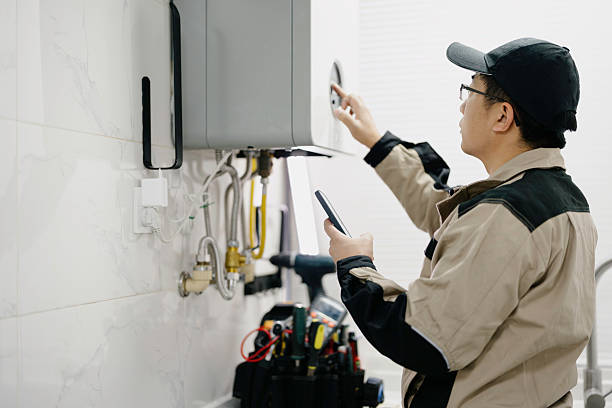
A boiler usually works quietly in the background, and many people do not think about it until something goes wrong. For small and medium sized businesses across the United States, this can become a serious problem at the wrong time, such as during winter or busy working hours. Knowing when to stop repairing and start replacing your boiler can help you save money, reduce stress, and keep your operations running without trouble. This guide explains the clear signs that show your boiler may need to be replaced instead of repaired again. It also helps you understand how boiler replacement services can improve your system performance and reduce long term costs. Why Boiler Condition Matters for Businesses A boiler is not only about comfort. It plays an important role in keeping your workplace functional and safe. When your heating system is not working properly, it can affect daily operations in many ways. Employees may feel uncomfortable, customers may not stay long, and your energy bills may increase without warning. A reliable system keeps everything running smoothly, while an old or damaged boiler can create ongoing problems. A boiler that shows small issues today can turn into a major failure tomorrow. Old Boiler That Has Crossed Its Lifespan Most boilers last between fifteen and twenty years. If your system is close to this age or older, it may not perform the way it should. Over time, parts begin to wear out, and it becomes harder to find replacements. The system may still run, but it will not work as efficiently as before. This often leads business owners to consider boiler replacement services before the system fails completely. Increasing Energy Bills Without Any Change If your heating costs are rising but your usage remains the same, your boiler may be losing efficiency. This usually happens when internal parts are worn out or when there is buildup inside the system. Older boilers require more energy to produce the same level of heat. A new boiler can reduce these costs and improve overall performance. Constant Repairs That Never End Calling a technician once in a while is normal, but frequent repairs are a clear sign of a deeper issue. If your boiler breaks down often and repair costs continue to rise, it may not be worth fixing anymore. In many cases, the money spent on repeated repairs could be used toward a new and more reliable system. Uneven Heating in Different Areas If some parts of your building feel warm while others remain cold, your boiler may not be distributing heat properly. This can happen when internal components start to fail or when pressure levels are not stable. Uneven heating can create discomfort for both employees and customers, which can affect your business environment. Unusual Sounds From the Boiler A working boiler may produce a low level of sound, but loud or strange noises should not be ignored. Sounds like banging, whistling, or gurgling often mean there is a problem inside the system. These issues may come from trapped air, buildup, or worn parts. If the noise continues, it may be time to think about a replacement. Leaks and Visible Rust Water around your boiler is a serious warning sign. Leaks and rust can damage the system and the surrounding area. If you notice water collecting near the unit or rust forming on the surface, it means the boiler is weakening. At this stage, repairs may not solve the problem for long, and boiler replacement services become a safer option. Slow Heating Performance If your boiler takes too long to heat your space, it may not be working efficiently anymore. This can happen due to blocked pathways or failing internal parts. Slow heating can affect your daily operations, especially during busy hours when consistent warmth is needed. Flame Color Change A healthy boiler flame should appear blue. If the flame turns yellow, it may indicate incomplete burning. This is not only inefficient but also dangerous because it can release harmful gases. If you notice this change, you should act quickly and get professional help. Outdated Features and Controls Older boilers do not have the advanced features that modern systems offer. New systems include better controls, improved safety features, and higher efficiency levels. Upgrading your boiler can improve your overall experience and reduce energy waste. Boiler Replacement Option for Cold U.S. Climates In colder parts of the United States, boilers need to handle long periods of heavy use. Choosing the right system is important for maintaining consistent heat. A strong and efficient boiler can perform well even during extreme weather. This is why many businesses look for the right boiler replacement option for cold U.S. climates when upgrading their systems. Select an Energy Efficient Boiler for Your Home Choosing the right boiler is just as important as deciding to replace it. You should look for a system that matches your building size and heating needs. Energy efficient models can reduce your monthly costs and provide steady performance. The phrase select an energy efficient boiler for your home is not just advice but a practical step toward better energy management. Benefits of Choosing Professional Services Working with experienced professionals ensures that your boiler is installed correctly and safely. Experts can help you choose the right size and type of system. They also make sure everything meets local standards. Reliable boiler replacement services can prevent future issues and give you long term peace of mind. Things to Consider Before Replacement Before making a final decision, it is important to review your current system condition and compare your options. Understanding the cost of repairs versus replacement can help you choose the best path. Planning ahead can also reduce downtime and keep your business running smoothly. Conclusion Are you confident that your boiler is still working in your favor, or is it slowly increasing your costs and risks without clear signs? Waiting too long can lead to sudden breakdowns and unexpected expenses. Choosing the right time to upgrade with