
Can Tree Roots Cause Sewer Line Replacement in Abington, MA?
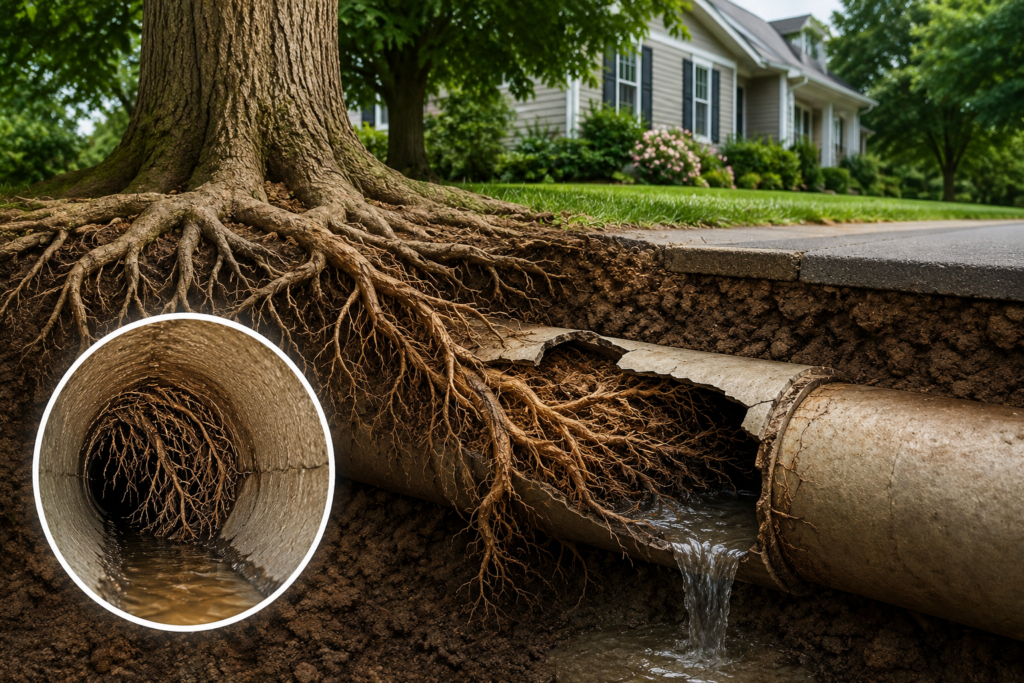
Tree roots can be a quiet problem for homeowners and businesses. You may not notice anything wrong until a drain starts moving slowly, a toilet backs up, or an unpleasant sewer smell appears. In some cases, the issue can be traced to roots growing into an underground sewer pipe. Tree roots naturally look for water and nutrients in the soil. A sewer pipe with a small crack, loose joint, or damaged connection can provide a steady source of moisture. Once roots find that opening, they can grow inside the pipe and become a much bigger problem. For property owners considering sewer line replacement in Abington MA, understanding how tree roots affect underground pipes can help you recognize trouble early and choose the right repair option. How Do Tree Roots Get Into Sewer Lines? Healthy trees can have extensive root systems. Most roots grow through the soil in search of water and nutrients. If a sewer pipe has a damaged section, roots may find their way through very small openings. The root does not usually break through a perfectly sealed pipe just because it is nearby. Instead, roots take advantage of existing weaknesses. Common entry points include: Once roots enter the pipe, they can continue growing because the sewer line provides moisture and nutrients. Over time, a small root intrusion can turn into a serious blockage. What Happens When Roots Grow Inside a Sewer Pipe? At first, the problem may be minor. Water can still move through the pipe, so you might only notice that a sink or bathtub drains more slowly than usual. As roots become larger, they can catch toilet paper, grease, hair, and other waste moving through the pipe. This creates a cycle where the blockage keeps getting worse. You may eventually notice: A single clogged drain does not always mean you have a damaged sewer line. However, repeated problems in several fixtures can point to an issue deeper in the plumbing system. Can Tree Roots Cause a Sewer Line to Break? Yes, but the process usually takes time. Roots can enter an existing crack or damaged joint and then grow inside the pipe. As the root mass becomes larger, it can restrict water flow and place additional stress on an already damaged section. In older sewer systems, roots may also take advantage of separated joints or deteriorated pipe materials. If the pipe is already weak, continued root growth can contribute to further damage. This is why removing the visible roots may not always solve the problem. The damaged section of pipe may still allow roots to return. What Are the Warning Signs of Root Intrusion? Root related sewer problems often give homeowners several warnings before a major failure occurs. One of the most common signs is a recurring blockage. You may clear a drain and find that everything works normally for a short period. Then the same problem returns weeks or months later. That pattern can suggest that something deeper is restricting the line. Other warning signs include: If several of these signs appear together, a professional inspection can help identify the cause. Can a Sewer Camera Find Tree Roots? A sewer camera inspection is one of the most useful ways to check an underground sewer line. A small camera can travel through the pipe and provide a view of its interior. A plumber can use the footage to look for roots, cracks, collapsed sections, separated joints, buildup, and other problems. This matters because digging up a sewer line without knowing where the problem is can be expensive and disruptive. A camera inspection helps identify the location and condition of the damaged section before deciding what should happen next. For property owners considering a sewer line replacement service, this type of inspection can help determine whether replacement is actually necessary or whether another repair option may work. Does Every Root Problem Require Sewer Line Replacement? No. The correct solution depends on the condition of the pipe. If the pipe is structurally sound and roots are only creating a blockage, professional root removal and cleaning may provide a temporary or long term solution. However, if the pipe is cracked, collapsed, badly deteriorated, or repeatedly invaded by roots, replacement may make more sense. A plumber should evaluate the condition of the line before recommending major work. In some cases, repairing one damaged section is enough. In other situations, replacing a larger portion of the sewer line may prevent the same problem from returning. When Is Sewer Line Replacement the Better Option? Replacement may be considered when the existing pipe has serious structural damage. Some common reasons include: A replacement provides a new section of pipe that is less likely to have the weaknesses that allowed roots to enter in the first place. The best solution depends on the age of the system, the extent of damage, property layout, and the condition of the surrounding plumbing. Can Root Removal Fix the Problem Permanently? Not always. A plumber may be able to remove roots from inside a sewer pipe using specialized equipment. This can restore water flow and provide relief from a blockage. However, if roots entered through a crack or open joint, that opening remains. New roots may eventually grow back into the pipe. This is why repeated root removal can become a cycle. If the underlying pipe damage is not addressed, the problem may return. For a property with ongoing root intrusion, a permanent repair or replacement may be a better long term approach. Can Nearby Trees Be Responsible? Trees located near a sewer line can increase the chance of root intrusion, but distance alone does not prove that a tree caused the damage. Different tree species have different root patterns. Soil conditions, moisture levels, pipe condition, and existing leaks also affect root growth. Removing a tree does not automatically repair a damaged sewer pipe. If you suspect that roots are affecting your sewer system, it is better to have the pipe inspected before deciding whether landscaping changes
How Can Heavy Rain Affect Sewer Lines in Abington, MA?
Heavy rain can cause more trouble than wet roads and standing water. It can also create serious problems underground where your sewer pipes are located. In Abington, Massachusetts, strong storms and long rainy periods happen at different times of the year. Because of this, homeowners and business owners should know how rain can affect their plumbing system. If drains become slow, bad smells start coming from pipes, or water backs up after a storm, the sewer line may be under stress. In many cases, finding the issue early can help you avoid a major repair bill later. This guide explains how heavy rain affects sewer systems, what warning signs to notice, and when to think about sewer line replacement in Abington, MA. Why Heavy Rain Causes Sewer Problems A sewer system is made to carry wastewater away from a building. During heavy rain, a lot of extra water can enter the drainage system through cracks, loose pipe joints, or older underground lines. When too much water enters the system at once, the pipes may not handle the flow properly. This can lead to slow drains, toilet problems, water coming back through floor drains, or even pipe damage underground. For business owners, one sewer problem can interrupt work, upset customers, and create cleanup costs. How Rain Can Damage Sewer Lines Wet Soil Puts Pressure on Pipes After a heavy storm, the ground becomes soaked and heavier than normal. This extra pressure pushes against sewer pipes buried below the surface. Older pipes made from outdated materials are more likely to crack or shift under that weight. Buildings that have older plumbing systems, large trees nearby, or soil movement problems may face a higher risk. In many of these cases, sewer line replacement in Abington, MA, may be the best long-term solution. Tree Roots Move Toward Moisture Tree roots naturally search for water. When the ground is wet after rain, roots often spread faster. If a sewer pipe has a small crack or weak joint, roots can enter the line and grow inside. Once roots get into the pipe, they can catch waste and paper. This creates clogs that keep returning. If toilets bubble, several drains clog at once, or backups happen after storms, roots may be the reason. Extra Water Overloads the Sewer System Sometimes stormwater enters sewer pipes where it should not be. Water may come from roof drains, basement drains, or cracked underground lines. When too much outside water enters the sewer system, wastewater may have nowhere to go. It can then move backward into sinks, tubs, toilets, or floor drains. This is one reason many property owners ask about sump pump installation in Abington, MA, to help move unwanted water away from basements and lower areas. Debris Inside Pipes Starts Blocking Flow Many sewer lines already contain grease, soap buildup, paper residue, or dirt stuck inside the pipe walls. During heavy rain, fast water movement can shift this material and push it into a tight bend or damaged area. What started as a small blockage can quickly turn into a full stoppage. Water may drain slowly at first. Later, toilets may flush poorly, and lower-level drains may overflow. Regular cleaning can help stop this type of issue. Public Sewer Problems Can Affect Private Buildings Town sewer systems manage the main lines under roads, but property owners are usually responsible for the sewer line that runs from the building to the street. That means even if the public sewer line is working, your own private line can still fail during heavy rain. Many backups happen because of problems on private property, not because of the town system. Warning Signs After Heavy Rain After a storm, watch for changes in how your plumbing works. If water stands near a basement drain, if you notice a sewage smell, or if toilets start bubbling, these may be early warning signs. Slow sinks in different rooms can also point to a main sewer issue. Wet patches in the yard above the sewer path may show that a pipe is leaking underground. If more than one problem appears at the same time, it is smart to schedule an inspection quickly. How Heavy Rain Hurts Local Businesses For local companies in Abington, sewer trouble can become a business issue very fast. If restrooms stop working, customers and staff may become frustrated. If water damage reaches products or supplies, money can be lost. Bad smells can affect the customer experience and harm the image of the business. Cleaning and repair work may also force a temporary shutdown. This means lost time and lost income. Restaurants, shops, offices, and other busy buildings should take sewer warnings seriously before storm season arrives. When Repair Is Enough and When Replacement Is Better Not every sewer problem needs a full replacement. Some issues can be fixed with cleaning or repairing a damaged section. If the pipe has only a small crack or one blockage area, repair may be enough. If the pipe keeps collapsing, backs up every rainy season, or has damage in many places, replacement may be the better choice. In these situations, sewer line replacement in Abington, MA can save money over time because it lowers repeat repair costs. How to Prevent Sewer Problems Before the Next Storm A camera inspection is one of the best ways to check the inside of a sewer line. It can show cracks, roots, standing water, or broken joints before a major backup happens. Cleaning the sewer line can remove grease and waste buildup. Redirecting rainwater away from the building can also reduce pressure on the system. Some owners choose backflow protection devices to reduce the chance of wastewater coming back indoors. Checking basement drainage is also wise, especially if water often collects near lower floors. Why Older Properties Need More Attention Many buildings in Massachusetts were built years ago. Some private sewer lines are old and may already have wear that cannot be seen from above ground. Older sewer systems were