
Should I Replace My Sump Pump Before the Next Big Storm?
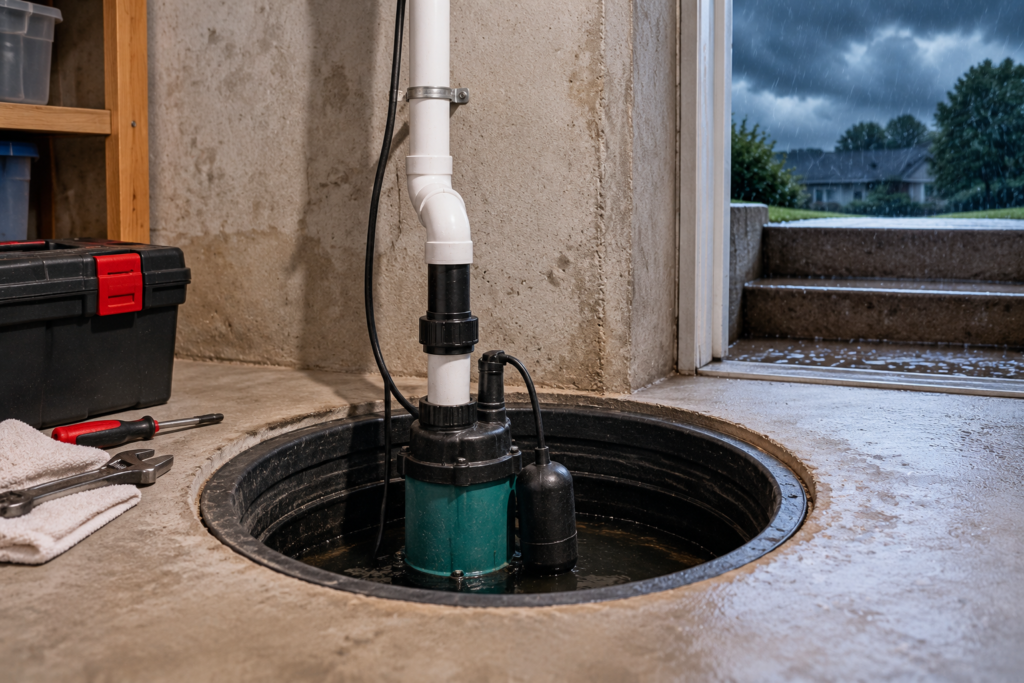
A sump pump may sit quietly in the basement for months, but its job becomes very important when heavy rain arrives. When water starts moving through the soil around your home, the sump pump collects that water and sends it away from the foundation. If the pump fails during a major storm, your basement can go from dry to flooded in a short time. This raises a common question for homeowners: should you replace the sump pump before the next big storm, or can the existing pump handle another season? The answer depends on the pump’s age, condition, performance, and ability to handle a large amount of incoming water. A pump that has already shown signs of trouble should not be ignored simply because it is still running. For homeowners considering sump pump installation in Rockland MA, checking the current system before storm season can help prevent an unpleasant surprise when the basement needs protection most. Why Does a Sump Pump Matter During Storms? Heavy rain can saturate the soil around a foundation. Once the ground holds more water than it can absorb, groundwater may move toward the lowest areas around the home. For homes with a sump pit, that water can enter the pit and activate the pump. The pump then moves water through a discharge pipe and sends it away from the foundation. If the pump is working correctly, the process may happen without you even noticing it. During a long or intense storm, though, the pump may run far more often than it normally does. That extra workload can expose problems that were not obvious during dry weather. FEMA notes that torrential rain can overwhelm a sump pump, while a power outage can also stop a pump from operating. A backup pump or backup power source can provide another layer of protection. How Old Is Your Sump Pump? Age is one of the first things to consider. Sump pumps do not last forever. The actual lifespan depends on the pump type, how often it runs, water conditions, installation quality, and maintenance. A pump that rarely operates may experience less wear than one that runs every time it rains. If you cannot remember when the pump was installed, that is a good reason to have it checked. An older pump may still turn on during a basic test but fail when it has to run continuously for several hours. That difference matters during a major storm. What Are the Warning Signs? Your sump pump may give you clues before it stops working. Listen for unusual sounds when the pump starts. Grinding, rattling, buzzing, or repeated clicking can point to a mechanical or electrical problem. Also pay attention to how quickly water leaves the sump pit. A pump that runs for a long time without lowering the water level may have a capacity problem, a blocked discharge line, or another issue. Other warning signs include: One strange noise does not always mean the pump needs replacement. Still, repeated problems deserve attention before severe weather arrives. Could the Pump Be Too Small? A pump can be in good working order and still be a poor match for the amount of water entering the sump pit. This can happen after changes to the property. For example, drainage patterns may change after landscaping work, grading changes, construction, or other modifications around the home. A pump’s capacity should match the amount of water it may need to move. Pump selection also depends on how far the water must travel and how high it must be lifted before reaching the discharge point. A professional plumber can evaluate the setup instead of choosing a pump based only on horsepower. Check the Discharge Line Sometimes the pump is not the real problem. The discharge line may be blocked, damaged, frozen, or positioned in a way that prevents water from leaving the property properly. During a storm, a restricted discharge line can cause water to build up in the sump pit even though the pump itself is running. Check the visible portion of the discharge pipe before storm season. Look for damage, loose connections, debris, or signs that water cannot leave the pipe. The discharge location also matters. Water should not simply be sent back toward the foundation. What Happens During a Power Outage? A sump pump needs electricity to operate. That creates a major concern during severe storms because heavy rain and strong winds can sometimes lead to power outages. If the electricity goes out while groundwater is entering the sump pit, the main pump may stop even though the need for pumping is increasing. A backup system can help. FEMA recommends considering a battery operated backup for sump pump protection because electrical failures can occur during flooding events. A backup pump can also be useful when the primary pump cannot keep up with the incoming water. Should You Add a Backup Pump? A backup pump can be a smart choice for homes where basement flooding would cause major damage. The backup pump normally remains inactive while the main pump handles ordinary water levels. If the main pump fails or water rises beyond a certain point, the backup system can begin working. Some systems also include alarms that notify homeowners when the water level rises or when the primary pump has a problem. This gives you a better chance of responding before water reaches finished flooring, stored belongings, electrical equipment, or other items in the basement. What About a Battery Backup? A battery backup addresses a different problem. If the main pump is healthy but the electricity fails, a battery system can provide power for a backup pump or compatible primary system. The battery itself should be checked as part of regular maintenance. A backup system is not useful if its battery is dead when the storm arrives. Homeowners should know how the system works and understand how long the backup can operate under expected conditions. Should I Test My Pump Before a Storm? Yes.