
What Causes Low Water Pressure in a Tankless Water Heater?
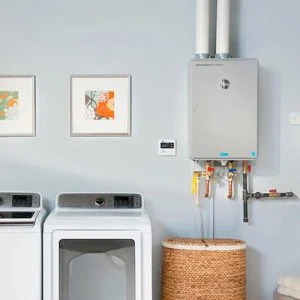
Tankless water heaters are very popular across the United States because they save energy and give endless hot water. They work differently from old-style water heaters with storage tanks. A tankless unit heats water only when you open the tap, so you get hot water right away. Even though they are efficient, some people face problems with low water pressure. This issue can be frustrating for homes and businesses, especially in busy places like restaurants, offices, or stores. If the water pressure is weak, it affects how well your heater works. To fix it, it helps to understand what causes it and when to call a professional for tankless water heater repair. How Water Pressure Works in a Tankless System A tankless water heater depends on steady water flow. It heats water while it moves through the unit. If the pressure drops, water flow slows down, and the heater struggles to keep up. You may get an uneven temperature or the heater might even shut down. Low water pressure does not always mean the heater is broken. Sometimes, the plumbing system or the water supply outside the unit causes the issue. Main Reasons for Low Water Pressure in Tankless Heaters 1. Buildup of Minerals and Scale Hard water is a common problem in many areas. Over time, minerals like calcium and magnesium collect inside pipes and heater parts. This buildup makes it hard for water to pass through, which lowers pressure. If the heater is not cleaned regularly, scale forms in the heat exchanger and inside the pipes. This not only reduces flow but can also damage the heater. Regular tankless water heater maintenance service can help stop this issue before it gets worse. 2. Clogged Inlet Filter Every tankless unit has a small filter at the inlet. This filter catches dirt or small particles before water enters the heater. When it becomes dirty or blocked, the flow of water drops. Many business owners overlook this small part, but cleaning it regularly can quickly fix pressure problems. 3. Partially Closed or Faulty Valves Water supply valves control how much water enters the plumbing system. If any valve is not fully open, water cannot flow freely. Sometimes, valves get turned off during maintenance or repair work and are not opened completely afterward. Checking and opening them properly often solves the problem right away. 4. Problems with the Pressure Regulator A pressure regulator controls how much water pressure enters your plumbing system. If it gets old, damaged, or adjusted too low, your entire building may experience weak pressure. Replacing or adjusting this part usually needs a technician who understands tankless water heater repair. 5. Low Supply from the City Water Line Sometimes, the problem comes from the main city water supply. During busy hours, the water line may not deliver enough pressure to your property. This situation is common in large buildings or commercial areas. Even if your heater works perfectly, it will not heat properly when the incoming pressure is too low. 6. Old or Damaged Plumbing Lines Pipes that are too small, old, or corroded can block water flow before it reaches the heater. Rust and sediment can build up inside pipes and make pressure drop. If your building is old, you might need a plumber to inspect and replace sections of your plumbing system. 7. Pressure Drop After Cleaning or Service Sometimes, after a cleaning or descaling service, water pressure stays low because a valve was left closed or debris moved into another part of the system. It’s a good idea to check every valve and flush the system after maintenance. How Low Pressure Affects Your Tankless Heater Low water pressure causes more than inconvenience. It affects how the heater performs and can create long-term issues. First, it can make the heater produce uneven water temperature. Tankless systems need a steady water flow to heat properly. Second, it adds extra stress on internal parts. The sensors and heating elements must work harder to keep the temperature steady, which can lead to wear and tear. Third, it affects user experience. If customers or employees can’t get enough hot water, it can cause complaints and interruptions, especially in restaurants, salons, or offices. How to Check and Fix Low Water Pressure Simple Steps You Can Try You can try a few things before calling a professional. Check the faucets and showerheads. Sometimes the problem is dirt or sediment in the aerators. Clean them to see if pressure improves. Look at the main water valve. Make sure it’s open completely. Inspect the inlet filter. Clean or replace it if it looks dirty. Test the pressure at other taps. If all taps have low pressure, it might be a supply issue rather than the heater itself. When to Call for Professional Tankless Water Heater Repair If you’ve tried these simple steps and the pressure is still low, it’s time to call a technician. A professional plumber can: • Check the water pressure across your entire system• Inspect valves, regulators, and filters• Clean or flush the heat exchanger• Perform necessary water heater element replacement if parts are worn out Professional help ensures your heater runs safely and efficiently without risking more damage. Tips to Prevent Future Pressure Problems To keep your system running smoothly, follow these easy maintenance steps: • Schedule a tankless water heater maintenance service once every year.• Install a water softener if your area has hard water.• Inspect and clean faucet aerators every few months.• Make sure all valves stay fully open after any repair or cleaning.• Replace old or rusty pipes before they restrict flow. Conclusion Do you notice your water flow getting weaker every day? It could be a sign that your system needs attention. Low water pressure can happen because of blockages, valve issues, or scale buildup. Ignoring it can cause long-term damage and higher energy bills. Getting professional help for tankless water heater repair is the best way to restore performance. Regular tankless water heater maintenance service
How Smart Diagnostics in Tankless Water Heaters Can Predict Failures?

Reliable hot water is something most business owners only notice when it suddenly stops working. In the United States, unexpected water heater problems can slow daily operations and lead to costly service calls. Modern systems now include smart diagnostics that help detect issues early and reduce the need for urgent tankless water heater repair. This article explains how these systems work, why they matter to businesses, and how they support long term system care. What Are Smart Diagnostics in Tankless Water Heaters? Smart diagnostics are built in digital features found in newer tankless systems. These features use sensors and internal software to track how the unit operates during daily use. The system watches for changes in temperature control, water flow, energy use, and component performance. Unlike older systems that only show problems after failure, smart diagnostics work continuously. When something begins to operate outside its normal range, the system records the behavior and alerts technicians. This makes tankless water heater repair more proactive instead of reactive. Why Early Detection Matters for Businesses Businesses that depend on hot water such as restaurants, hotels, medical offices, and service facilities cannot afford downtime. Smart diagnostics help owners stay ahead of problems before service is interrupted. Spotting minor issues early Small changes in temperature stability or performance often appear weeks before a breakdown. Smart diagnostics identify these changes early. Reducing emergency service calls By catching issues in advance, scheduled tankless water heater repair becomes possible. This avoids high emergency service costs. Better system planning For businesses managing multiple properties, diagnostics help decide which systems need attention first. This extends equipment life and supports smarter budgeting. How Smart Diagnostics Predict System Failures Continuous system tracking The heater constantly monitors internal activity including water flow levels, heating cycles, and energy draw. When readings differ from normal behavior, the system flags the issue. Pattern recognition over time The system learns how the unit normally performs during busy and slow periods. When patterns shift, the system identifies potential future failures. Automatic alerts Many systems send notifications directly to technicians or business owners. Alerts allow repairs to be scheduled before performance drops. This approach helps keep tankless water heater maintenance consistent and effective. Common Problems Smart Diagnostics Can Identify These insights help technicians perform precise tankless water heater repair instead of unnecessary part replacement. How Smart Diagnostics Improve Maintenance Results Smart diagnostics make routine service more accurate. Technicians can review system data before arriving, allowing them to focus on real issues instead of guesswork. Regular tankless water heater maintenance often includes internal cleaning, system flushing, sensor checks, and performance testing. Diagnostics confirm when these steps are needed, helping systems operate efficiently for longer periods. Using Diagnostic Data to Make Better Business Decisions For companies that rely on steady hot water, these advantages support smoother operations and customer satisfaction. Long Term Cost Benefits of Smart Diagnostics While systems with smart diagnostics may cost more initially, they often save money over time. When paired with professional tankless water heater installation service, smart diagnostics deliver long term value for business owners. Conclusion Have you ever wished you could fix a problem before it disrupted your business? Smart diagnostics make that possible by providing early warnings and clearer maintenance planning. When combined with professional service and regular tankless water heater maintenance, these systems help businesses avoid costly surprises. For dependable tankless water heater repair service, Steel Hill Plumbing & Heating is trusted by local businesses for their experience, timely service, and understanding of modern water heating technology. Their team also supports proper system setup through expert tankless water heater installation service, ensuring long term reliability. Contact US today to protect your water heating system and keep your business running without interruption. Frequently Asked Questions What does smart diagnostic technology monitor It tracks system behavior including temperature stability, flow performance, and energy use. Can smart diagnostics prevent every failure No system can prevent all problems, but it significantly reduces unexpected breakdowns. Do alerts require professional review Yes trained technicians interpret alerts and determine if tankless water heater repair is needed. Do diagnostics affect warranties Most manufacturers support diagnostic monitoring as it encourages proper maintenance. Can older systems use smart diagnostics Some older units allow upgrades, but full benefits come with newer systems.
Why is my Water Heater Leaking? Quick Fixes and Prevention Tips
If you notice water pooling around your water heater, it can be worrying. Leaks can range from tiny drips to steady streams that might damage your floor or walls. Many small and medium-sized business owners in Rockland face this issue. Understanding the causes of leaks and taking the right steps for water heater maintenance can save money, prevent damage, and extend the life of your heater. This guide explains why water heaters leak, what you can do immediately, and how to prevent problems in the future. We will also touch on professional help for tankless water heater repair when needed. Why Water Heaters Leak Knowing why your water heater is leaking helps you decide if it can be fixed at home or if professional help is needed. Common reasons include Loose or Worn Pipe Connections Pipes connected to your heater can become loose over time. Temperature changes, vibrations, or poor installation can make seals fail. Even a small misalignment can lead to dripping. Leaking Pressure Relief Valve Water heaters have a safety valve called the TPR valve. It releases water if pressure builds up inside the tank. If this valve fails or is stuck, it can leak continuously. Drain Valve Problems The drain valve at the bottom of the tank can leak if it is not fully closed after maintenance or if the valve becomes worn. Internal Tank Damage Over time, tanks can rust or corrode from minerals in the water. This can cause leaks, usually near the bottom of the tank. High Water Pressure or Thermal Expansion If your water supply has high pressure or there is no expansion tank, heating water can increase pressure inside the tank. This can cause leaks around valves and joints. Lack of Regular Maintenance Neglecting routine maintenance can cause slow damage. Weak points like seals, valves, and connections may fail over time. Quick Fixes You Can Try Some leaks are small and can be fixed without calling a professional. Here are some steps to follow Even simple steps like tightening connections or flushing the tank can prevent small leaks from turning into bigger problems. When to Call a Professional Sometimes leaks require professional attention, especially if you are not comfortable with plumbing or working around electricity or gas. Call a plumber when A professional can also handle hot water elements replacement or tankless water heater repair safely. How to Prevent Water Heater Leaks Preventing leaks is easier than fixing them. Following these steps can keep your system running smoothly Regular water heater maintenance protects your business from costly repairs and keeps hot water available when you need it. Tankless Water Heaters Tankless water heaters provide hot water on demand and are becoming more popular for businesses. Leaks in these systems may appear differently and require professional handling. Tankless water heater repair should be done by experienced plumbers to ensure proper operation. Even with tankless systems, it is important to check pipe connections, valves, and water pressure regularly. This keeps the heater efficient and prevents unexpected leaks. Conclusion Are you unsure whether a leak under your water heater is serious? Don’t wait to find out. Small leaks can become big problems quickly, causing property damage and interruptions, especially for businesses that rely on hot water. For safe and reliable service, including hot water element replacement, complete tank inspections, or tankless water heater repair, contact professionals you can trust. Steel Hill Plumbing & Heating provides excellent water heater repair and replacement services. Their team can handle traditional tank systems and modern tankless units efficiently. Frequently Asked Questions Why does my water heater leak only when it is heating water? Small drips from the TPR valve can happen, but continuous leaks usually mean a faulty valve or internal problem. Will flushing the tank stop a leak? Flushing removes sediment that can corrode the tank. It does not fix cracks or rusted areas inside the tank. How often should I inspect my water heater? Once a year is recommended. If you have hard water or high usage, inspections should be more frequent. Are leaks covered by warranty? It depends on the manufacturer, age of the unit, and cause of the leak. Regular maintenance improves your chances of warranty coverage. Can I ignore a small leak? Even small drips can lead to serious damage over time. Ignoring a leak increases repair costs and risks water damage.