
Why Is My Tankless Water Heater Not Producing Enough Hot Water?
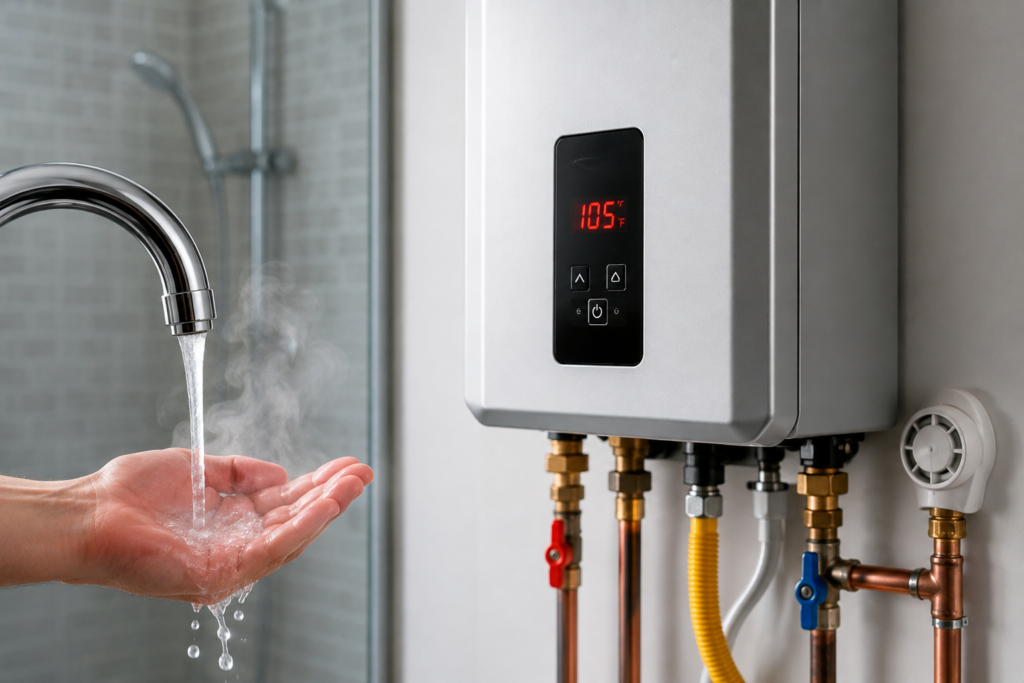
A tankless water heater is designed to heat water as you need it. Unlike a traditional tank unit, it does not keep a large supply of hot water stored inside. This can save space and may improve energy efficiency. Still, a tankless system can sometimes fail to provide enough hot water when you need it. You may notice lukewarm water during a shower, water that turns cold when another faucet is opened, or a system that takes longer than expected to reach the desired temperature. These problems can be frustrating, especially when the unit is relatively new. There are several possible reasons for this issue. The problem may come from water flow, temperature settings, mineral buildup, an undersized unit, or an issue with the plumbing system. If you are considering tankless water heater installation in Abington MA, knowing what can affect hot water performance can help you make better decisions about installation, maintenance, and repairs. Is Your Tankless Heater Too Small? One of the first things to consider is the size of the unit. A tankless water heater has a maximum flow rate. This means it can only heat a certain amount of water at one time. If several fixtures are using hot water together, the heater may struggle to keep up. For example, a home may have a shower running while someone uses the kitchen sink and a washing machine at the same time. Each fixture adds to the total water demand. If the heater cannot handle the combined flow, the water temperature may drop. This does not always mean the heater is defective. It may simply be too small for the household’s peak demand. What Is the Flow Rate? Flow rate refers to how much water moves through the system at a given time. Tankless heaters are often rated by gallons per minute. Different fixtures use different amounts of water, so the total demand matters when choosing a unit. A basic example could include: If multiple fixtures operate at once, the total demand can quickly increase. This is why professional sizing is important before purchasing a new system. Could the Temperature Setting Be Too Low? Sometimes the problem is as simple as the temperature setting. If the unit is set to a lower temperature, the water may feel lukewarm when you expect it to be hotter. However, increasing the temperature without checking the system can create a scalding risk. It is better to follow the manufacturer’s recommendations and have a professional check the settings if you are unsure. The temperature setting should also match the needs of the household. A system serving a larger family may require a different setup than one serving a single person. Can Cold Groundwater Affect Performance? Yes. The temperature of incoming water affects how much work a tankless heater must do. During colder months, groundwater entering the home can be much colder than it is during warmer weather. The heater then has to raise that water to the desired temperature. This can reduce the amount of hot water the system can produce at a given flow rate. For properties in Massachusetts, seasonal changes can make this more noticeable. A unit that seems to perform well during summer may feel less powerful during colder weather if it is operating close to its maximum capacity. Could Mineral Buildup Be the Problem? Minerals in water can collect inside parts of a tankless water heater over time. This buildup can affect the heat exchanger and reduce system performance. Hard water can make this problem more noticeable. A heater with mineral deposits may take longer to heat water or may struggle to maintain the selected temperature. Regular maintenance can help reduce these problems. If the system has not been maintained according to the manufacturer’s recommendations, a professional inspection may be worthwhile. Does Your Home Have Hard Water? Water quality can affect plumbing equipment. Hard water contains minerals such as calcium and magnesium. These minerals can form deposits inside pipes, fixtures, and heating equipment. If your home has ongoing hard water concerns, you may also want to look into water filtration system installation in Abington MA. A suitable filtration or water treatment setup can improve water quality and may help protect plumbing equipment from certain water related issues. The right system depends on the actual water conditions at the property, so testing the water first is a smart step. Could Low Water Pressure Cause the Problem? Water pressure can also affect how your system operates. If pressure is unusually low, fixtures may not receive enough water. On the other hand, changes in water flow can affect how a tankless unit activates and responds. If multiple fixtures have recently developed weak water pressure, the issue may not be the water heater at all. Possible causes can include plumbing restrictions, a partially closed valve, clogged fixtures, or other problems within the water supply system. A professional can check the system and determine where the pressure problem begins. Why Does Hot Water Turn Cold During a Shower? This is one of the most frustrating problems with a tankless system. If the water starts hot and then becomes cold, several things could be happening. The heater may be struggling with flow demand. There could be mineral buildup. The temperature sensor may not be working correctly. There may also be an issue with the gas supply, electrical components, or water flow sensor. A sudden temperature change should not automatically be blamed on the heater itself. The complete system should be checked before replacing the unit. Can Multiple Fixtures Overload the Heater? Yes. One major advantage of tankless heating is continuous hot water, but continuous does not mean unlimited. The heater still has a maximum output. If two or three showers are running at the same time, the system may not have enough capacity to heat all of that water to the selected temperature. This is particularly important for larger households. During tankless water heater installation service, the expected hot water demand should be
How to Increase Water Pressure with a Tankless Water Heater?
Low water pressure can make simple daily work feel frustrating. It can slow down washing, cleaning, or running a business space. Many people in the United States choose tankless systems because they save energy and provide hot water on demand. Still, one common question comes up again and again. Can a tankless system help improve water pressure The answer is yes in many cases, but only when the system is set up correctly and cared for on a regular basis. This guide explains how you can improve pressure, avoid common problems, and keep your system working smoothly with the help of tankless water heater maintenance service. How Tankless Water Heaters Work with Water Pressure A tankless unit heats water only when you need it. It does not store water like a traditional tank. Because of this, it does not create pressure on its own. The pressure depends on your plumbing system and water supply. If the system is not maintained or is not the right size, it can slow down water flow. This can feel like low pressure even if the main issue is something else. Some common reasons behind low pressure include mineral buildup, blocked filters, wrong pipe size, or too many fixtures running at the same time. Regular tankless water heater maintenance service helps avoid these problems and keeps the system working as expected. Signs That Your System Needs Maintenance Before trying to fix the issue, it is important to notice early warning signs. These signs show that your system may not be working at its best. You may see a drop in water flow when more than one tap is open. Hot water may take longer to arrive. The temperature may change without warning. You might also hear strange sounds from the unit. If you notice these issues, it is a good idea to schedule a tankless water heater maintenance service or look into tankless water heater repair before the problem gets worse. Ways to Improve Water Pressure Clean the Inlet Filter Every tankless unit has a small filter that catches dirt and debris. Over time, this filter can get blocked and reduce water flow. Turn off the water supply first. Remove the filter carefully and rinse it with clean water. Once it is clean, put it back and test the flow again. This is a simple task, but it plays an important role in any tankless water heater maintenance service. Flush the System to Remove Buildup In many areas, water contains minerals that collect inside the system. This buildup can block the flow of water and reduce pressure. Flushing the system removes this buildup and helps restore normal flow. Most systems need flushing once or twice a year depending on water quality. Check the Pipe Size The size of your pipes has a big effect on water pressure. If the pipes are too small, water cannot move freely through the system. Older buildings often have narrow pipes that were not designed for modern systems. Upgrading pipes can improve flow and support better performance. This step is often done along with water heater repair & replacement when systems are upgraded. Install a Booster Pump If your overall water supply pressure is low, a booster pump can help. It increases the pressure before water reaches your fixtures. This is especially helpful for businesses or buildings with high water use. When paired with regular tankless water heater maintenance service, it can provide steady and reliable flow. Upgrade to the Right System Size Every tankless unit has a limit on how much water it can heat at one time. If your demand is higher than the system can handle, pressure may drop. For example, running showers, sinks, and appliances at the same time can push the system beyond its limit. Upgrading to a higher capacity unit can solve this problem. A professional tankless water heater maintenance service can help you choose the right size. Look for Hidden Leaks Leaks in your plumbing system can reduce water pressure. Even small leaks can affect performance over time. Check for wet areas, rising water bills, or unusual smells. Fixing leaks can improve pressure and prevent further damage. Leak repairs are often part of tankless water heater repair and ongoing tankless water heater maintenance service. Maintain Steady Water Supply Pressure Your tankless system depends on the pressure coming from your main water supply. If that pressure is low, the system cannot work properly. You can install a pressure regulator or booster system to fix this issue. A professional tankless water heater maintenance service can test your supply and suggest the right solution. Simple Maintenance Checklist Keeping your system in good condition does not have to be complicated. A few regular steps can make a big difference. Flush the system at least once a year. Clean the inlet filter every few months. Check pipes and valves for any signs of damage. Keep an eye on water quality and mineral levels. Watch how the system performs during daily use. Following this routine with the help of a trusted tankless water heater maintenance service will help maintain strong water pressure. When You Should Call a Professional Some problems cannot be fixed with simple steps. In those cases, professional help is the best option. You should call an expert if water pressure drops suddenly or the unit stops working often. If the temperature keeps changing or you hear unusual sounds, it is time to get help. A trained technician providing tankless water heater maintenance service can find the root cause and fix it safely. Benefits of Regular Maintenance Taking care of your system has many advantages. It helps maintain good water pressure and keeps the system running longer. It also reduces energy use and lowers the risk of sudden breakdowns. For businesses, this means fewer interruptions and better service for customers. Regular tankless water heater maintenance service is a smart way to protect your investment. Tips for Business Owners If you manage a business or multiple properties,
Why Does My Tankless Water Heater Keep Turning Cold During a Shower?
A warm shower is something most people look forward to every day. It helps you relax and start or end the day comfortably. But if your tankless water heater suddenly turns cold during a shower, it can quickly ruin the experience. Many homeowners and property managers in the United States deal with this problem at some point. Tankless systems work differently from traditional water heaters. Instead of storing hot water in a tank, they heat water only when it is needed. This design saves space and energy, which is why many homes and businesses prefer them today. However, this type of system also depends on the right water flow, pressure, and regular maintenance. When something interrupts the heating process, the water temperature may suddenly drop. In many situations, the problem can be solved through professional tankless water heater repair or routine servicing. Understanding why this happens can help you fix the issue faster and prevent it in the future. How Tankless Water Heaters Work Before looking at the reasons behind temperature changes, it is helpful to understand how tankless water heaters operate. A tankless water heater begins heating water only when water starts flowing through the system. Sensors inside the unit detect the water movement and activate heating elements or a gas burner. The water then passes through a heat exchanger, where it is instantly heated before reaching your faucet or shower. Once the water flow stops, the system also stops heating. Because the heater only works when water moves through it, any change in water pressure or flow can affect the temperature. When parts inside the system wear out or become blocked, you may start noticing cold water during showers. In these cases, professional tankless water heater repair often becomes necessary. Understanding the Cold Water Sandwich Effect One reason for sudden cold water is something known as the cold water sandwich effect. This happens when hot water is briefly interrupted by a burst of cold water before the heater begins warming it again. This situation often occurs when hot water is used in different parts of the building close together. For example, if someone uses hot water in the kitchen and then turns it off, the heater stops running. When another person starts a shower soon after, the water already inside the pipes may be cold before the heater restarts and produces hot water again. While this situation does not always mean there is a serious issue, frequent temperature changes may indicate that your system needs tankless water heater repair or adjustments. Common Reasons Your Tankless Water Heater Turns Cold There are several common reasons why a tankless water heater might stop producing hot water during a shower. Many of these problems can be solved with proper inspection and tankless water heater maintenance service. Mineral Buildup Inside the Heater Water in many parts of the United States contains minerals such as calcium and magnesium. Over time, these minerals collect inside the heat exchanger of a tankless water heater. This buildup is often called scale. When scale forms inside the system, it can block heat transfer and reduce the heater’s efficiency. As a result, the heater may struggle to keep the water temperature stable. Signs of mineral buildup may include changing water temperature, reduced water pressure, or unusual noises coming from the unit. Regular flushing and cleaning during a tankless water heater maintenance service helps remove these deposits and keep the heater working properly. When buildup becomes severe, a technician may recommend professional tankless water heater repair. Low Water Flow Tankless systems need a certain level of water flow in order to activate the heating process. If the flow becomes too low, the heater may shut off temporarily. Low flow can happen for several reasons. A clogged showerhead can restrict water movement. Faucet aerators may collect debris or mineral deposits. Valves in the plumbing system might also be partially closed. When water flow drops below the required level, the heater may stop heating and the water may turn cold. Cleaning fixtures often fixes the problem. However, if the issue continues, professional tankless water heater repair may be required. Mixing Between Hot and Cold Water Lines Another possible cause is a plumbing crossover. This happens when cold water accidentally mixes with hot water somewhere in the plumbing system. This mixing may happen because of damaged faucet cartridges, faulty mixing valves, or incorrect plumbing connections. When hot and cold water mix together before reaching the shower, the temperature becomes unstable. The water may feel warm for a moment and then suddenly turn cold. A licensed plumber can inspect the plumbing system and correct the issue during a tankless water heater repair service. Too Many Fixtures Using Hot Water Tankless water heaters are designed to heat a certain amount of water at one time. Each system has a maximum capacity that determines how many gallons of hot water it can produce every minute. If several fixtures use hot water at the same time, the heater may struggle to keep up with demand. For example, if someone is showering while another person runs a dishwasher or washing machine, the system may not be able to supply enough hot water. When the demand becomes too high, the water temperature may drop or turn cold. In these cases, a plumber may recommend installing a larger unit, adding another heater, or scheduling a tankless water heater maintenance service to improve performance. Sensor or Ignition Issues Modern tankless water heaters rely on sensors and electronic components to control the heating process. These sensors monitor water flow and temperature so the system can adjust heating levels. If these sensors become dirty or damaged, they may send incorrect signals to the heater. This can cause the burner or heating elements to stop working unexpectedly. When this happens, the water temperature may suddenly change during a shower. Professional tankless water heater repair usually includes checking these sensors and replacing faulty components if needed. Gas Supply or Electrical Problems Gas-powered tankless