
Why Is My New Water Heater Running Out of Hot Water So Quickly?
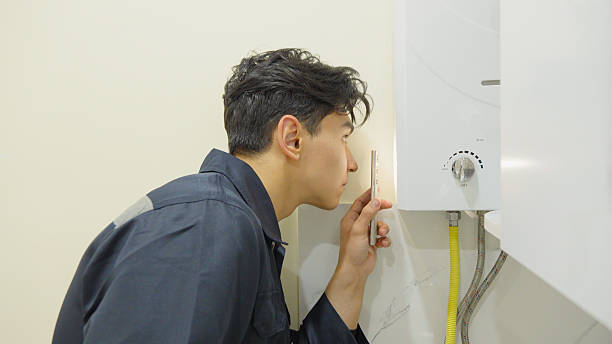
Installing a new water heater should give you a steady supply of hot water. That is why it can be frustrating when the hot water disappears much sooner than expected. Many homeowners believe the new unit is defective, but that is not always the case. The problem could be related to the size of the water heater, the installation process, your household’s water usage, or another issue within the plumbing system. If your family runs out of hot water after only a short time, it is a good idea to find the cause as soon as possible. Understanding what affects your water heater can help you avoid unnecessary repairs and improve its performance. If you are planning a water heater installation in Braintree MA, knowing these common causes can help you choose the right system for your property. Is It Normal for a New Water Heater to Run Out of Hot Water? A new water heater should provide dependable hot water for your daily needs. However, several factors can make it seem like the hot water is running out faster than it should. Some of the most common reasons include: Many of these problems can be identified during a professional inspection. In some cases, the water heater is working properly, but another plumbing issue is reducing the available hot water. Choosing the Right Water Heater Size One of the biggest reasons homeowners run out of hot water is choosing a unit that does not match their daily needs. Every household uses a different amount of hot water. A larger family usually needs a larger water heater than a home with only one or two occupants. When selecting a water heater, professionals usually consider: Choosing the correct size helps your water heater provide enough hot water throughout the day without running out too quickly. High Hot Water Usage Can Empty the Tank Faster Sometimes the water heater is working exactly as it should, but too many fixtures are using hot water at the same time. For example, your hot water may disappear quickly if: When several appliances and fixtures need hot water together, the tank empties more quickly and needs time to heat another supply. Thermostat Settings May Need Adjustment Most new water heaters leave the factory with standard temperature settings. If the thermostat is set too low, your water may not stay hot long enough to meet your household’s needs. A licensed plumber can safely check the settings and adjust them if necessary. It is important not to increase the temperature too much because water that is too hot can increase the risk of burns. Mineral Buildup Can Reduce Performance Although mineral buildup is more common in older water heaters, homes with hard water may notice this issue sooner. Mineral deposits inside the tank can: Regular maintenance helps keep the inside of the tank clean and allows the system to perform more efficiently. Heating Elements May Not Be Working Correctly Electric water heaters normally contain two heating elements. If one stops working, the system may still produce hot water, but the supply may disappear much faster than expected. Common signs include: A professional plumber can test both heating elements and replace a faulty one if needed. Gas Water Heaters Can Experience Burner Problems Gas water heaters depend on a properly working burner to heat water. If the burner is not operating correctly, you may notice: Gas appliances should always be inspected and repaired by trained professionals to ensure safe operation. Why Professional Installation Matters A new water heater can only perform well when it is installed correctly. Even a high quality unit may struggle to provide enough hot water if the installation is not completed properly. Professional water heater installation services help make sure that every part of the system is connected correctly. This includes the water lines, electrical or gas connections, pressure settings, and safety features. Proper installation also follows the manufacturer’s recommendations, which helps the system perform as expected and may protect the warranty. Could Your Plumbing System Be Causing the Problem? Sometimes the water heater is not the real reason for the shortage of hot water. Other plumbing issues can reduce the amount of hot water available throughout your home. Some common problems include: A complete plumbing inspection helps identify these issues before they become larger and more expensive problems. Should You Choose a Tankless Water Heater? Many homeowners are now considering tankless water heater installation in Braintree MA because these systems heat water only when it is needed instead of storing hot water inside a tank. Some benefits include: Choosing the correct size is still important. A professional plumber can recommend a system that matches your household’s daily water usage. Regular Maintenance Helps Your Water Heater Last Longer Routine maintenance keeps your water heater operating efficiently and helps prevent many common problems. Professional maintenance may include: Scheduling maintenance once each year can improve performance and help your system provide reliable hot water for many years. When Should You Call a Professional? If you notice any of these warning signs, it is a good idea to schedule an inspection. Finding the cause early may prevent more expensive repairs later. Simple Ways to Make Hot Water Last Longer You can often improve the amount of available hot water by making a few simple changes. These simple habits can help your water heater perform more efficiently. Conclusion Why is your new water heater running out of hot water so quickly? The answer may be related to the size of the unit, the quality of the installation, your household’s water usage, thermostat settings, or another issue within the plumbing system. Finding the real cause early can help prevent unnecessary repairs and improve the overall performance of your water heater. Choosing professional water heater installation services and scheduling regular maintenance are smart ways to keep your system working efficiently for years to come. If you are looking for experienced professionals, Steel Hill Plumbing and Heating is known for providing dependable
Why does my Water Heater Produce Rusty or Smelly Water?
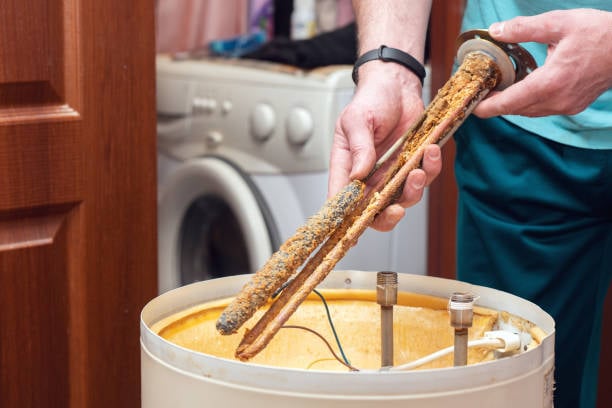
Hot water should always look clean and smell normal. When the water from your tap starts looking brown, orange, or gives off a strange smell, it usually means there is a problem inside the water heater system. Many homeowners and businesses in Massachusetts face this issue, especially in older properties where plumbing systems have been in use for many years. Rust colored water or unpleasant smells can create problems in daily life. It can affect comfort at home and also create a poor experience for customers in business locations. Restaurants, offices, salons, and retail stores all depend on clean and reliable hot water every day. Ignoring these warning signs may lead to larger plumbing problems and expensive repairs later. Learning about the causes behind rusty or smelly water can help you fix the issue before it becomes serious. In this guide, we will explain the common reasons behind these problems, possible solutions, and when you should contact a professional for water heater installation in Rockland, MA. What Causes Rusty Water From a Water Heater? Rusty water usually appears brown, orange, or reddish in color. In many situations, the discoloration only appears when using hot water taps, which often means the water heater is the main source of the issue. One common reason is corrosion inside the water heater tank. Traditional water heaters store water in a metal tank for long periods. As the system becomes older, the inner lining may begin wearing down. Once this protective layer weakens, rust can start forming inside the tank. You may notice signs such as brown water from hot taps, metallic taste in water, small rust particles, or leaks around the heater. When corrosion reaches the tank itself, replacing the unit is often the best option because repairs may only provide temporary relief. Another common reason is a damaged anode rod. Most water heaters contain an anode rod designed to attract corrosive minerals and protect the tank from rust. Over time, this rod wears out and loses its ability to protect the system. When the anode rod becomes weak or damaged, the tank may begin corroding. Homeowners often notice rusty water, unpleasant smells, or reduced water heater performance. Replacing the anode rod early can sometimes prevent major damage and extend the lifespan of the system. Many plumbing experts recommend regular maintenance because it helps water heaters operate more efficiently and reduces long term wear. Why Does Hot Water Smell Bad? A strong smell coming from hot water is another common problem. In most cases, the odor smells similar to sulfur or rotten eggs. This issue can make daily tasks uncomfortable and may also affect businesses that rely on clean water for employees and customers. One possible cause is bacteria growth inside the tank. Water heaters create warm conditions that allow bacteria to grow, especially when the water temperature is set too low. These bacteria react with sulfur found in water and produce the unpleasant smell. This issue is more common when the heater is used less frequently, when water sits inside the tank for long periods, or when the property uses well water. Low water temperature settings can also increase the chance of bacterial growth. Another reason for bad smells is the reaction between minerals in the water and the anode rod. In some situations, the magnesium rod inside the heater reacts with minerals and creates hydrogen sulfide gas, which produces the rotten egg odor. Plumbers often solve this issue by replacing the old rod with a different material such as aluminum or zinc. Sediment build up inside the tank can also create unpleasant smells. Minerals naturally present in water slowly settle at the bottom of the heater over time. This sediment can trap bacteria and create odors inside the system. Sediment accumulation may also cause popping noises, uneven heating, reduced efficiency, and higher utility costs. Flushing the tank regularly can help remove debris and improve water heater performance. Signs Your Water Heater Needs Attention Many people ignore small water heater problems until the system stops working completely. Paying attention to warning signs early can help prevent costly repairs and water damage. Some common signs include brown or rusty water, rotten egg smells, unusual sounds from the tank, reduced water pressure, inconsistent water temperature, or visible leaks around the unit. If multiple issues appear at the same time, it is a good idea to contact a professional plumber for an inspection. How Hard Water Affects Water Heaters Many homes and businesses in Massachusetts experience hard water conditions. Hard water contains minerals such as calcium and magnesium that collect inside plumbing systems and water heaters. Over time, these minerals create scale inside the tank. This build up reduces efficiency and forces the heater to work harder. As a result, property owners may notice slower heating, increased utility bills, reduced equipment lifespan, and more sediment inside the tank. Businesses that use large amounts of hot water every day may experience these problems sooner than residential properties. Scheduling annual inspections can help identify mineral build up before serious damage develops. Can Rusty Water Be Dangerous? Rusty water is not always considered a major health risk, but it should never be ignored. Discolored water may stain sinks, tubs, laundry, and appliances. It can also damage plumbing fixtures over time. For businesses such as restaurants, salons, hotels, and healthcare facilities, poor water quality can negatively affect customer trust and daily operations. If rusty water continues for several days, it is important to contact a plumbing professional for proper inspection and repair. How Professionals Diagnose Water Heater Problems Experienced plumbers use several methods to identify the exact source of rusty or smelly water. The inspection process often includes checking the age of the water heater, examining the anode rod, testing water quality, looking for pipe corrosion, flushing sediment from the tank, and inspecting heating components. These steps help professionals decide whether repairs are possible or if replacing the unit would be more practical and cost effective. When Should You
What is the Average Lifespan of a Water Heater in Rockland, MA Homes?

If you live or run a business in Rockland, MA, one common question is how long a water heater will last. The answer depends on the type of water heater, how it is installed, and how well it is maintained. Local factors like water quality and usage patterns also play an important role. This guide will explain the average lifespan of different water heaters, the signs that a system is wearing out, and tips for choosing the right water heater installation in Rockland, MA. You will also learn how tankless water heater installation in Rockland, MA can make a difference for your home or business. How Long Do Water Heaters Usually Last? Different water heater types have different life expectancies. Traditional tank water heaters usually last between 8 and 12 years. Electric water heaters can last slightly longer, up to 10 to 15 years because they do not face the same wear from combustion. Tankless water heaters, on the other hand, can last 15 to 20 years or more because they only heat water when it is needed and are less prone to corrosion. Traditional tank systems are simple and effective but tend to wear out faster. Electric tanks last a little longer because they avoid the stress of burning fuel. Tankless water heaters offer the longest life and are ideal for people looking for long-term savings and efficiency. Understanding these ranges can help you plan for replacement and avoid unexpected breakdowns while ensuring smooth water heater installation in Rockland, MA. Why Lifespan Matters for Rockland Homes and Businesses In Rockland, MA, water heaters face specific challenges. Mineral content in water varies by location, winters are cold, and households or businesses may have high hot water demands. These conditions affect how hard a water heater must work and how long it lasts. A poorly installed or improperly maintained unit may fail much earlier than expected. Regular upkeep and professional installation can help your water heater reach the upper end of its lifespan. Factors That Affect How Long a Water Heater Lasts Several factors influence the life of a water heater. Knowing them can help you get the most out of your system. Installation Quality A water heater installed correctly by a professional will last longer. Improper installation can lead to uneven pressure, poor venting, and extra stress on the system. A good installer will choose the right size, follow code requirements, and ensure the unit works properly from the start. Water Quality Hard water contains minerals that build up inside water heaters. In tank systems, this can form sediment that reduces efficiency and leads to corrosion. In tankless systems, mineral buildup can slow down heating and require more frequent service. Adding a water softener or scheduling regular maintenance can protect your water heater and extend its life. Usage Patterns Homes or businesses with high hot water demand wear out water heaters faster. Large families or commercial kitchens may require more robust systems and could benefit from tankless water heater installation in Rockland, MA for continuous hot water without overworking the system. Regular Maintenance Routine inspections and maintenance are essential. Flushing tank water heaters, checking anode rods, and descaling tankless units can prevent buildup and corrosion. Proper care helps your system reach or even exceed its expected lifespan. Signs Your Water Heater Needs Replacement Even if your water heater is not old, you might notice it is starting to fail. Look out for: Noticing these early allows you to plan a replacement before a sudden breakdown disrupts your home or business. Tankless vs Traditional Water Heaters Tank water heaters are the most common type and are often more affordable upfront. Tankless water heaters take up less space, provide hot water on demand, and last much longer. Many Rockland homeowners and business owners find that the higher initial cost of a tankless system is worthwhile because it provides long-term savings, reduces replacement frequency, and delivers reliable hot water. Planning for a Replacement If your water heater is reaching its typical lifespan, it is wise to plan for replacement instead of waiting for it to fail. Here are some steps to consider: Planning ahead ensures your home or business continues to have hot water without interruptions. Costs to Consider Over Time Replacing a water heater can vary in cost depending on the type and size of the unit. Traditional tanks are cheaper upfront but may require more frequent replacement. Tankless water heaters cost more at first but last longer, require less frequent replacement, and save energy over time. For small to medium-sized businesses, homeowners, and local facilities, balancing upfront cost with long-term efficiency and lifespan is essential. Maintenance Tips to Make Your Water Heater Last Longer To get the most life from your water heater, consider these tips: Routine maintenance will not stop every issue but can significantly extend the useful life of your water heater. Conclusion Are you wondering if your water heater in Rockland, MA is still reliable? Most units last 8 to 20 years depending on type and care. Planning for replacement ensures you avoid sudden breakdowns, wasted energy, and unexpected costs. For dependable water heater installation in Rockland, MA, including tankless water heater installation, Steel Hill Plumbing & Heating offers professional service for homes and businesses. Their experience ensures you get the right system installed correctly and maintained properly for years of reliable hot water. Contact US today for a consultation and professional installation quote from a trusted local team. Frequently Asked Questions (FAQs) Q1: How long does a water heater usually last in Rockland, MA? Most traditional tank water heaters last about 8 to 12 years, while tankless systems can last 15 to 20 years or more with proper care. Q2: How do I know when to replace my water heater? Look for leaks, rust, noises, or reduced hot water supply. If your unit is reaching the end of its expected lifespan, replacement is usually more cost-effective than repairing it. Q3: Does maintenance really make a difference?
What Steps to Take to Ensure a Hassle Free Boiler Installation in Abington?
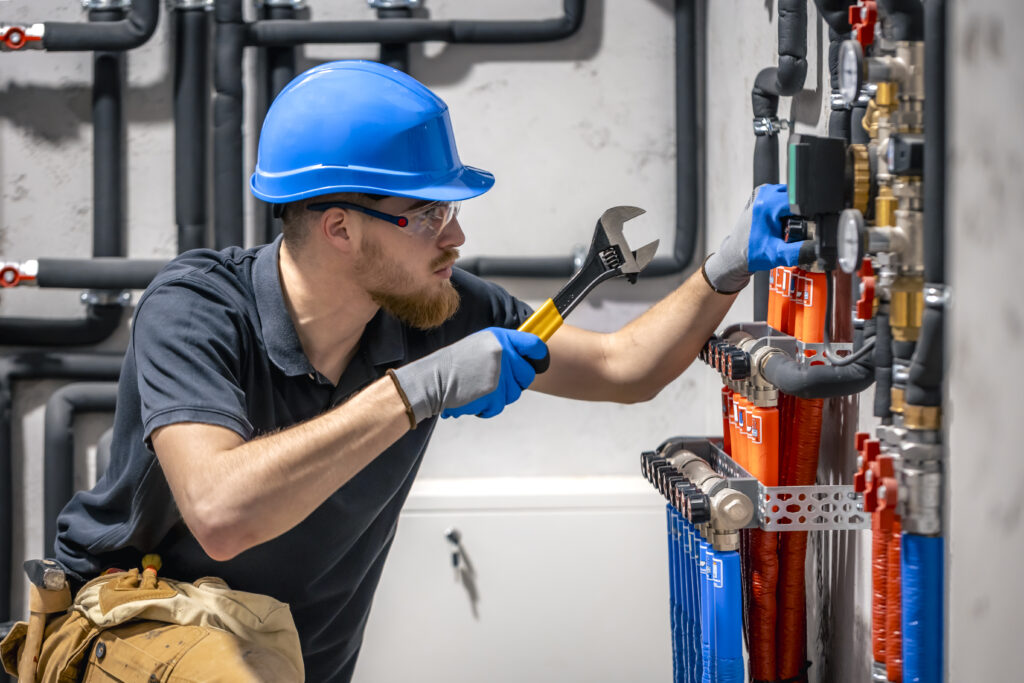
A smooth and stress free boiler installation in Abington, MA does not happen by chance. It requires clear planning, the right contractor, and a good understanding of how heating systems work in local properties. Whether you own a small business, manage a commercial space, or take care of a residential property, heating problems can cause discomfort, lost time, and unexpected costs. This guide explains each step in a clear and simple way so you can avoid delays, reduce risks, and make confident decisions during your boiler installation in Abington, MA. Why Proper Planning Is Important Before Installing a Boiler Abington experiences long cold seasons, which means heating systems must work reliably every day. Many buildings in the area also have older plumbing or heating setups that need extra attention. Planning helps you identify possible problems before installation begins. When planning is done correctly, your boiler installation in Abington, MA can help prevent surprise repairs, scheduling issues, and higher energy bills. Good planning helps you avoid problems such as oversized or undersized equipment, missed permits, and system breakdowns during peak winter months. Step One Understand Your Heating Needs Every building has different heating requirements. The size of the space, ceiling height, insulation quality, and how often the property is used all matter. A proper evaluation ensures the boiler can heat the space evenly without wasting fuel. Before starting a boiler installation in Abington, MA, a professional should check your current boiler, fuel type, and heating distribution system. If you plan future upgrades or plumbing for home additions in Abington, MA, that should also be considered during this stage. Choosing the correct system size helps maintain comfort and keeps operating costs under control. Step Two Select the Right Boiler for Your Property Not all boilers work the same way. Some are better suited for residential properties, while others work best for commercial spaces. Fuel type also plays a role in performance and long term costs. A skilled technician will explain how different boilers perform and how each option affects your boiler installation in Abington, MA. The goal is to select a unit that matches your needs without unnecessary complexity. Many property owners also take this opportunity to plan water heater installation in Abington, MA, which can save time and reduce overall disruption. Step Three Set a Clear and Honest Budget Budgeting is more than just purchasing the boiler. A realistic budget includes installation labor, removal of old equipment, permits, and system testing. When planning your boiler installation in Abington, MA, request a detailed estimate that explains each cost clearly. This helps you compare providers and avoid unexpected charges during the project. A clear budget also helps business owners plan around cash flow and operating schedules. Step Four Follow Local Codes and Permit Requirements Heating installations must meet Massachusetts safety and building regulations. Skipping permits can cause serious issues, including fines and failed inspections. Your contractor should handle the permit process and make sure your boiler installation in Abington, MA follows all local rules. Proper documentation also protects your warranty and insurance coverage. Inspections ensure the system operates safely and efficiently once installation is complete. Step Five Choose an Experienced Local Contractor Local experience matters when it comes to heating systems. Contractors familiar with Abington understand common building layouts, older piping systems, and seasonal challenges. When selecting a provider for boiler installation in Abington, MA, look for licensing, insurance, and strong local references. Clear communication and dependable scheduling are also essential. Working with a trusted local team improves response times and ensures ongoing support after installation. Step Six Prepare the Space Before Installation Begins Proper preparation helps avoid delays and keeps the project moving smoothly. Clear the area around the boiler, protect nearby surfaces, and confirm utility access. Before your boiler installation in Abington, MA starts, make sure technicians can easily reach the work area. Notify staff or occupants about temporary heating interruptions. Preparation reduces installation time and limits disruption to daily operations. Step Seven Focus on Installation Quality Even the best boiler will not perform well if it is installed incorrectly. Proper piping, ventilation, and system controls are essential for safe and efficient operation. During a boiler installation in Abington, MA, professionals must ensure all components are correctly connected and tested. Attention to detail at this stage affects performance, energy use, and system lifespan. Quality installation protects your investment and prevents frequent service calls. Step Eight System Testing and Final Checks Once installation is complete, the system must be tested carefully. This step confirms that everything works as expected. Testing includes checking pressure levels, inspecting connections, and adjusting controls. During your boiler installation in Abington, MA, ask for a walkthrough so you understand how to operate the system. Knowing how your boiler functions helps you identify early warning signs and maintain consistent performance. Step Nine Plan Ongoing Maintenance Regular maintenance keeps your boiler running safely and efficiently. Annual service helps detect small issues before they become expensive repairs. After completing a boiler installation in Abington, MA, set reminders for inspections and keep records of all service visits. Routine maintenance improves energy efficiency and extends system life. A well maintained boiler provides reliable heat year after year. Common Mistakes to Avoid During Boiler Installation Many issues arise from rushed decisions or poor planning. Avoid choosing equipment without proper evaluation or ignoring future expansion plans like plumbing for home additions in Abington, MA. Skipping inspections or delaying maintenance can shorten system life and increase costs. Taking the time to do things correctly ensures your boiler installation in Abington, MA delivers long term value. Conclusion Are you searching for a simple and reliable way to complete a boiler installation without stress or delays Choosing the right steps makes all the difference. A successful boiler installation in Abington, MA depends on planning, skilled workmanship, and regular care. Steel Hill Plumbing and Heating is known for providing dependable plumbing, heating, and home renovation services. Their experience with boiler installation in Abington, MA, along with support for