
Why is my Water Heater Leaking? Quick Fixes and Prevention Tips
If you notice water pooling around your water heater, it can be worrying. Leaks can range from tiny drips to steady streams that might damage your floor or walls. Many small and medium-sized business owners in Rockland face this issue. Understanding the causes of leaks and taking the right steps for water heater maintenance can save money, prevent damage, and extend the life of your heater. This guide explains why water heaters leak, what you can do immediately, and how to prevent problems in the future. We will also touch on professional help for tankless water heater repair when needed. Why Water Heaters Leak Knowing why your water heater is leaking helps you decide if it can be fixed at home or if professional help is needed. Common reasons include Loose or Worn Pipe Connections Pipes connected to your heater can become loose over time. Temperature changes, vibrations, or poor installation can make seals fail. Even a small misalignment can lead to dripping. Leaking Pressure Relief Valve Water heaters have a safety valve called the TPR valve. It releases water if pressure builds up inside the tank. If this valve fails or is stuck, it can leak continuously. Drain Valve Problems The drain valve at the bottom of the tank can leak if it is not fully closed after maintenance or if the valve becomes worn. Internal Tank Damage Over time, tanks can rust or corrode from minerals in the water. This can cause leaks, usually near the bottom of the tank. High Water Pressure or Thermal Expansion If your water supply has high pressure or there is no expansion tank, heating water can increase pressure inside the tank. This can cause leaks around valves and joints. Lack of Regular Maintenance Neglecting routine maintenance can cause slow damage. Weak points like seals, valves, and connections may fail over time. Quick Fixes You Can Try Some leaks are small and can be fixed without calling a professional. Here are some steps to follow Even simple steps like tightening connections or flushing the tank can prevent small leaks from turning into bigger problems. When to Call a Professional Sometimes leaks require professional attention, especially if you are not comfortable with plumbing or working around electricity or gas. Call a plumber when A professional can also handle hot water elements replacement or tankless water heater repair safely. How to Prevent Water Heater Leaks Preventing leaks is easier than fixing them. Following these steps can keep your system running smoothly Regular water heater maintenance protects your business from costly repairs and keeps hot water available when you need it. Tankless Water Heaters Tankless water heaters provide hot water on demand and are becoming more popular for businesses. Leaks in these systems may appear differently and require professional handling. Tankless water heater repair should be done by experienced plumbers to ensure proper operation. Even with tankless systems, it is important to check pipe connections, valves, and water pressure regularly. This keeps the heater efficient and prevents unexpected leaks. Conclusion Are you unsure whether a leak under your water heater is serious? Don’t wait to find out. Small leaks can become big problems quickly, causing property damage and interruptions, especially for businesses that rely on hot water. For safe and reliable service, including hot water element replacement, complete tank inspections, or tankless water heater repair, contact professionals you can trust. Steel Hill Plumbing & Heating provides excellent water heater repair and replacement services. Their team can handle traditional tank systems and modern tankless units efficiently. Frequently Asked Questions Why does my water heater leak only when it is heating water? Small drips from the TPR valve can happen, but continuous leaks usually mean a faulty valve or internal problem. Will flushing the tank stop a leak? Flushing removes sediment that can corrode the tank. It does not fix cracks or rusted areas inside the tank. How often should I inspect my water heater? Once a year is recommended. If you have hard water or high usage, inspections should be more frequent. Are leaks covered by warranty? It depends on the manufacturer, age of the unit, and cause of the leak. Regular maintenance improves your chances of warranty coverage. Can I ignore a small leak? Even small drips can lead to serious damage over time. Ignoring a leak increases repair costs and risks water damage.
What Are the Main Water Heater Safety Risks Homeowners Should Know?
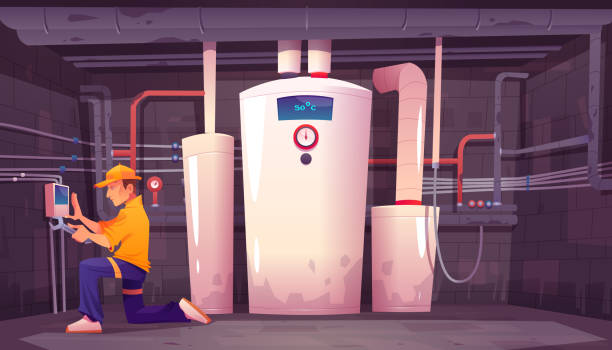
A water heater works quietly every day, but it still carries heat, pressure, and electrical power. This makes it an appliance that needs attention. Many people only notice a problem when they lose hot water, but safety issues often begin long before that moment. Understanding common risks helps you protect your home, save money, and keep your system running well with proper water heater maintenance. Here is a clear and simple overview of the main safety concerns every homeowner in the United States should be aware of. Why Water Heater Safety Should Be a Priority A water heater stores many gallons of water and uses strong heat to warm it. When something inside stops working the right way, issues can grow fast. These problems can include leaks, mold, higher energy bills, or, in extreme cases, fire hazards or pressure problems. Good water heater maintenance keeps your home safe and helps the system last longer. To make smart choices, homeowners must understand what can go wrong. Pressure Buildup and Tank Stress When a heater warms water, pressure forms inside the tank. This is normal, but pressure becomes unsafe when it has no way to escape. That can damage the tank and cause leaks or, in rare situations, tank failure. Common signs of pressure trouble • Loud popping or rumbling sounds• Water dripping from the temperature and pressure relief valve• Tank movement when heating starts Typical causes • Sediment inside the tank• Faulty pressure relief valve• Unsafe water temperature setting• Lack of regular water heater maintenance The pressure relief valve is the only part that releases extra pressure. When it stops working, the tank becomes unsafe. If a water heater makes loud popping sounds, it may need flushing or a hot water element replacement to restore normal heating. Fire Risks and Electrical Problems Both electric and gas water heaters can create fire risks when parts wear out or when wiring starts failing. Electrical unit risks • Loose or burnt wires• Damaged heating elements• Thermostat failure• Overheating due to worn components These problems often require a water heater element replacement to restore safe operation. Gas unit risks • Gas leaks• Blocked exhaust• Poor airflow• Carbon monoxide buildup Homes with gas units should always have carbon monoxide detectors installed. A blocked vent or leaking gas line is serious and must be fixed by a licensed professional. What homeowners can do • Keep flammable items far from the unit• Let trained technicians handle repairs• Check the area often for signs of burning smells• Schedule routine water heater maintenance once or twice a year Sediment Buildup Inside the Tank Sediment forms when minerals in water fall to the bottom of the tank. Homes in hard water areas face this more often. How sediment becomes a safety risk • Heating elements work harder and overheat• Pressure rises inside the tank• Loud noise comes from the system• Energy bills increase• Tank lifespan shortens Regular flushing is a simple part of water heater maintenance and helps control sediment. Do tankless heaters face sediment, too? Yes. Tankless systems collect scales that block water flow and reduce heating efficiency. Water Leaks and Flooding Concerns A small leak may not seem serious, but leaks often point to a bigger issue forming inside the tank. Typical causes • Rust inside the system• Loose pipe connections• Cracked tank• Faulty valve• Worn heating elements If leaks continue, homeowners often choose a replacement water heater because ongoing repairs become expensive. Temperature Problems and Burn Risks Water that becomes too hot increases the chance of burns, especially for children or older family members. Many heaters are set to unsafe temperatures without homeowners knowing. Recommended safe temperature The U.S. Consumer Product Safety Commission suggests 120 degrees Fahrenheit as a safe and practical setting. Why temperature issues happen • Old thermostats• Heating elements stuck in the on position• Poor water heater maintenance• Worn parts that no longer control heat correctly A damaged thermostat often requires repair or a hot water element replacement. Mold Growth and Indoor Air Concerns A slow water leak can raise indoor moisture and cause mold to grow. This is more common in warm states or in basements with poor ventilation. Signs of mold near your heater • Musty smell• Dark stains on walls or flooring• High humidity around the unit Mold affects indoor air and can bother people with allergies or asthma. Keeping the heater dry and scheduling regular water heater maintenance helps prevent this issue. Rust and Corrosion Inside the Tank Rust slowly damages the tank and can lead to leaks or discolored water. What causes rust • Old anode rod• Mineral deposits• Moisture around the tank• Lack of routine flushing• Old tank nearing the end of its lifespan Replacing the anode rod is an easy step that protects the tank, but many homeowners do not include it in their usual water heater maintenance schedule. Poor Ventilation in Gas Water Heaters Gas heaters need proper ventilation to release exhaust safely. When vents are blocked, harmful gases like carbon monoxide may enter the home. Common signs of poor airflow • Soot marks near the heater• Strange smell from the vent area• Yellow flame instead of a steady blue one• Headaches or dizziness when near the heater This problem must be fixed immediately because it affects indoor air safety. Old or Outdated Water Heaters Most water heaters last eight to twelve years. Older heaters often have weak parts and outdated safety features. Risks with older units • Thin tank walls• Weak heating elements• Frequent leaks• Increased energy use• Rust and corrosion When repairs become constant, a replacement water heater is usually a better long-term choice for comfort and safety. Simple Homeowner Checklist for Water Heater Safety Monthly • Look for any leaks• Check for unusual smell or noise• Keep the area clear of clutter Every six months • Flush the tank• Test the pressure relief valve• Inspect wiring or gas lines Every year • Schedule professional water heater maintenance• Replace aging parts• Ask for a
How Do I Know When It’s Time to Repair or Replace My Water Heater?

A warm shower on a cold morning is something most of us take for granted. But when the water suddenly turns cold, it can ruin your whole day. The truth is, your water heater works quietly in the background every single day, and just like any other appliance, it will eventually need attention. The big question is — how do you know when it’s better to repair your water heater or replace it altogether? In this guide, we’ll help you understand the difference between a repair and a replacement. You’ll also learn what signs to look for and how regular water heater maintenance can save you time and money. Understanding How Water Heater Maintenance Helps Before deciding whether to repair or replace, it’s important to know how basic water heater maintenance can keep your system in good shape. A properly maintained water heater not only lasts longer but also uses less energy and performs better. Here are a few maintenance tasks you should not ignore: Flush the tank once a year to remove built-up sediment that reduces efficiency.Inspect the anode rod to make sure it’s still protecting your tank from rust.Test the pressure relief valve regularly for safety.Check the thermostat and heating elements to ensure they are working correctly. Most plumbing professionals recommend having your water heater inspected at least once a year. This simple habit helps prevent sudden breakdowns and expensive repairs later on. Signs That Show Your Water Heater Needs Attention Your water heater will often show small signs before a major failure. Paying attention to these signs can help you decide whether a repair is enough or if you need a replacement water heater. 1. You Get Inconsistent or No Hot Water If your water turns cold faster than usual or you don’t get any hot water, the problem could be a broken heating element or thermostat. Sometimes, it just needs a hot water element replacement. In most cases, this is an easy and affordable fix. 2. You Hear Strange Noises from the Tank Popping or rumbling noises often happen because of sediment buildup inside the tank. The sediment traps heat and causes the water heater to work harder than it should. Regular water heater maintenance helps prevent this and keeps your unit running quietly. 3. Your Water Looks Rusty or Cloudy If you notice rusty or discolored water, your tank may be rusting from the inside. When corrosion starts, the lining of your water heater breaks down, and that means it’s time to plan for a replacement water heater before leaks occur. 4. There’s Water Around the Base of the Unit Even a small puddle around your water heater can signal trouble. It may be caused by a small crack or loose valve. If the tank itself is leaking, repairs won’t help. You’ll need a new unit to avoid water damage. 5. The Unit Is Too Old A typical electric or gas water heater lasts about ten years. If yours is older and needs frequent repairs, replacing it might save you money in the long run. A newer model will also be more energy-efficient. When Repairing Your Water Heater Makes Sense Not every problem means your water heater has reached the end of its life. In many cases, a repair is all you need, especially if the unit is still relatively new. Here are situations where repair is the smarter option: For example, if your water heater suddenly stops heating but is only a few years old, replacing the heating element or thermostat can quickly fix the issue. A professional plumber can do this job safely and efficiently. When It’s Better to Replace Your Water Heater Sometimes, even the best repair won’t make much difference. If your unit is old or breaking down often, investing in a replacement water heater is usually the better decision. Here are signs that point toward replacement: You’re calling for repairs too often. Frequent repairs add up quickly and can cost more than installing a new unit. Your energy bills keep going up. Older water heaters lose efficiency. When you start paying more every month for the same amount of hot water, it’s a clue that your heater is wasting energy. You see rust or corrosion. Rust is a clear sign that your tank is weakening. Once corrosion starts, it only gets worse over time. There’s water damage near your heater. Leaks can damage your walls, flooring, and nearby equipment. It’s safer to replace the entire unit rather than risk bigger problems later. You have an outdated model. Modern water heaters are designed to use less energy and provide hot water more consistently. Upgrading to a new system, such as a tankless water heater, can reduce your energy costs and provide endless hot water when you need it. Cost Comparison Between Repair and Replacement When deciding whether to repair or replace your water heater, think about the overall cost, not just the immediate expense. A repair might seem cheaper today, but if your system keeps breaking down, it can cost more in the long term. If the repair cost is close to half the price of a new water heater, replacement is often the better financial choice. With a new system, you also get a longer warranty, improved performance, and better energy efficiency. Tips to Make Your Water Heater Last Longer Whether your system is new or old, regular care can help it work better and last longer. Follow these simple maintenance tips: These small steps can extend your heater’s life by several years and keep it running efficiently. Why Replacing Your Water Heater Can Save Money and Energy Modern water heaters are much more efficient than older models. They heat water faster, use less energy, and are safer to operate. Replacing your outdated unit with a replacement water heater that meets new efficiency standards can lower your energy bills and reduce your environmental impact. For small and medium-sized businesses, this upgrade can also make daily operations smoother and reduce