
Which Water Heater Is Better for Homes in Abington MA Tank or Tankless?
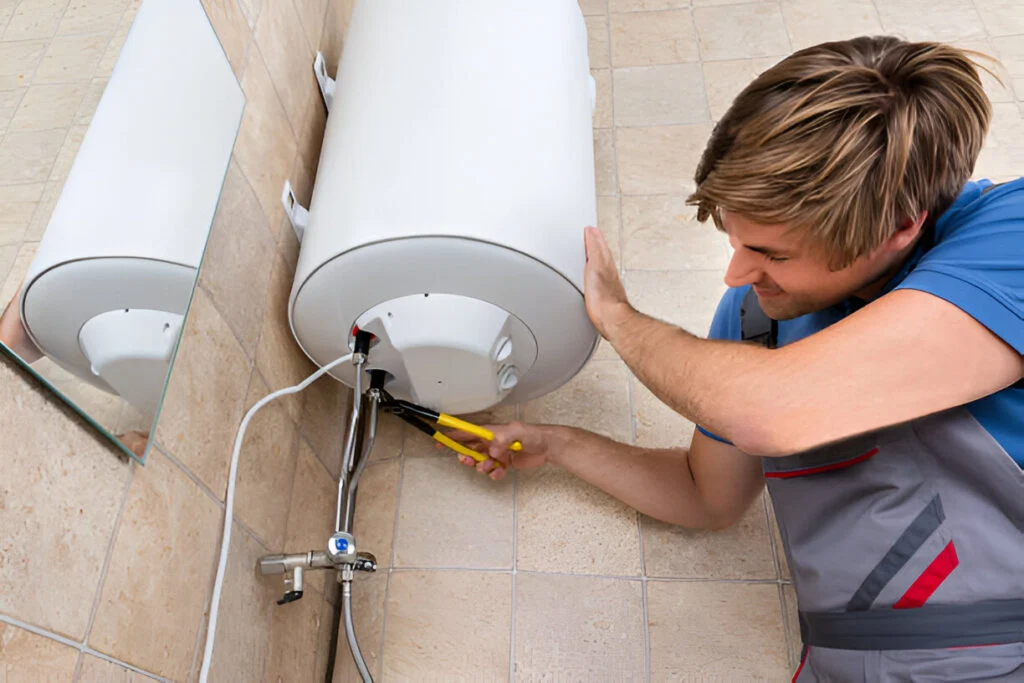
Choosing the right option for water heater installation in Abington, MA can feel confusing for many homeowners and business owners. There are two main choices available today. One is the traditional tank system and the other is the newer tankless system. Both work well, but they serve different needs depending on how much hot water you use and how you want to manage your energy costs over time. If you own a home, manage a rental, or run a small business in Abington, your choice will affect your daily comfort and your monthly expenses. This guide explains everything in simple language so you can understand which option makes more sense for your situation. Understanding How Water Heaters Work A tank water heater stores hot water inside a large container. This tank usually holds a fixed amount of water and keeps it heated all day. When you use hot water, the tank slowly refills and heats the new water again. This means you always have some hot water ready, but it can run out if many people use it at the same time. A tankless water heater works differently. It heats water only when you need it. There is no storage tank. Instead, water is heated as it flows through the unit. This is why many people consider tankless water heater installation in Abington MA when they want a more modern system that provides hot water on demand. How These Systems Perform in Abington Homes Abington has cold winters, and this affects how water heaters work. In winter, the incoming water is colder, so it takes more energy to heat it. A tank system already stores heated water, so it can handle sudden demand more easily. A tankless system heats water instantly, but it may need more power to keep up during colder months. This does not mean one is better than the other. It simply means you should think about how often you use hot water and how many people use it at the same time. Energy Use and Monthly Costs Energy use is one of the biggest factors when choosing a system. A tank water heater keeps water hot all the time, even when you are not using it. This can increase energy bills because heat is lost slowly throughout the day. A tankless system only heats water when you turn on the tap. This helps reduce energy use and can lower monthly bills over time. Many property owners prefer this option when they want to save money in the long run. Studies from the U.S. Department of Energy show that tankless systems can use less energy, especially in homes that do not use a large amount of hot water every day. Installation Process and What to Expect The installation process is different for each system. A tank water heater is easier to install because it usually connects to existing plumbing without major changes. This makes it a faster and more affordable option for many homeowners. A tankless system often requires upgrades. This may include new wiring, gas lines, or ventilation changes. Because of this, water heater installation in Abington, MA for tankless systems can take more time and cost more upfront. For older homes, this is an important factor to consider before making a decision. Space and Property Layout Space is another important detail. A tank water heater takes up more room because of its size. It is usually placed in a basement or utility area. A tankless unit is much smaller and can be mounted on a wall. This makes it a good option for smaller homes, offices, or commercial spaces where saving space matters. If you are managing a business or rental property, a compact system can give you more flexibility with your layout. Daily Usage and Hot Water Needs Your daily routine plays a big role in choosing the right system. A tank system works well when water use is predictable. It can handle multiple users at the same time, but only until the tank is empty. A tankless system provides continuous hot water. This means you do not run out, but the flow may slow if too many fixtures are used at once. This is why proper sizing is very important. If your household or business uses hot water at different times instead of all at once, a tankless system can be a good fit. Maintenance and System Life Both systems need regular care to perform well. A tank water heater can collect sediment over time. This buildup can affect performance and should be cleaned out periodically. These systems usually last around ten years with proper care. A tankless system needs descaling, especially in areas with hard water. This helps prevent mineral buildup inside the unit. With regular maintenance, tankless systems can last much longer than tank systems. Proper care ensures that your water heater installation continues to work efficiently for years. Cost Considerations Cost is often the deciding factor for many property owners. A tank water heater costs less to purchase and install. This makes it a popular choice for those who want a simple and budget friendly solution. A tankless system costs more at the start. However, it can help save money over time through lower energy use and longer lifespan. This makes it a good investment for those planning to stay in their property for many years. Choosing Based on Property Type Different properties have different needs. For smaller households, a tankless system can provide enough hot water without wasting energy. For larger families, a tank system may be better because it can handle multiple uses at once. In small businesses such as offices, tankless systems can work well because water use is usually spread out during the day. In places like restaurants or salons, a tank system may be more reliable because of higher demand. Rental property owners often choose tank systems because they are easier to install and replace. Signs You May Need a New Water Heater Over