
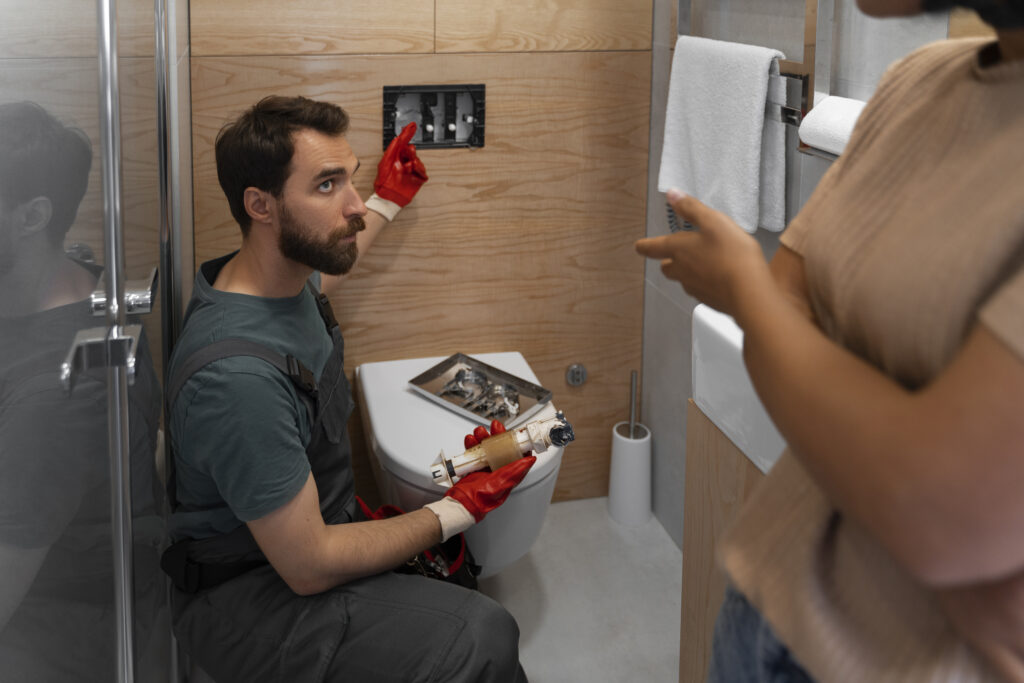
Planning a bathroom renovation is exciting. Picking new tiles, faucets, and cabinets can be fun. But behind the scenes, plumbing is one of the most important parts of a successful remodel. Even small plumbing problems can become big headaches if you ignore them. Knowing when your bathroom plumbing needs a complete update can save you a lot of stress and money.
This is especially important if you are considering bathroom renovation plumbing in Abington, MA, where many homes have older plumbing that might not be obvious until you start the renovation.
Why Plumbing Is Important in a Bathroom Remodel
A bathroom renovation is not just about making it look beautiful. Plumbing affects how well your bathroom works every day. Old or damaged pipes can lead to leaks, water damage, mold, and even structural problems if they are not fixed.
The best time to address plumbing issues is before installing new fixtures. Identifying the problems early ensures that your investment in your renovation is protected.
Signs Your Bathroom Plumbing Might Need a Complete Update
Here are the main signs that your bathroom might need more than just a quick repair:
1. Constant Leaks or Water Damage
If you notice water stains, damp spots, peeling paint, or dripping under sinks, this could mean there are hidden leaks. Small leaks may not seem serious at first, but they can damage floors, walls, and even your home’s structure. Addressing leaks before a renovation avoids bigger problems later.
2. Slow or Clogged Drains
If your sink or shower drains slowly, and the problem affects more than one drain, it could mean there is buildup in the pipes or improper slope. Temporary fixes like plungers or drain cleaners may not solve the real problem. Slow drainage across multiple fixtures usually signals that a more thorough plumbing check is needed.
3. Weak Water Pressure
If your shower feels weak or faucets do not have a steady flow, your pipes might be old or too narrow. Corrosion or outdated piping can reduce water pressure. Before installing new high-quality fixtures, make sure your plumbing can handle them.
4. Old or Corroded Pipes
Homes built before the 1990s often have older pipes made from materials that can corrode over time. This can affect water quality and pressure. Replacing old pipes with modern materials like PEX or copper can make your bathroom more reliable and reduce future problems.
5. Mold, Mildew, or Musty Smells
If mold keeps coming back or your bathroom smells musty, there might be hidden leaks or water trapped behind walls or under floors. Renovation gives a good opportunity to fix these problems and prevent mold from returning.
6. Frequent Fixture Repairs
If you are constantly fixing your faucets, shower handles, or toilets, this could mean your plumbing system is struggling to keep up. Frequent repairs often indicate deeper issues in the supply or drain lines rather than problems with the fixtures themselves.
7. Unhealthy Water Quality
Rust-colored water, sediment, or unpleasant odors from the shower or sink are signs of aging pipes. Updating your pipes can improve water clarity and quality, and prevent damage to your fixtures and clothing.
What to Expect From a Professional Plumbing Inspection
Before you close up walls or put in new tiles, a professional plumber can:
- Check pipe condition using cameras
- Ensure drains have proper slope and venting
- Test water pressure
- Look for moisture in subfloors and behind walls
- Make sure everything meets local plumbing codes
A professional inspection helps identify hidden problems and gives you a clear plan for the renovation. If you are also planning plumbing for home additions in Abington, MA, an expert can make sure the new lines connect properly with existing plumbing.
Benefits of a Full Plumbing Overhaul
Sometimes it is better to update the whole plumbing system rather than patching old pipes. The benefits include:
- Support for modern fixtures – Large showers, multi-spray heads, or high-flow faucets need updated pipes.
- Long-term reliability – Older pipes may fail after a renovation, causing damage and extra costs.
- Better efficiency – New pipes can reduce water waste and utility bills.
- Peace of mind – You avoid recurring repairs and surprises after finishing the remodel.
Renovation is the perfect time to fix everything right and avoid issues later.
Key Plumbing Elements to Consider in Your Remodel
When planning a bathroom renovation, think about these plumbing areas:
- Water supply lines – Modern piping improves water pressure and reliability.
- Drain and waste systems – Proper slope and venting prevent backups and odors.
- Fixture placement – Moving sinks, showers, or toilets may require rerouting pipes.
- Toilet installation & replacement in Abington, MA – Proper measurements and waste line slope are crucial for reliable flushing.
- Water heater capacity – Larger bathrooms or multiple showers may require a bigger or more efficient water heater.
Tips to Avoid Plumbing Mistakes
Even with a renovation, mistakes happen. You can avoid them by:
- Getting a professional inspection before tearing down walls
- Working with licensed plumbers to meet building codes
- Avoiding DIY rerouting unless you are trained, as improper slopes and connections cause leaks
Conclusion
Are you wondering if your bathroom plumbing needs a full overhaul? If you notice slow drains, low water pressure, frequent leaks, old pipes, or discolored water, it is a good idea to upgrade your plumbing during your renovation.
For trusted service in bathroom renovation plumbing in Abington, MA, Steel Hill Plumbing & Heating is the company to call. They are experts in home renovations, including inspections, repiping, toilet installation & replacement in Abington, MA, and more. Their team ensures your plumbing is reliable, efficient, and ready for the future.
Frequently Asked Questions (FAQs)
1. When is it better to replace all plumbing instead of repairing it?
If your pipes are old, corroded, or causing repeated problems like leaks and poor pressure, a full replacement is usually the smarter choice. Repairs may not fix the root issue.
2. How long does a full plumbing update take?
For a standard bathroom, it usually takes one to four days for plumbing alone. If you are moving fixtures or making major changes, it may take longer.
3. Will replacing plumbing increase my renovation cost?
Yes, but it is an investment. Fixing major problems during renovation is cheaper than dealing with hidden issues later.
4. Do I need a permit for bathroom plumbing upgrades in Abington, MA?
Yes. Most plumbing updates require permits to ensure work meets safety standards and local codes.
5. Does updating pipes improve water quality?
Yes. Replacing old corroded pipes with modern materials improves water taste, clarity, and flow.