
How Does a Home Addition Affect Septic Plumbing in Pembroke, MA?
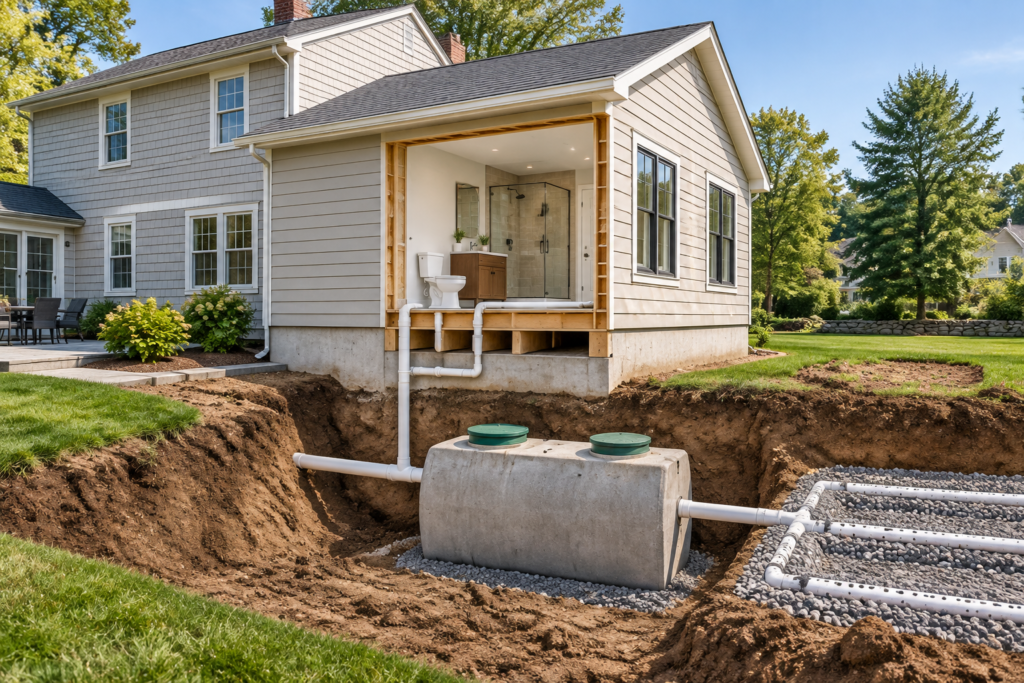
Adding a new room to your home can give your family more space and make the property more useful. You may be planning a new bathroom, bedroom, guest suite, home office, or larger kitchen. While most homeowners think about walls, flooring, electrical work, and heating, plumbing and septic capacity also need attention before construction begins. A home addition can change how much water your property uses and how much wastewater enters the septic system. A new bathroom, for example, adds toilets, sinks, and showers that were not part of the original plumbing layout. Even an addition without a bathroom can affect existing pipes if walls, floors, or underground lines need to be changed. For homeowners planning plumbing for home additions in Pembroke MA, reviewing the existing septic and plumbing setup before construction can prevent expensive surprises later. The project should account for the age of the plumbing, the size and condition of the septic system, available pipe capacity, and the requirements that apply to the property. Why A Home Addition Affects Plumbing Your home’s original plumbing system was designed around the number of fixtures and the expected water use when the house was built. Adding new fixtures changes that setup. A new bathroom is the clearest example. Adding a toilet, shower, sink, and perhaps a bathtub creates new water supply and drainage needs. The existing pipes may need to be extended, resized, or rerouted to serve the new space. The septic system also receives wastewater from these fixtures. If the addition increases the number of people regularly using the home, wastewater volume can increase as well. This does not mean every home addition requires a new septic system. The actual requirements depend on the existing system, the proposed addition, the number of bedrooms and fixtures, and local regulations. Start With The Existing Septic System Before connecting new plumbing, find out what type of septic system your property has and how old it is. If you purchased an older home, you may not have complete records of the original installation. A plumber or septic professional can help determine what is currently installed and whether the system appears suitable for the planned changes. Local permitting requirements may also require an evaluation before work begins. Massachusetts regulates septic systems under Title 5, which establishes requirements for the design, construction, and maintenance of individual sewage disposal systems. The Massachusetts Department of Environmental Protection provides information about these requirements and septic system inspections. (mass.gov) Getting this information early is much easier than discovering a capacity or drainage issue after construction has started. Adding A Bathroom Changes Wastewater A bathroom addition can have a larger effect on septic plumbing than a room that does not use water. Every time someone uses the toilet, takes a shower, washes their hands, or uses a sink, wastewater enters the drainage system. That wastewater eventually reaches the septic tank if the home uses a private septic system. The new bathroom also needs proper venting and drainage. Pipes must have the right slope and connections so wastewater can move away from the fixtures without creating repeated clogs or slow drains. The plumber needs to consider both sides of the system. Fresh water must reach the new fixtures, while wastewater must leave the fixtures safely and reach the appropriate drainage point. More Fixtures Mean More Plumbing Work Not every addition includes a full bathroom. You may only want a wet bar, laundry area, utility sink, or kitchenette. Even these smaller changes can require new water supply lines, drain lines, shutoff valves, and venting. If the addition is far from the existing plumbing stack, the installation may require a longer pipe route or a different connection point. Older homes can make this more complicated because existing pipes may already be worn or undersized. When the existing plumbing has reached the end of its useful life, the project may become a good time to consider whole-home repiping in Pembroke MA rather than connecting new fixtures to aging pipes. Could The Septic System Handle The Addition? This is one of the first questions to ask before adding new plumbing. A septic system does not have unlimited capacity. Its design depends on factors such as the size of the home, wastewater flow, soil conditions, tank capacity, and disposal area. If a home addition increases the number of bedrooms or expected occupants, the septic system may need to be reviewed. Massachusetts Title 5 requirements can apply when a property is altered, expanded, or otherwise changed in ways that affect the sewage disposal system. (mass.gov) Do not assume that an existing septic system can automatically support every addition. The safest approach is to have the proposed project reviewed before plumbing plans are finalized. Soil And Drainage Conditions Matter A septic system depends on more than the tank itself. The soil and area where treated wastewater is dispersed also play a major role. If the existing system was designed for the original home, adding more wastewater may change the demands placed on the system. The soil must be able to handle the wastewater flow under the conditions required by the applicable regulations. This is one reason septic planning should happen alongside the addition design instead of being treated as a final construction task. A contractor may need information about the existing septic layout, tank location, leach area, and other site conditions before deciding where new plumbing can run. Protect Existing Pipes During Construction Home additions often require excavation, foundation work, framing, and changes to the surrounding yard. Existing plumbing and septic components can be located below areas affected by construction. Before digging, contractors should identify the location of underground utilities and septic components. Accidentally damaging an existing sewer line or septic pipe can create delays and unexpected repair costs. The same applies to the home’s interior plumbing. If walls or floors are opened during construction, older pipes may become exposed. This can reveal corrosion, leaks, poor connections, or previous repairs that were hidden behind finished surfaces. Finding these
What Plumbing Upgrades Add the Most Value During a Home Addition?
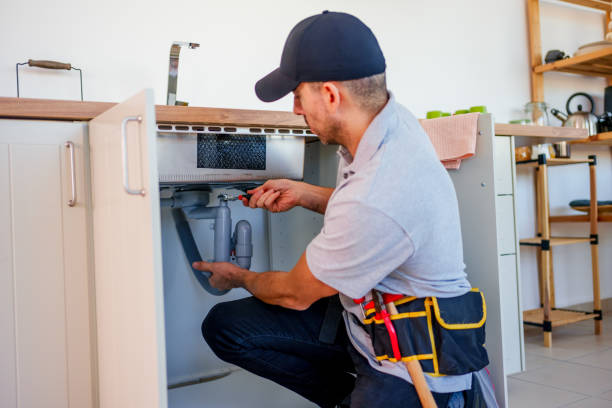
Adding more space to a home is a major project for any homeowner. Some families want a larger kitchen, while others may need an extra bathroom, guest room, or office space. During a home addition project, plumbing becomes one of the most important parts of the work because it affects comfort, convenience, and long term property value. Many homeowners focus heavily on flooring, cabinets, and paint colors, but plumbing systems are what keep the home functioning properly every day. A smart plumbing upgrade can improve water flow, reduce utility costs, and prevent expensive repairs in the future. Homeowners planning plumbing for home additions in Pembroke, MA often look for upgrades that improve both daily living and future resale value. Choosing the right plumbing improvements during construction can make the new addition feel like a natural part of the home instead of a separate space added later. Why Plumbing Planning Matters During a Home Addition A home addition increases the demand on the existing plumbing system. More sinks, showers, toilets, and appliances require proper water supply and drainage. If the current plumbing setup is outdated or undersized, homeowners may experience low water pressure, slow drains, or plumbing failures after the project is complete. Planning the plumbing work before construction begins helps avoid these problems. Professional plumbers usually inspect the current system to determine whether upgrades are needed before the new addition is connected. Good plumbing planning can help improve: • Water efficiency• Hot water availability• Daily convenience• Property value• Long term plumbing reliability A properly designed plumbing system helps every part of the home work smoothly together. Replacing Old Pipes During Construction One of the best plumbing upgrades during a home addition is replacing aging pipes. Many older homes still have plumbing lines that may already contain corrosion or mineral buildup inside the pipes. Connecting brand new plumbing lines to worn out pipes can create future maintenance issues. Signs of aging pipes often include discolored water, weak water pressure, recurring leaks, or noisy plumbing. Replacing old pipes while walls and floors are already open is usually more affordable than repairing them later after construction is finished. Homeowners investing in plumbing for home additions in Pembroke, MA often choose to modernize older plumbing systems during the remodeling process because it saves both time and labor costs in the future. Installing a Tankless Water Heater Adding more space to a home usually increases hot water usage. Extra bathrooms, larger kitchens, and guest areas all place additional demand on the water heater. Traditional water heaters store hot water in a tank, while tankless systems heat water only when needed. Tankless water heaters have become popular because they provide continuous hot water without requiring a large storage tank. They also take up less space and can help lower monthly energy costs. Many homeowners prefer tankless systems because they provide: • Endless hot water supply• Better energy efficiency• Smaller equipment size• Longer equipment lifespan According to the United States Department of Energy, tankless water heaters can improve energy savings compared to traditional storage systems depending on household usage. Reference:https://www.energy.gov/energysaver/tankless-or-demand-type-water-heaters Upgrading Bathroom Plumbing Fixtures Bathrooms are one of the most important areas of any home when it comes to comfort and resale value. During a home addition project, upgrading plumbing fixtures can improve both appearance and performance. Modern fixtures are designed to use less water while still maintaining strong pressure and efficiency. Many homeowners choose larger showers, updated faucets, and water saving toilets during remodeling projects. Double sink vanities are also common in master bathroom additions because they improve convenience for busy households. Rainfall shower systems and touchless faucets have also become more popular in modern homes. Well designed bathroom plumbing upgrades can make the entire home feel newer and more functional. Improving Sewer and Drain Systems A home addition increases the amount of wastewater moving through the plumbing system every day. Older sewer lines may not always handle the additional demand properly, especially in older homes. Without proper drain planning, homeowners may face slow drains, sewer odors, or occasional backups after construction is complete. This is why professional sewer inspections are often recommended before starting a large home addition. Drain camera inspections help plumbers identify hidden problems underground before new plumbing connections are installed. Finding these issues early can help homeowners avoid expensive repairs later. Improving Water Pressure Throughout the Home Water pressure problems are common after a home addition if the plumbing system is not properly upgraded. When more bathrooms or fixtures are added, older water supply lines may struggle to provide consistent pressure throughout the property. Professional plumbers may recommend larger water supply pipes, updated valves, or pressure boosting systems to improve overall water flow. Homeowners planning plumbing for home additions in Pembroke, MA often include water pressure upgrades because reliable water flow is important for daily comfort in larger homes. Adding Smart Plumbing Features Technology is now becoming part of modern plumbing systems. Smart plumbing features help homeowners monitor water usage, detect leaks early, and reduce the risk of water damage. Leak detection systems can send alerts when unusual moisture is found inside the home. Some smart shut off systems can even stop the water supply automatically if a leak occurs. Smart plumbing upgrades are becoming more attractive because they provide extra protection and convenience without requiring major maintenance. Installing a Water Filtration System Many homeowners today are more concerned about water quality than ever before. A home addition project creates a good opportunity to improve household water systems with filtration equipment. Some families choose water filtration system installation in Pembroke, MA to improve drinking water quality and reduce contaminants, chlorine taste, and mineral buildup inside the home. A quality filtration system can help provide clean water for drinking, cooking, bathing, and appliance use. It can also help reduce mineral deposits that may shorten the lifespan of plumbing fixtures and appliances. Upgrading Laundry Room Plumbing Laundry rooms are often included in modern home addition projects. Better laundry plumbing can improve convenience while
How Do You Know If Your Bathroom Plumbing Needs a Complete Overhaul During a Renovation?

Planning a bathroom renovation is exciting. Picking new tiles, faucets, and cabinets can be fun. But behind the scenes, plumbing is one of the most important parts of a successful remodel. Even small plumbing problems can become big headaches if you ignore them. Knowing when your bathroom plumbing needs a complete update can save you a lot of stress and money. This is especially important if you are considering bathroom renovation plumbing in Abington, MA, where many homes have older plumbing that might not be obvious until you start the renovation. Why Plumbing Is Important in a Bathroom Remodel A bathroom renovation is not just about making it look beautiful. Plumbing affects how well your bathroom works every day. Old or damaged pipes can lead to leaks, water damage, mold, and even structural problems if they are not fixed. The best time to address plumbing issues is before installing new fixtures. Identifying the problems early ensures that your investment in your renovation is protected. Signs Your Bathroom Plumbing Might Need a Complete Update Here are the main signs that your bathroom might need more than just a quick repair: 1. Constant Leaks or Water Damage If you notice water stains, damp spots, peeling paint, or dripping under sinks, this could mean there are hidden leaks. Small leaks may not seem serious at first, but they can damage floors, walls, and even your home’s structure. Addressing leaks before a renovation avoids bigger problems later. 2. Slow or Clogged Drains If your sink or shower drains slowly, and the problem affects more than one drain, it could mean there is buildup in the pipes or improper slope. Temporary fixes like plungers or drain cleaners may not solve the real problem. Slow drainage across multiple fixtures usually signals that a more thorough plumbing check is needed. 3. Weak Water Pressure If your shower feels weak or faucets do not have a steady flow, your pipes might be old or too narrow. Corrosion or outdated piping can reduce water pressure. Before installing new high-quality fixtures, make sure your plumbing can handle them. 4. Old or Corroded Pipes Homes built before the 1990s often have older pipes made from materials that can corrode over time. This can affect water quality and pressure. Replacing old pipes with modern materials like PEX or copper can make your bathroom more reliable and reduce future problems. 5. Mold, Mildew, or Musty Smells If mold keeps coming back or your bathroom smells musty, there might be hidden leaks or water trapped behind walls or under floors. Renovation gives a good opportunity to fix these problems and prevent mold from returning. 6. Frequent Fixture Repairs If you are constantly fixing your faucets, shower handles, or toilets, this could mean your plumbing system is struggling to keep up. Frequent repairs often indicate deeper issues in the supply or drain lines rather than problems with the fixtures themselves. 7. Unhealthy Water Quality Rust-colored water, sediment, or unpleasant odors from the shower or sink are signs of aging pipes. Updating your pipes can improve water clarity and quality, and prevent damage to your fixtures and clothing. What to Expect From a Professional Plumbing Inspection Before you close up walls or put in new tiles, a professional plumber can: A professional inspection helps identify hidden problems and gives you a clear plan for the renovation. If you are also planning plumbing for home additions in Abington, MA, an expert can make sure the new lines connect properly with existing plumbing. Benefits of a Full Plumbing Overhaul Sometimes it is better to update the whole plumbing system rather than patching old pipes. The benefits include: Renovation is the perfect time to fix everything right and avoid issues later. Key Plumbing Elements to Consider in Your Remodel When planning a bathroom renovation, think about these plumbing areas: Tips to Avoid Plumbing Mistakes Even with a renovation, mistakes happen. You can avoid them by: Conclusion Are you wondering if your bathroom plumbing needs a full overhaul? If you notice slow drains, low water pressure, frequent leaks, old pipes, or discolored water, it is a good idea to upgrade your plumbing during your renovation. For trusted service in bathroom renovation plumbing in Abington, MA, Steel Hill Plumbing & Heating is the company to call. They are experts in home renovations, including inspections, repiping, toilet installation & replacement in Abington, MA, and more. Their team ensures your plumbing is reliable, efficient, and ready for the future. Frequently Asked Questions (FAQs) 1. When is it better to replace all plumbing instead of repairing it? If your pipes are old, corroded, or causing repeated problems like leaks and poor pressure, a full replacement is usually the smarter choice. Repairs may not fix the root issue. 2. How long does a full plumbing update take? For a standard bathroom, it usually takes one to four days for plumbing alone. If you are moving fixtures or making major changes, it may take longer. 3. Will replacing plumbing increase my renovation cost? Yes, but it is an investment. Fixing major problems during renovation is cheaper than dealing with hidden issues later. 4. Do I need a permit for bathroom plumbing upgrades in Abington, MA? Yes. Most plumbing updates require permits to ensure work meets safety standards and local codes. 5. Does updating pipes improve water quality? Yes. Replacing old corroded pipes with modern materials improves water taste, clarity, and flow.
What Steps to Take to Ensure a Hassle Free Boiler Installation in Abington?
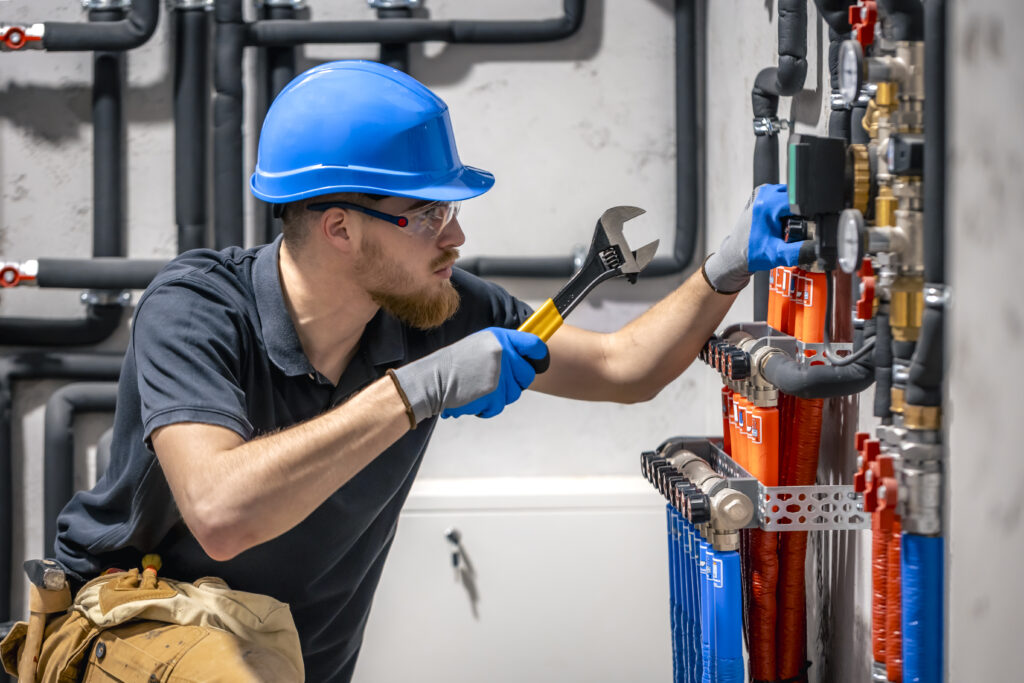
A smooth and stress free boiler installation in Abington, MA does not happen by chance. It requires clear planning, the right contractor, and a good understanding of how heating systems work in local properties. Whether you own a small business, manage a commercial space, or take care of a residential property, heating problems can cause discomfort, lost time, and unexpected costs. This guide explains each step in a clear and simple way so you can avoid delays, reduce risks, and make confident decisions during your boiler installation in Abington, MA. Why Proper Planning Is Important Before Installing a Boiler Abington experiences long cold seasons, which means heating systems must work reliably every day. Many buildings in the area also have older plumbing or heating setups that need extra attention. Planning helps you identify possible problems before installation begins. When planning is done correctly, your boiler installation in Abington, MA can help prevent surprise repairs, scheduling issues, and higher energy bills. Good planning helps you avoid problems such as oversized or undersized equipment, missed permits, and system breakdowns during peak winter months. Step One Understand Your Heating Needs Every building has different heating requirements. The size of the space, ceiling height, insulation quality, and how often the property is used all matter. A proper evaluation ensures the boiler can heat the space evenly without wasting fuel. Before starting a boiler installation in Abington, MA, a professional should check your current boiler, fuel type, and heating distribution system. If you plan future upgrades or plumbing for home additions in Abington, MA, that should also be considered during this stage. Choosing the correct system size helps maintain comfort and keeps operating costs under control. Step Two Select the Right Boiler for Your Property Not all boilers work the same way. Some are better suited for residential properties, while others work best for commercial spaces. Fuel type also plays a role in performance and long term costs. A skilled technician will explain how different boilers perform and how each option affects your boiler installation in Abington, MA. The goal is to select a unit that matches your needs without unnecessary complexity. Many property owners also take this opportunity to plan water heater installation in Abington, MA, which can save time and reduce overall disruption. Step Three Set a Clear and Honest Budget Budgeting is more than just purchasing the boiler. A realistic budget includes installation labor, removal of old equipment, permits, and system testing. When planning your boiler installation in Abington, MA, request a detailed estimate that explains each cost clearly. This helps you compare providers and avoid unexpected charges during the project. A clear budget also helps business owners plan around cash flow and operating schedules. Step Four Follow Local Codes and Permit Requirements Heating installations must meet Massachusetts safety and building regulations. Skipping permits can cause serious issues, including fines and failed inspections. Your contractor should handle the permit process and make sure your boiler installation in Abington, MA follows all local rules. Proper documentation also protects your warranty and insurance coverage. Inspections ensure the system operates safely and efficiently once installation is complete. Step Five Choose an Experienced Local Contractor Local experience matters when it comes to heating systems. Contractors familiar with Abington understand common building layouts, older piping systems, and seasonal challenges. When selecting a provider for boiler installation in Abington, MA, look for licensing, insurance, and strong local references. Clear communication and dependable scheduling are also essential. Working with a trusted local team improves response times and ensures ongoing support after installation. Step Six Prepare the Space Before Installation Begins Proper preparation helps avoid delays and keeps the project moving smoothly. Clear the area around the boiler, protect nearby surfaces, and confirm utility access. Before your boiler installation in Abington, MA starts, make sure technicians can easily reach the work area. Notify staff or occupants about temporary heating interruptions. Preparation reduces installation time and limits disruption to daily operations. Step Seven Focus on Installation Quality Even the best boiler will not perform well if it is installed incorrectly. Proper piping, ventilation, and system controls are essential for safe and efficient operation. During a boiler installation in Abington, MA, professionals must ensure all components are correctly connected and tested. Attention to detail at this stage affects performance, energy use, and system lifespan. Quality installation protects your investment and prevents frequent service calls. Step Eight System Testing and Final Checks Once installation is complete, the system must be tested carefully. This step confirms that everything works as expected. Testing includes checking pressure levels, inspecting connections, and adjusting controls. During your boiler installation in Abington, MA, ask for a walkthrough so you understand how to operate the system. Knowing how your boiler functions helps you identify early warning signs and maintain consistent performance. Step Nine Plan Ongoing Maintenance Regular maintenance keeps your boiler running safely and efficiently. Annual service helps detect small issues before they become expensive repairs. After completing a boiler installation in Abington, MA, set reminders for inspections and keep records of all service visits. Routine maintenance improves energy efficiency and extends system life. A well maintained boiler provides reliable heat year after year. Common Mistakes to Avoid During Boiler Installation Many issues arise from rushed decisions or poor planning. Avoid choosing equipment without proper evaluation or ignoring future expansion plans like plumbing for home additions in Abington, MA. Skipping inspections or delaying maintenance can shorten system life and increase costs. Taking the time to do things correctly ensures your boiler installation in Abington, MA delivers long term value. Conclusion Are you searching for a simple and reliable way to complete a boiler installation without stress or delays Choosing the right steps makes all the difference. A successful boiler installation in Abington, MA depends on planning, skilled workmanship, and regular care. Steel Hill Plumbing and Heating is known for providing dependable plumbing, heating, and home renovation services. Their experience with boiler installation in Abington, MA, along with support for