
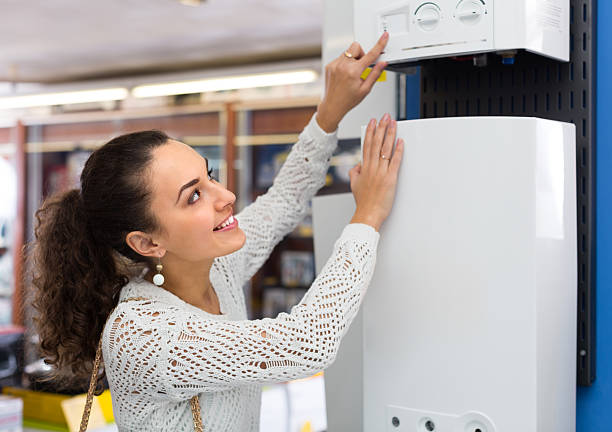
Choosing the right boiler for your home is not only about staying warm. It also affects your monthly energy costs, comfort, and how often you need repairs. Many homeowners and business owners across the United States are now paying attention to systems that use less energy and give steady performance. If you are thinking about a new installation or planning a heating boiler replacement, making the right decision can help you save money over time.
This guide explains everything in a clear and simple way so you can understand what to look for before choosing a system for your home or business.
Why Energy Efficiency Matters in Boilers
An energy efficient boiler uses less fuel to produce heat. This means your energy bills stay lower and your system works more effectively. Older boilers often lose heat through exhaust or poor design, while modern systems are built to keep more heat inside and use it properly.
For homeowners and small to medium sized businesses, this leads to lower running costs and a more comfortable indoor environment. When you combine a good system with regular water heater maintenance, the overall performance becomes even better and the system lasts longer.
Types of Energy Efficient Boilers
There are different types of boilers available, and each one works best for a certain type of property. Understanding these options makes your decision easier.
Condensing boilers are known for high efficiency. They capture heat that would normally be lost and use it again. This makes them one of the best choices for people who want to reduce energy use.
Combi boilers are compact systems that provide both heating and hot water without needing a separate tank. They are suitable for smaller homes where space is limited.
System boilers use a separate cylinder to store hot water. They are a good option for medium to large homes where more than one tap or shower may be used at the same time.
Conventional boilers are older style systems that use separate tanks for water storage. They are mostly found in older homes and are not as efficient as modern options.
Key Factors to Consider Before Buying
Before choosing a boiler, there are several important points to think about. The energy efficiency rating is one of the most important. A higher rating means the boiler uses fuel more effectively and wastes less energy.
The type of fuel is another factor. Boilers can run on gas, oil, electricity, or propane. In many parts of the United States, natural gas is a common and cost effective option, but availability can vary depending on your location.
The size of the boiler also matters. A system that is too small will not heat your space properly, while a system that is too large will waste energy. This is why professional guidance is helpful when planning a heating boiler replacement.
You should also think about the cost. While energy efficient boilers may have a higher upfront price, they often reduce monthly energy bills, which makes them a better investment in the long run.
Modern boilers also come with smart controls. These features allow you to manage temperature settings more easily and improve overall efficiency.
Signs You May Need a New Boiler
There are several signs that show your current system may need to be replaced. If your energy bills are going up without any clear reason, it could mean your boiler is losing efficiency. Uneven heating in different rooms is another common issue.
Frequent repairs are also a sign that your system is getting old. Strange noises or leaks should not be ignored. If your boiler is more than ten to fifteen years old, it may be time to consider boiler replacement services.
Upgrading to a newer system improves reliability and helps you avoid ongoing repair costs.
Understanding the Cost
The cost of a new boiler depends on the type of system and installation work. While the initial cost may seem high, the savings on energy bills and reduced maintenance often balance it over time. A well chosen system can provide steady performance for many years.
Tips to Improve Boiler Performance
Even the best boiler needs proper care. Regular servicing helps keep the system running smoothly. Cleaning vents and checking pressure levels also improve performance.
It is important to keep the entire heating system in good condition. When you combine this with regular water heater maintenance, you can avoid many common problems and extend the life of your equipment.
A well maintained system not only works better but also provides consistent comfort throughout your home or business.
Common Mistakes to Avoid
Many people make simple mistakes when choosing a boiler. Some focus only on the price and ignore efficiency. Others skip professional installation, which can lead to problems later.
Another common mistake is delaying heating boiler replacement even when the system is no longer performing well. Waiting too long can increase repair costs and reduce comfort.
Choosing the right system with proper guidance helps you avoid these issues.
Why Professional Installation Matters
Professional installation plays a big role in how well your boiler performs. Experts make sure the system is the right size and installed correctly. They also follow safety standards and local regulations.
This reduces the chances of future issues and helps the system last longer. A properly installed boiler gives better efficiency and peace of mind.
Impact on Businesses
For businesses, heating systems are not just about comfort. They also affect operating costs. An efficient boiler can help reduce expenses and maintain a stable indoor environment.
This is especially important for offices, retail spaces, and warehouses. Many companies choose boiler replacement services to upgrade old systems and improve performance.
Additional Information Source
For more details about home heating systems, you can visit the official website of the U.S. Department of Energy, which provides helpful and reliable information.
Conclusion
Are you dealing with high energy bills and an old heating system that no longer performs well? Choosing a modern and energy efficient boiler can improve comfort and reduce long term costs. The right system depends on your space, usage, and budget. Getting help from experienced professionals makes the process easier and more reliable.
If you are thinking about heating boiler replacement or need trusted boiler replacement services, Steel Hill Plumbing and Heating is a reliable choice. They are known for quality plumbing service and practical solutions that match different needs.
Frequently Asked Questions
1. What is the most energy efficient boiler for home use?
Condensing boilers are the most energy efficient because they reuse heat that would otherwise be wasted.
2. How long does a boiler last?
A boiler usually lasts around ten to fifteen years, depending on usage and maintenance.
3. Are energy efficient boilers worth the cost?
Yes, they help reduce energy bills and require fewer repairs, making them a good long term investment.
4. Which boiler is best for small homes?
Combi boilers are ideal for small homes as they are compact and provide both heating and hot water.
5. What are signs that I need a new boiler?
High energy bills, uneven heating, frequent repairs, and unusual noises are common signs.
6. How can I improve my boiler’s efficiency?
Regular servicing, proper temperature control, and maintaining the system can improve performance and lifespan.