
How to Select an Energy-Efficient Boiler for Your Home?
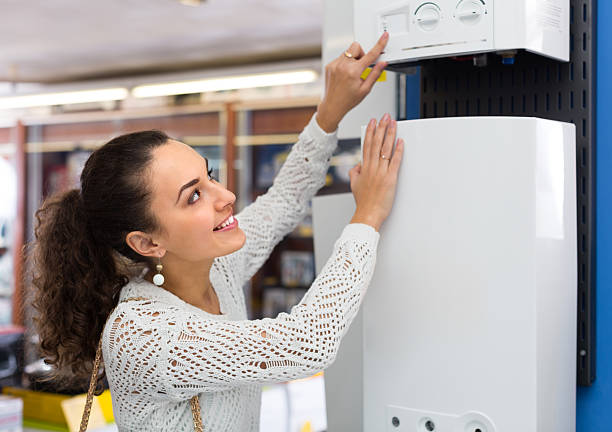
Choosing the right boiler for your home is not only about staying warm. It also affects your monthly energy costs, comfort, and how often you need repairs. Many homeowners and business owners across the United States are now paying attention to systems that use less energy and give steady performance. If you are thinking about a new installation or planning a heating boiler replacement, making the right decision can help you save money over time. This guide explains everything in a clear and simple way so you can understand what to look for before choosing a system for your home or business. Why Energy Efficiency Matters in Boilers An energy efficient boiler uses less fuel to produce heat. This means your energy bills stay lower and your system works more effectively. Older boilers often lose heat through exhaust or poor design, while modern systems are built to keep more heat inside and use it properly. For homeowners and small to medium sized businesses, this leads to lower running costs and a more comfortable indoor environment. When you combine a good system with regular water heater maintenance, the overall performance becomes even better and the system lasts longer. Types of Energy Efficient Boilers There are different types of boilers available, and each one works best for a certain type of property. Understanding these options makes your decision easier. Condensing boilers are known for high efficiency. They capture heat that would normally be lost and use it again. This makes them one of the best choices for people who want to reduce energy use. Combi boilers are compact systems that provide both heating and hot water without needing a separate tank. They are suitable for smaller homes where space is limited. System boilers use a separate cylinder to store hot water. They are a good option for medium to large homes where more than one tap or shower may be used at the same time. Conventional boilers are older style systems that use separate tanks for water storage. They are mostly found in older homes and are not as efficient as modern options. Key Factors to Consider Before Buying Before choosing a boiler, there are several important points to think about. The energy efficiency rating is one of the most important. A higher rating means the boiler uses fuel more effectively and wastes less energy. The type of fuel is another factor. Boilers can run on gas, oil, electricity, or propane. In many parts of the United States, natural gas is a common and cost effective option, but availability can vary depending on your location. The size of the boiler also matters. A system that is too small will not heat your space properly, while a system that is too large will waste energy. This is why professional guidance is helpful when planning a heating boiler replacement. You should also think about the cost. While energy efficient boilers may have a higher upfront price, they often reduce monthly energy bills, which makes them a better investment in the long run. Modern boilers also come with smart controls. These features allow you to manage temperature settings more easily and improve overall efficiency. Signs You May Need a New Boiler There are several signs that show your current system may need to be replaced. If your energy bills are going up without any clear reason, it could mean your boiler is losing efficiency. Uneven heating in different rooms is another common issue. Frequent repairs are also a sign that your system is getting old. Strange noises or leaks should not be ignored. If your boiler is more than ten to fifteen years old, it may be time to consider boiler replacement services. Upgrading to a newer system improves reliability and helps you avoid ongoing repair costs. Understanding the Cost The cost of a new boiler depends on the type of system and installation work. While the initial cost may seem high, the savings on energy bills and reduced maintenance often balance it over time. A well chosen system can provide steady performance for many years. Tips to Improve Boiler Performance Even the best boiler needs proper care. Regular servicing helps keep the system running smoothly. Cleaning vents and checking pressure levels also improve performance. It is important to keep the entire heating system in good condition. When you combine this with regular water heater maintenance, you can avoid many common problems and extend the life of your equipment. A well maintained system not only works better but also provides consistent comfort throughout your home or business. Common Mistakes to Avoid Many people make simple mistakes when choosing a boiler. Some focus only on the price and ignore efficiency. Others skip professional installation, which can lead to problems later. Another common mistake is delaying heating boiler replacement even when the system is no longer performing well. Waiting too long can increase repair costs and reduce comfort. Choosing the right system with proper guidance helps you avoid these issues. Why Professional Installation Matters Professional installation plays a big role in how well your boiler performs. Experts make sure the system is the right size and installed correctly. They also follow safety standards and local regulations. This reduces the chances of future issues and helps the system last longer. A properly installed boiler gives better efficiency and peace of mind. Impact on Businesses For businesses, heating systems are not just about comfort. They also affect operating costs. An efficient boiler can help reduce expenses and maintain a stable indoor environment. This is especially important for offices, retail spaces, and warehouses. Many companies choose boiler replacement services to upgrade old systems and improve performance. Additional Information Source For more details about home heating systems, you can visit the official website of the U.S. Department of Energy, which provides helpful and reliable information. Conclusion Are you dealing with high energy bills and an old heating system that no longer performs well? Choosing a modern and energy efficient boiler
What is the Best Boiler Replacement Option for Cold U.S. Climates?

When cold weather settles in and the temperature drops, having a dependable boiler is essential. For business owners, property managers, and local facility operators across the colder parts of the United States, the right heating boiler replacement can make a major difference. It is not only about keeping the space warm but also about reducing energy bills and maintaining long term comfort during freezing conditions. This guide explains how to choose the best boiler replacement for cold climates, which options perform best, and what factors to consider before making a decision. Why Replacing an Old Boiler is Important If your current boiler is old or inefficient, you are likely spending more than necessary on heating. Many older boilers operate at only about sixty to seventy percent efficiency, meaning much of the fuel you pay for is lost through the exhaust. Modern boilers are designed to use fuel far more effectively. Some new systems reach efficiency ratings above ninety percent, giving you more heat from the same amount of fuel. According to energy.gov, upgrading to a high efficiency boiler can reduce heating costs and energy waste significantly. For business owners and property managers, an upgrade is not just a comfort decision. It is also a practical way to manage costs and ensure consistent performance throughout harsh winter months. Things to Check Before Choosing a Heating Boiler Replacement Selecting the right heating boiler replacement involves more than just comparing prices. You need to think about how your building operates, the available energy sources, and your long term goals. Fuel Availability Check which type of fuel is accessible in your area. Natural gas is usually the most affordable, but if it is not available, you may consider propane, oil, or electricity. Efficiency Rating (AFUE) AFUE stands for Annual Fuel Utilization Efficiency. It measures how much fuel actually turns into usable heat. The higher the number, the better the performance and savings. Boiler Type Different systems like condensing, standard, or combination (combi) boilers offer different benefits. Choose based on your heating system and hot water needs. Size of the Building A small office or retail space requires a smaller system than a large warehouse or apartment building. Choosing the correct size prevents wasted energy and ensures consistent comfort. Maintenance Needs All boilers require yearly boiler repair and maintenance to keep them efficient and safe. Some high efficiency systems may also require periodic checks for venting and drainage. Cost vs Savings A high efficiency boiler might cost more at first, but it usually pays for itself over time through lower energy bills. The Best Boiler Options for Cold U.S. Climates Condensing Boilers A condensing boiler is one of the most energy efficient options for cold climates. It captures and reuses heat that would normally escape through exhaust gases, turning nearly all of the fuel energy into heat for your space. Why it is a good choice Condensing boilers can reach up to ninety eight percent efficiency, reducing heating costs while delivering steady warmth even in freezing weather. They are also more environmentally friendly, releasing fewer emissions. Best for Medium or large buildings that use hydronic heating or radiator systems. What to know Installation may require updates to venting and drainage, but the benefits in efficiency make it a worthwhile investment. Oil Fired Boilers If your building does not have access to natural gas, an oil fired boiler can be a strong alternative. Why it is a good choice These boilers provide powerful heat output, making them suitable for cold areas. Modern versions are much more efficient than older models and can offer reliable performance through long winters. Best for Buildings in rural or remote locations where natural gas is unavailable. What to know Oil boilers require more frequent maintenance, and oil prices can vary depending on market conditions. Combination Boilers A combi boiler provides both heating and hot water in one compact unit. This makes it convenient for buildings that need both functions but have limited space. Why it is a good choice Combi boilers save room and are energy efficient for smaller commercial spaces or multi unit properties. They are easy to install and deliver both hot water and warmth without needing a separate tank. Best for Small businesses, offices, or retail stores with limited space. What to know Combi boilers are best for moderate heating demand. In larger buildings or very cold regions, they may not produce enough heat and hot water simultaneously. High Efficiency Hydronic Boilers A high efficiency hydronic boiler uses hot water to distribute heat through radiators or in floor systems. This method provides even warmth and steady comfort throughout the building. Why it is a good choice Hydronic systems deliver consistent heat, avoid cold spots, and operate quietly. They also help maintain indoor humidity levels better than forced air systems. Best for Older buildings that already have radiators or medium sized facilities that need reliable and efficient heat. What to know Installation might involve some pipe adjustments, but it is often easier than installing a full duct based heating system. Are Heat Pumps a Better Option? Some property owners wonder if heat pumps can replace boilers in cold climates. In some cases, yes, but not always. Modern cold climate heat pumps have improved, and they can perform well in areas with milder winters. However, in regions where temperatures stay below freezing for long periods, boilers are usually a better choice. Heat pumps can also cost more to operate where electricity rates are high. If your property already uses a hydronic heating system, switching to a heat pump might also require major renovations, which adds cost. For most cold U.S. areas, a high efficiency boiler is still the most reliable and cost effective option. Why Regular Maintenance is Essential Once you have installed your heating boiler replacement, maintenance should become part of your regular routine. Keeping up with boiler repair and maintenance ensures the system runs smoothly, saves energy, and lasts longer. Regular service helps prevent costly breakdowns and
How to Choose the Right Boiler for Your Home’s Heating Needs?
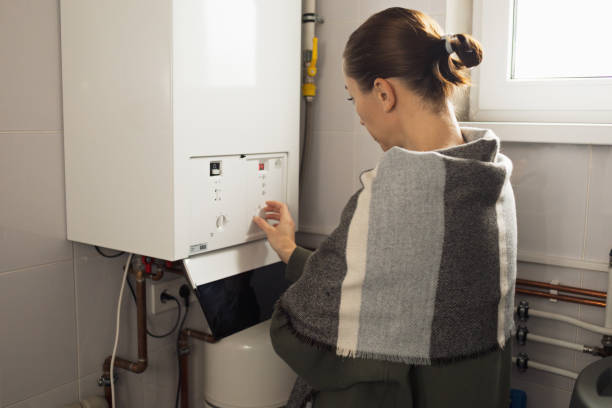
Upgrading your home heating system is one of the smartest steps you can take to save money and increase comfort. If your boiler is old, inefficient, or breaking down often, switching to a modern, energy‑efficient model can make a big difference. In this article, we will guide you through the latest options for central heating boiler replacement in U.S. homes and explain how to choose the right solution for your property. Why Updating Your Boiler Matters Older boilers, whether they run on gas or oil, often waste a lot of energy. Many of them have efficiency levels of only 56 to 70 percent. This means a large portion of the fuel is lost as heat that never warms your home. Modern high-efficiency and condensing boilers can achieve efficiency levels between 90 and 98 percent. They convert most of the fuel into usable heat, helping homeowners save on energy bills and reduce their carbon footprint. If your boiler is more than 15 years old, replacing it with a new model can reduce heating costs, improve home comfort, and minimize environmental impact. Upgrading also adds reliability, so you do not have to worry about unexpected breakdowns during the coldest months. Top Features for Replacing Your Heating Boiler When considering a heating boiler replacement, it is important to look at certain features to ensure your investment pays off. Efficiency Rating Look for boilers with high AFUE, which stands for Annual Fuel Utilization Efficiency. A higher rating means the boiler turns more fuel into heat instead of losing it through exhaust. Condensing Technology Condensing boilers capture heat from exhaust gases and reuse it, making the system much more efficient than older models. Sealed Combustion and Proper Venting Modern boilers often use sealed-combustion systems. They draw air from outside for combustion and safely vent exhaust gases, improving both safety and energy efficiency. Correct Sizing Choosing the right size is critical. A boiler that is too large or too small will not work efficiently. It should match the heating needs of your home. Fuel Type Gas, propane, and oil are the most common options. Each has its advantages depending on availability and cost in your area. Popular Energy-Efficient Boiler Options Here are the main types of boilers that homeowners are choosing for energy savings and comfort. Condensing Gas Boilers Condensing gas boilers are currently the most efficient option for most homes. They use a secondary heat exchanger to recover heat from exhaust gases, which would normally be wasted. These boilers often reach efficiency levels between 90 and 98 percent. They include stainless steel heat exchangers and modern controls that adjust fuel use based on heating demand. This means lower fuel consumption and reduced environmental impact. Switching from an older gas boiler to a condensing model can save between 13 and 30 percent on heating fuel. ENERGY STAR Gas and Propane Boilers ENERGY STAR-certified boilers meet strict efficiency standards. Gas-fired and propane models usually have efficiency levels above 90 percent. These boilers are easier to install in existing homes and often include modern safety features. They provide a balance between cost, performance, and energy savings. Oil-Fired High-Efficiency Boilers For homes without access to gas, high-efficiency oil boilers are a practical option. These boilers can achieve up to 87 percent efficiency, which is much higher than older oil units. Replacing an old oil boiler with a new high-efficiency model can significantly lower heating bills and reduce fuel waste. Integrated Boilers with Hot Water and Smart Controls Some modern boilers combine heating, hot water production, and smart controls. These systems are ideal for homes that need both space heating and hot water. They are compact, efficient, and offer better control over energy use. For homeowners looking for new boiler installation, these combined systems provide a modern and convenient solution. When Should You Replace Your Boiler? Replacing your boiler is not always necessary, but in many cases, it is the most practical choice. You should consider replacement if your boiler is more than 15 to 20 years old, frequently breaks down, or has low efficiency. Upgrading is also a good idea if you are remodeling your home, improving insulation, or want to reduce your energy costs and environmental impact. If your current boiler is relatively new, well-maintained, and suits your home’s needs, you may only need to optimize your heating system or add insulation to reduce costs. Steps for a Smooth Heating Boiler Replacement To ensure a successful heating boiler replacement, follow these steps: Common Misunderstandings About Boilers Some homeowners have misconceptions about modern boilers. All new boilers are efficient. This is not always true. Some mid-efficiency boilers operate at 80 to 86 percent efficiency. Electric boilers are always better. While they can have high efficiency, electricity costs often make them expensive to run. Bigger boilers are better. Oversized boilers waste fuel and reduce efficiency. Correct sizing is essential. Condensing boilers are hard to maintain. While they are more advanced, the fuel savings and comfort improvements outweigh any slightly higher maintenance requirements. Who Should Upgrade Homeowners who should consider upgrading include those with old or inefficient boilers, those planning home renovations, and those wanting to reduce their environmental impact and fuel costs. Installing a modern, high-efficiency boiler ensures comfort, savings, and peace of mind for years to come. Conclusion Are you considering upgrading your home heating system to save money and increase comfort? Choosing a modern, energy-efficient boiler for central heating boiler replacement is one of the best ways to lower heating costs and improve reliability. Steel Hill Plumbing & Heating is a trusted company that provides expert boiler replacement services. They specialize in new boiler installation, new gas boiler installation, and full-service heating system upgrades. With their experience, your home will enjoy better comfort, energy efficiency, and long-term savings. Contact us today to schedule a consultation and start your journey to a more energy-efficient home. FAQs What is AFUE and why is it important? AFUE stands for Annual Fuel Utilization Efficiency. It measures how much fuel is converted