
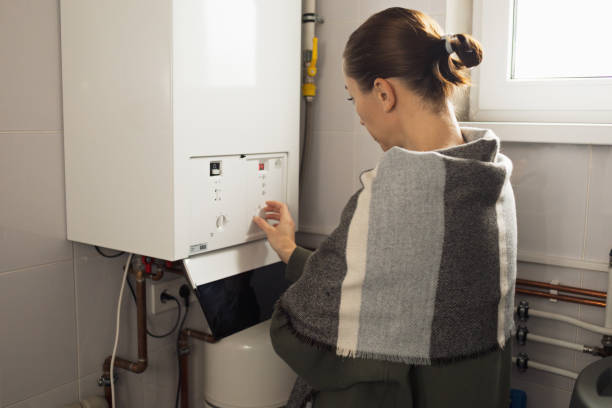
Upgrading your home heating system is one of the smartest steps you can take to save money and increase comfort. If your boiler is old, inefficient, or breaking down often, switching to a modern, energy‑efficient model can make a big difference. In this article, we will guide you through the latest options for central heating boiler replacement in U.S. homes and explain how to choose the right solution for your property.
Why Updating Your Boiler Matters
Older boilers, whether they run on gas or oil, often waste a lot of energy. Many of them have efficiency levels of only 56 to 70 percent. This means a large portion of the fuel is lost as heat that never warms your home.
Modern high-efficiency and condensing boilers can achieve efficiency levels between 90 and 98 percent. They convert most of the fuel into usable heat, helping homeowners save on energy bills and reduce their carbon footprint.
If your boiler is more than 15 years old, replacing it with a new model can reduce heating costs, improve home comfort, and minimize environmental impact. Upgrading also adds reliability, so you do not have to worry about unexpected breakdowns during the coldest months.
Top Features for Replacing Your Heating Boiler
When considering a heating boiler replacement, it is important to look at certain features to ensure your investment pays off.
Efficiency Rating
Look for boilers with high AFUE, which stands for Annual Fuel Utilization Efficiency. A higher rating means the boiler turns more fuel into heat instead of losing it through exhaust.
Condensing Technology
Condensing boilers capture heat from exhaust gases and reuse it, making the system much more efficient than older models.
Sealed Combustion and Proper Venting
Modern boilers often use sealed-combustion systems. They draw air from outside for combustion and safely vent exhaust gases, improving both safety and energy efficiency.
Correct Sizing
Choosing the right size is critical. A boiler that is too large or too small will not work efficiently. It should match the heating needs of your home.
Fuel Type
Gas, propane, and oil are the most common options. Each has its advantages depending on availability and cost in your area.
Popular Energy-Efficient Boiler Options
Here are the main types of boilers that homeowners are choosing for energy savings and comfort.
Condensing Gas Boilers
Condensing gas boilers are currently the most efficient option for most homes. They use a secondary heat exchanger to recover heat from exhaust gases, which would normally be wasted.
These boilers often reach efficiency levels between 90 and 98 percent. They include stainless steel heat exchangers and modern controls that adjust fuel use based on heating demand. This means lower fuel consumption and reduced environmental impact.
Switching from an older gas boiler to a condensing model can save between 13 and 30 percent on heating fuel.
ENERGY STAR Gas and Propane Boilers
ENERGY STAR-certified boilers meet strict efficiency standards. Gas-fired and propane models usually have efficiency levels above 90 percent.
These boilers are easier to install in existing homes and often include modern safety features. They provide a balance between cost, performance, and energy savings.
Oil-Fired High-Efficiency Boilers
For homes without access to gas, high-efficiency oil boilers are a practical option. These boilers can achieve up to 87 percent efficiency, which is much higher than older oil units.
Replacing an old oil boiler with a new high-efficiency model can significantly lower heating bills and reduce fuel waste.
Integrated Boilers with Hot Water and Smart Controls
Some modern boilers combine heating, hot water production, and smart controls. These systems are ideal for homes that need both space heating and hot water.
They are compact, efficient, and offer better control over energy use. For homeowners looking for new boiler installation, these combined systems provide a modern and convenient solution.
When Should You Replace Your Boiler?
Replacing your boiler is not always necessary, but in many cases, it is the most practical choice.
You should consider replacement if your boiler is more than 15 to 20 years old, frequently breaks down, or has low efficiency. Upgrading is also a good idea if you are remodeling your home, improving insulation, or want to reduce your energy costs and environmental impact.
If your current boiler is relatively new, well-maintained, and suits your home’s needs, you may only need to optimize your heating system or add insulation to reduce costs.
Steps for a Smooth Heating Boiler Replacement
To ensure a successful heating boiler replacement, follow these steps:
- Get a home energy audit to check insulation, windows, and heating needs.
- Choose the right fuel type for your area and home setup.
- Look for high-efficiency boilers with AFUE above 90 percent and consider condensing technology.
- Ensure installation requirements like venting and piping are met.
- Compare total cost and long-term savings. High-efficiency boilers save money over time despite higher upfront costs.
- Work with a qualified installer to guarantee safe and correct installation.
Common Misunderstandings About Boilers
Some homeowners have misconceptions about modern boilers.
All new boilers are efficient. This is not always true. Some mid-efficiency boilers operate at 80 to 86 percent efficiency.
Electric boilers are always better. While they can have high efficiency, electricity costs often make them expensive to run.
Bigger boilers are better. Oversized boilers waste fuel and reduce efficiency. Correct sizing is essential.
Condensing boilers are hard to maintain. While they are more advanced, the fuel savings and comfort improvements outweigh any slightly higher maintenance requirements.
Who Should Upgrade
Homeowners who should consider upgrading include those with old or inefficient boilers, those planning home renovations, and those wanting to reduce their environmental impact and fuel costs. Installing a modern, high-efficiency boiler ensures comfort, savings, and peace of mind for years to come.
Conclusion
Are you considering upgrading your home heating system to save money and increase comfort? Choosing a modern, energy-efficient boiler for central heating boiler replacement is one of the best ways to lower heating costs and improve reliability.
Steel Hill Plumbing & Heating is a trusted company that provides expert boiler replacement services. They specialize in new boiler installation, new gas boiler installation, and full-service heating system upgrades. With their experience, your home will enjoy better comfort, energy efficiency, and long-term savings.
Contact us today to schedule a consultation and start your journey to a more energy-efficient home.
FAQs
What is AFUE and why is it important?
AFUE stands for Annual Fuel Utilization Efficiency. It measures how much fuel is converted into heat. Higher AFUE means lower fuel waste and lower heating costs.
Are condensing boilers always better?
Yes, if installed correctly. They recover heat from exhaust gases and can reach efficiency levels up to 98 percent.
Can I just improve insulation instead of replacing the boiler?
Improving insulation helps, but if your boiler is very old or inefficient, a replacement will likely save more money in the long run.
Are high-efficiency boilers more expensive to install?
They can cost more upfront and may require new venting or piping. However, lower energy bills and better comfort usually make up for the cost over time.
What is the best option for a complete heating system upgrade?
A condensing gas boiler with ENERGY STAR certification, properly sized for your home, along with modern controls and insulation improvements, provides the best combination of savings, comfort, and reliability.