
What is the Average Lifespan of a Water Heater in Rockland, MA Homes?

If you live or run a business in Rockland, MA, one common question is how long a water heater will last. The answer depends on the type of water heater, how it is installed, and how well it is maintained. Local factors like water quality and usage patterns also play an important role. This guide will explain the average lifespan of different water heaters, the signs that a system is wearing out, and tips for choosing the right water heater installation in Rockland, MA. You will also learn how tankless water heater installation in Rockland, MA can make a difference for your home or business. How Long Do Water Heaters Usually Last? Different water heater types have different life expectancies. Traditional tank water heaters usually last between 8 and 12 years. Electric water heaters can last slightly longer, up to 10 to 15 years because they do not face the same wear from combustion. Tankless water heaters, on the other hand, can last 15 to 20 years or more because they only heat water when it is needed and are less prone to corrosion. Traditional tank systems are simple and effective but tend to wear out faster. Electric tanks last a little longer because they avoid the stress of burning fuel. Tankless water heaters offer the longest life and are ideal for people looking for long-term savings and efficiency. Understanding these ranges can help you plan for replacement and avoid unexpected breakdowns while ensuring smooth water heater installation in Rockland, MA. Why Lifespan Matters for Rockland Homes and Businesses In Rockland, MA, water heaters face specific challenges. Mineral content in water varies by location, winters are cold, and households or businesses may have high hot water demands. These conditions affect how hard a water heater must work and how long it lasts. A poorly installed or improperly maintained unit may fail much earlier than expected. Regular upkeep and professional installation can help your water heater reach the upper end of its lifespan. Factors That Affect How Long a Water Heater Lasts Several factors influence the life of a water heater. Knowing them can help you get the most out of your system. Installation Quality A water heater installed correctly by a professional will last longer. Improper installation can lead to uneven pressure, poor venting, and extra stress on the system. A good installer will choose the right size, follow code requirements, and ensure the unit works properly from the start. Water Quality Hard water contains minerals that build up inside water heaters. In tank systems, this can form sediment that reduces efficiency and leads to corrosion. In tankless systems, mineral buildup can slow down heating and require more frequent service. Adding a water softener or scheduling regular maintenance can protect your water heater and extend its life. Usage Patterns Homes or businesses with high hot water demand wear out water heaters faster. Large families or commercial kitchens may require more robust systems and could benefit from tankless water heater installation in Rockland, MA for continuous hot water without overworking the system. Regular Maintenance Routine inspections and maintenance are essential. Flushing tank water heaters, checking anode rods, and descaling tankless units can prevent buildup and corrosion. Proper care helps your system reach or even exceed its expected lifespan. Signs Your Water Heater Needs Replacement Even if your water heater is not old, you might notice it is starting to fail. Look out for: Noticing these early allows you to plan a replacement before a sudden breakdown disrupts your home or business. Tankless vs Traditional Water Heaters Tank water heaters are the most common type and are often more affordable upfront. Tankless water heaters take up less space, provide hot water on demand, and last much longer. Many Rockland homeowners and business owners find that the higher initial cost of a tankless system is worthwhile because it provides long-term savings, reduces replacement frequency, and delivers reliable hot water. Planning for a Replacement If your water heater is reaching its typical lifespan, it is wise to plan for replacement instead of waiting for it to fail. Here are some steps to consider: Planning ahead ensures your home or business continues to have hot water without interruptions. Costs to Consider Over Time Replacing a water heater can vary in cost depending on the type and size of the unit. Traditional tanks are cheaper upfront but may require more frequent replacement. Tankless water heaters cost more at first but last longer, require less frequent replacement, and save energy over time. For small to medium-sized businesses, homeowners, and local facilities, balancing upfront cost with long-term efficiency and lifespan is essential. Maintenance Tips to Make Your Water Heater Last Longer To get the most life from your water heater, consider these tips: Routine maintenance will not stop every issue but can significantly extend the useful life of your water heater. Conclusion Are you wondering if your water heater in Rockland, MA is still reliable? Most units last 8 to 20 years depending on type and care. Planning for replacement ensures you avoid sudden breakdowns, wasted energy, and unexpected costs. For dependable water heater installation in Rockland, MA, including tankless water heater installation, Steel Hill Plumbing & Heating offers professional service for homes and businesses. Their experience ensures you get the right system installed correctly and maintained properly for years of reliable hot water. Contact US today for a consultation and professional installation quote from a trusted local team. Frequently Asked Questions (FAQs) Q1: How long does a water heater usually last in Rockland, MA? Most traditional tank water heaters last about 8 to 12 years, while tankless systems can last 15 to 20 years or more with proper care. Q2: How do I know when to replace my water heater? Look for leaks, rust, noises, or reduced hot water supply. If your unit is reaching the end of its expected lifespan, replacement is usually more cost-effective than repairing it. Q3: Does maintenance really make a difference?
How Smart Diagnostics in Tankless Water Heaters Can Predict Failures?

Reliable hot water is something most business owners only notice when it suddenly stops working. In the United States, unexpected water heater problems can slow daily operations and lead to costly service calls. Modern systems now include smart diagnostics that help detect issues early and reduce the need for urgent tankless water heater repair. This article explains how these systems work, why they matter to businesses, and how they support long term system care. What Are Smart Diagnostics in Tankless Water Heaters? Smart diagnostics are built in digital features found in newer tankless systems. These features use sensors and internal software to track how the unit operates during daily use. The system watches for changes in temperature control, water flow, energy use, and component performance. Unlike older systems that only show problems after failure, smart diagnostics work continuously. When something begins to operate outside its normal range, the system records the behavior and alerts technicians. This makes tankless water heater repair more proactive instead of reactive. Why Early Detection Matters for Businesses Businesses that depend on hot water such as restaurants, hotels, medical offices, and service facilities cannot afford downtime. Smart diagnostics help owners stay ahead of problems before service is interrupted. Spotting minor issues early Small changes in temperature stability or performance often appear weeks before a breakdown. Smart diagnostics identify these changes early. Reducing emergency service calls By catching issues in advance, scheduled tankless water heater repair becomes possible. This avoids high emergency service costs. Better system planning For businesses managing multiple properties, diagnostics help decide which systems need attention first. This extends equipment life and supports smarter budgeting. How Smart Diagnostics Predict System Failures Continuous system tracking The heater constantly monitors internal activity including water flow levels, heating cycles, and energy draw. When readings differ from normal behavior, the system flags the issue. Pattern recognition over time The system learns how the unit normally performs during busy and slow periods. When patterns shift, the system identifies potential future failures. Automatic alerts Many systems send notifications directly to technicians or business owners. Alerts allow repairs to be scheduled before performance drops. This approach helps keep tankless water heater maintenance consistent and effective. Common Problems Smart Diagnostics Can Identify These insights help technicians perform precise tankless water heater repair instead of unnecessary part replacement. How Smart Diagnostics Improve Maintenance Results Smart diagnostics make routine service more accurate. Technicians can review system data before arriving, allowing them to focus on real issues instead of guesswork. Regular tankless water heater maintenance often includes internal cleaning, system flushing, sensor checks, and performance testing. Diagnostics confirm when these steps are needed, helping systems operate efficiently for longer periods. Using Diagnostic Data to Make Better Business Decisions For companies that rely on steady hot water, these advantages support smoother operations and customer satisfaction. Long Term Cost Benefits of Smart Diagnostics While systems with smart diagnostics may cost more initially, they often save money over time. When paired with professional tankless water heater installation service, smart diagnostics deliver long term value for business owners. Conclusion Have you ever wished you could fix a problem before it disrupted your business? Smart diagnostics make that possible by providing early warnings and clearer maintenance planning. When combined with professional service and regular tankless water heater maintenance, these systems help businesses avoid costly surprises. For dependable tankless water heater repair service, Steel Hill Plumbing & Heating is trusted by local businesses for their experience, timely service, and understanding of modern water heating technology. Their team also supports proper system setup through expert tankless water heater installation service, ensuring long term reliability. Contact US today to protect your water heating system and keep your business running without interruption. Frequently Asked Questions What does smart diagnostic technology monitor It tracks system behavior including temperature stability, flow performance, and energy use. Can smart diagnostics prevent every failure No system can prevent all problems, but it significantly reduces unexpected breakdowns. Do alerts require professional review Yes trained technicians interpret alerts and determine if tankless water heater repair is needed. Do diagnostics affect warranties Most manufacturers support diagnostic monitoring as it encourages proper maintenance. Can older systems use smart diagnostics Some older units allow upgrades, but full benefits come with newer systems.
How to Choose the Right Boiler for Your Home’s Heating Needs?
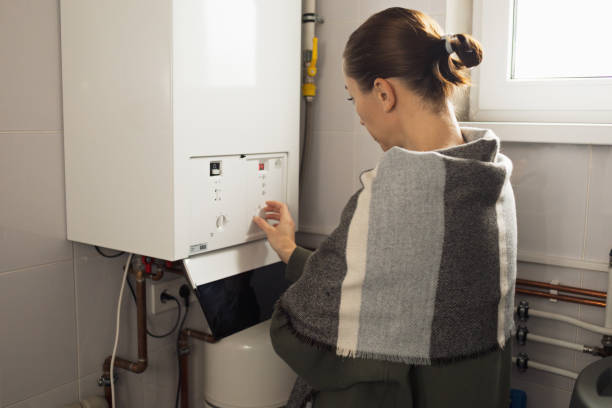
Upgrading your home heating system is one of the smartest steps you can take to save money and increase comfort. If your boiler is old, inefficient, or breaking down often, switching to a modern, energy‑efficient model can make a big difference. In this article, we will guide you through the latest options for central heating boiler replacement in U.S. homes and explain how to choose the right solution for your property. Why Updating Your Boiler Matters Older boilers, whether they run on gas or oil, often waste a lot of energy. Many of them have efficiency levels of only 56 to 70 percent. This means a large portion of the fuel is lost as heat that never warms your home. Modern high-efficiency and condensing boilers can achieve efficiency levels between 90 and 98 percent. They convert most of the fuel into usable heat, helping homeowners save on energy bills and reduce their carbon footprint. If your boiler is more than 15 years old, replacing it with a new model can reduce heating costs, improve home comfort, and minimize environmental impact. Upgrading also adds reliability, so you do not have to worry about unexpected breakdowns during the coldest months. Top Features for Replacing Your Heating Boiler When considering a heating boiler replacement, it is important to look at certain features to ensure your investment pays off. Efficiency Rating Look for boilers with high AFUE, which stands for Annual Fuel Utilization Efficiency. A higher rating means the boiler turns more fuel into heat instead of losing it through exhaust. Condensing Technology Condensing boilers capture heat from exhaust gases and reuse it, making the system much more efficient than older models. Sealed Combustion and Proper Venting Modern boilers often use sealed-combustion systems. They draw air from outside for combustion and safely vent exhaust gases, improving both safety and energy efficiency. Correct Sizing Choosing the right size is critical. A boiler that is too large or too small will not work efficiently. It should match the heating needs of your home. Fuel Type Gas, propane, and oil are the most common options. Each has its advantages depending on availability and cost in your area. Popular Energy-Efficient Boiler Options Here are the main types of boilers that homeowners are choosing for energy savings and comfort. Condensing Gas Boilers Condensing gas boilers are currently the most efficient option for most homes. They use a secondary heat exchanger to recover heat from exhaust gases, which would normally be wasted. These boilers often reach efficiency levels between 90 and 98 percent. They include stainless steel heat exchangers and modern controls that adjust fuel use based on heating demand. This means lower fuel consumption and reduced environmental impact. Switching from an older gas boiler to a condensing model can save between 13 and 30 percent on heating fuel. ENERGY STAR Gas and Propane Boilers ENERGY STAR-certified boilers meet strict efficiency standards. Gas-fired and propane models usually have efficiency levels above 90 percent. These boilers are easier to install in existing homes and often include modern safety features. They provide a balance between cost, performance, and energy savings. Oil-Fired High-Efficiency Boilers For homes without access to gas, high-efficiency oil boilers are a practical option. These boilers can achieve up to 87 percent efficiency, which is much higher than older oil units. Replacing an old oil boiler with a new high-efficiency model can significantly lower heating bills and reduce fuel waste. Integrated Boilers with Hot Water and Smart Controls Some modern boilers combine heating, hot water production, and smart controls. These systems are ideal for homes that need both space heating and hot water. They are compact, efficient, and offer better control over energy use. For homeowners looking for new boiler installation, these combined systems provide a modern and convenient solution. When Should You Replace Your Boiler? Replacing your boiler is not always necessary, but in many cases, it is the most practical choice. You should consider replacement if your boiler is more than 15 to 20 years old, frequently breaks down, or has low efficiency. Upgrading is also a good idea if you are remodeling your home, improving insulation, or want to reduce your energy costs and environmental impact. If your current boiler is relatively new, well-maintained, and suits your home’s needs, you may only need to optimize your heating system or add insulation to reduce costs. Steps for a Smooth Heating Boiler Replacement To ensure a successful heating boiler replacement, follow these steps: Common Misunderstandings About Boilers Some homeowners have misconceptions about modern boilers. All new boilers are efficient. This is not always true. Some mid-efficiency boilers operate at 80 to 86 percent efficiency. Electric boilers are always better. While they can have high efficiency, electricity costs often make them expensive to run. Bigger boilers are better. Oversized boilers waste fuel and reduce efficiency. Correct sizing is essential. Condensing boilers are hard to maintain. While they are more advanced, the fuel savings and comfort improvements outweigh any slightly higher maintenance requirements. Who Should Upgrade Homeowners who should consider upgrading include those with old or inefficient boilers, those planning home renovations, and those wanting to reduce their environmental impact and fuel costs. Installing a modern, high-efficiency boiler ensures comfort, savings, and peace of mind for years to come. Conclusion Are you considering upgrading your home heating system to save money and increase comfort? Choosing a modern, energy-efficient boiler for central heating boiler replacement is one of the best ways to lower heating costs and improve reliability. Steel Hill Plumbing & Heating is a trusted company that provides expert boiler replacement services. They specialize in new boiler installation, new gas boiler installation, and full-service heating system upgrades. With their experience, your home will enjoy better comfort, energy efficiency, and long-term savings. Contact us today to schedule a consultation and start your journey to a more energy-efficient home. FAQs What is AFUE and why is it important? AFUE stands for Annual Fuel Utilization Efficiency. It measures how much fuel is converted
Why is Tankless Water Heater Replacement Becoming More Popular?

Many business owners today are looking for better ways to save money and improve efficiency. Whether you run a small company, an online store, or a local business in Rockland or other parts of the United States, one area that often goes unnoticed is your water heating system. More and more people are switching to tankless water heater replacement because it offers better performance, energy savings, and reliability compared to traditional tank models. This growing trend is not just about upgrading to something new. It is about using a smarter system that provides continuous hot water, saves energy, and lasts longer. Let’s explore why so many homeowners and businesses are making this switch and how it can benefit you, too. What Is a Tankless Water Heater? A tankless water heater is different from the old-style water heaters that store gallons of hot water in a large tank. Instead, it heats water only when you turn on the faucet. When cold water passes through the unit, a powerful heating element quickly warms it up and delivers it to your tap or shower. This means there is no waiting for a full tank to heat up, and there is no energy wasted keeping water hot all day long. You only use power when hot water is needed. This technology not only helps reduce bills but also makes your daily water use more efficient. You can read more about this system on energy.gov. Why More People Are Replacing Traditional Heaters With Tankless Systems There are many reasons why tankless water heater replacement is becoming more popular across the country. Here are some of the most important ones. 1. Better Energy Efficiency and Lower Utility Bills One of the biggest advantages of switching to a tankless unit is energy savings. According to the U.S. Department of Energy, tankless heaters can be up to 34 percent more efficient than standard storage models. They do not waste power heating water that sits unused in a tank. For businesses or families who use hot water throughout the day, this efficiency can lead to noticeable savings on monthly utility bills. Over time, the cost difference between a tankless system and a traditional one pays off through reduced energy use. 2. Longer Life and Fewer Problems Another major reason people choose tankless systems is durability. Regular tank water heaters typically last between ten and fifteen years before they start to leak or rust. In contrast, a tankless water heater can last twenty years or longer if properly maintained. With fewer parts that can fail and no large tank that corrodes, this system offers more dependable performance. For busy companies, that means fewer repairs and less downtime. When the hot water system keeps running smoothly, your business does too. 3. Saves Space and Allows Flexible Installation Traditional water heaters can take up a lot of room. A tankless system, on the other hand, is much smaller and can be mounted on a wall. That gives you extra space in utility rooms, garages, or closets. For small businesses or homes where every square foot matters, this is a big advantage. The compact design also gives you more flexibility to place the unit where it best fits your building layout. 4. Endless Hot Water Supply Many people love the fact that a tankless system never runs out of hot water. It heats water instantly and keeps producing it for as long as you need. This is especially useful in workplaces such as salons, restaurants, or workshops where multiple sinks and showers are used at once. With the right setup, hot water is always available without the frustration of a cold surprise halfway through use. 5. Environmentally Friendly and Future Ready Businesses today care more about reducing energy waste and protecting the environment. Installing a tankless water heater is one simple way to move toward that goal. Because these units use less energy, they help cut your carbon footprint. Some states and utility companies even offer rebates or discounts for installing energy-efficient equipment. Replacing an old tank model with a tankless system is also a good step toward meeting future energy codes and sustainability standards. What to Consider Before Switching While there are many reasons to go tankless, planning is still important. Here are some things to think about before making the change. Know Your Hot Water Demand Every building has different water usage needs. Before installing a tankless system, find out how much hot water you use during the busiest times of the day. If your business has several sinks or showers running at once, you may need more than one unit or a larger model. Choosing the right size ensures you always get enough hot water without losing pressure or temperature. Initial Cost and Setup Indeed, a tankless water heater replacement usually costs more upfront than replacing a standard tank. You may also need to update your gas lines, venting, or electrical system, depending on the model. However, the lower monthly bills and longer life often make up for the higher starting price. Over the years, you’ll likely spend less on energy and repairs. Regular Maintenance Is Important Even though tankless systems need less attention than tank models, they still require routine care. If you live in an area with hard water, mineral buildup can reduce efficiency. Regular tankless water heater maintenance helps prevent this problem. Flushing the unit and checking for scale buildup at least once a year keeps it running smoothly. If you ever notice uneven water temperature or pressure, schedule tankless hot water heater repair or tankless hot water repair before the issue grows worse. Water Flow and Usage Timing Tankless systems heat water as it flows through them. The amount of water they can heat at one time is limited by their flow rate. If too many fixtures run at once, you might get lower water pressure. Work with an installer to match the system’s flow rate to your building’s usage patterns. Proper planning ensures steady
How Do I Know When It’s Time to Repair or Replace My Water Heater?

A warm shower on a cold morning is something most of us take for granted. But when the water suddenly turns cold, it can ruin your whole day. The truth is, your water heater works quietly in the background every single day, and just like any other appliance, it will eventually need attention. The big question is — how do you know when it’s better to repair your water heater or replace it altogether? In this guide, we’ll help you understand the difference between a repair and a replacement. You’ll also learn what signs to look for and how regular water heater maintenance can save you time and money. Understanding How Water Heater Maintenance Helps Before deciding whether to repair or replace, it’s important to know how basic water heater maintenance can keep your system in good shape. A properly maintained water heater not only lasts longer but also uses less energy and performs better. Here are a few maintenance tasks you should not ignore: Flush the tank once a year to remove built-up sediment that reduces efficiency.Inspect the anode rod to make sure it’s still protecting your tank from rust.Test the pressure relief valve regularly for safety.Check the thermostat and heating elements to ensure they are working correctly. Most plumbing professionals recommend having your water heater inspected at least once a year. This simple habit helps prevent sudden breakdowns and expensive repairs later on. Signs That Show Your Water Heater Needs Attention Your water heater will often show small signs before a major failure. Paying attention to these signs can help you decide whether a repair is enough or if you need a replacement water heater. 1. You Get Inconsistent or No Hot Water If your water turns cold faster than usual or you don’t get any hot water, the problem could be a broken heating element or thermostat. Sometimes, it just needs a hot water element replacement. In most cases, this is an easy and affordable fix. 2. You Hear Strange Noises from the Tank Popping or rumbling noises often happen because of sediment buildup inside the tank. The sediment traps heat and causes the water heater to work harder than it should. Regular water heater maintenance helps prevent this and keeps your unit running quietly. 3. Your Water Looks Rusty or Cloudy If you notice rusty or discolored water, your tank may be rusting from the inside. When corrosion starts, the lining of your water heater breaks down, and that means it’s time to plan for a replacement water heater before leaks occur. 4. There’s Water Around the Base of the Unit Even a small puddle around your water heater can signal trouble. It may be caused by a small crack or loose valve. If the tank itself is leaking, repairs won’t help. You’ll need a new unit to avoid water damage. 5. The Unit Is Too Old A typical electric or gas water heater lasts about ten years. If yours is older and needs frequent repairs, replacing it might save you money in the long run. A newer model will also be more energy-efficient. When Repairing Your Water Heater Makes Sense Not every problem means your water heater has reached the end of its life. In many cases, a repair is all you need, especially if the unit is still relatively new. Here are situations where repair is the smarter option: For example, if your water heater suddenly stops heating but is only a few years old, replacing the heating element or thermostat can quickly fix the issue. A professional plumber can do this job safely and efficiently. When It’s Better to Replace Your Water Heater Sometimes, even the best repair won’t make much difference. If your unit is old or breaking down often, investing in a replacement water heater is usually the better decision. Here are signs that point toward replacement: You’re calling for repairs too often. Frequent repairs add up quickly and can cost more than installing a new unit. Your energy bills keep going up. Older water heaters lose efficiency. When you start paying more every month for the same amount of hot water, it’s a clue that your heater is wasting energy. You see rust or corrosion. Rust is a clear sign that your tank is weakening. Once corrosion starts, it only gets worse over time. There’s water damage near your heater. Leaks can damage your walls, flooring, and nearby equipment. It’s safer to replace the entire unit rather than risk bigger problems later. You have an outdated model. Modern water heaters are designed to use less energy and provide hot water more consistently. Upgrading to a new system, such as a tankless water heater, can reduce your energy costs and provide endless hot water when you need it. Cost Comparison Between Repair and Replacement When deciding whether to repair or replace your water heater, think about the overall cost, not just the immediate expense. A repair might seem cheaper today, but if your system keeps breaking down, it can cost more in the long term. If the repair cost is close to half the price of a new water heater, replacement is often the better financial choice. With a new system, you also get a longer warranty, improved performance, and better energy efficiency. Tips to Make Your Water Heater Last Longer Whether your system is new or old, regular care can help it work better and last longer. Follow these simple maintenance tips: These small steps can extend your heater’s life by several years and keep it running efficiently. Why Replacing Your Water Heater Can Save Money and Energy Modern water heaters are much more efficient than older models. They heat water faster, use less energy, and are safer to operate. Replacing your outdated unit with a replacement water heater that meets new efficiency standards can lower your energy bills and reduce your environmental impact. For small and medium-sized businesses, this upgrade can also make daily operations smoother and reduce
How to Choose the Right Plumber for a Remodeling Project in 2025
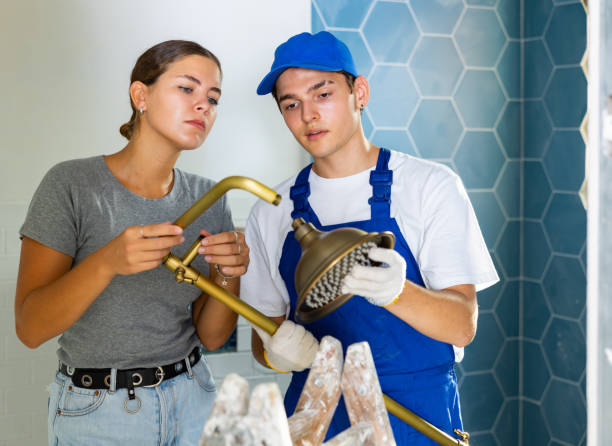
When you start planning a whole home remodel, one of the most important yet often overlooked steps is finding the right plumber. Plumbing plays a huge role in how your home functions after the remodel. From installing new fixtures to updating old pipes, your plumber’s skill can determine how smoothly your project goes. In 2025, homeowners across the United States are paying more attention to smart plumbing systems, energy efficiency, and long-term reliability. Choosing the right plumber is not just about fixing pipes—it’s about finding someone who understands the latest technologies and works well with your overall remodeling team. Why Plumbing Matters So Much in Remodeling Every successful full home remodel depends on solid plumbing work. Plumbing affects everything from water pressure and temperature to your home’s overall comfort. Poor plumbing can cause leaks, high bills, and damage to new finishes. Good plumbing ensures your remodel lasts for years and functions without constant problems. Here are a few reasons why plumbing is such an important part of remodeling: 1. Hidden installation: Most plumbing is installed inside walls or under floors. Any mistakes can be very expensive to fix later.2. Safety and code compliance: Licensed plumbers know the right building codes and safety rules for your area.3. Energy savings: Updated systems can lower your water and energy bills.4. Long-term value: Quality work improves your home’s resale value and comfort. Start by Choosing a Licensed and Certified Plumber Before hiring anyone, make sure your plumber is licensed and insured in your state. This protects you from poor-quality work or accidents that could happen during your project. Ask to see proof of their license and insurance. Also, request references from previous clients who have used their home remodeling services. Certifications in green or water-efficient systems are an added bonus. If you already have a contractor for home renovation, they may have a trusted plumber they work with. Even then, it is smart to meet that plumber personally and check their background. Look for Experience in Remodeling Projects Not every plumber has experience working on remodeling jobs. Some only handle small repairs or emergency calls. Remodeling projects are different because they require teamwork, planning, and technical skills. When working on a whole home remodel, your plumber should know how to reroute pipes, connect old systems to new ones, and coordinate with other professionals such as electricians or builders. Always ask for examples of their previous remodeling work. A plumber who has worked on renovations will understand the challenges that come with changing layouts or replacing old pipes. Choose a Plumber Who Communicates Well Good communication is key during remodeling. Plumbing often happens alongside other construction tasks, so your plumber must stay in touch with you and your contractor for home renovation to avoid delays. A professional plumber should clearly explain what they are doing, give regular updates, and discuss any changes that might affect your schedule or cost. They should be open, polite, and willing to answer your questions. Good communication helps you avoid confusion and keeps the project moving on time. Ask for Clear and Honest Pricing Before you agree to hire anyone, ask for a written estimate that includes material costs, labor, and any possible extra charges. This helps prevent surprise expenses later. Some plumbers charge by the hour, while others offer a fixed price for the entire job. Make sure you understand how they calculate costs. Reliable plumbers are always clear about their rates and are happy to explain what is included in their estimate. Find a Plumber Who Understands Modern Plumbing Trends In 2025, plumbing technology is changing fast. When you plan a full home remodel, choose a plumber who understands modern plumbing systems that make your home smarter and more efficient. Some of the most popular plumbing upgrades include:• Smart leak detection systems that alert you instantly when a leak occurs.• Tankless water heaters that save energy and take up less space.• Touchless faucets and low-flow showerheads that conserve water.• PEX piping that lasts longer and is more flexible than older pipes.• Water filtration systems that improve water quality for your family. Ask if your plumber has worked with these technologies before. Their experience with modern systems can make your remodel more sustainable and comfortable. Read Reviews and Check Their Reputation Before hiring a plumber, do a little research online. Read customer reviews on trusted websites like Google Reviews, Angi, or the Better Business Bureau. Look for feedback about reliability, punctuality, and professionalism. A few negative reviews are normal, but if you see repeated complaints about missed deadlines or poor quality, take it as a warning sign. A plumber with consistently positive reviews is usually a safe choice. Ask About Warranties and Work Guarantees A trustworthy plumber should always stand behind their work. Ask if they offer a warranty on labor and materials. This ensures that if something goes wrong after the job is done, they will come back to fix it without extra charges. Having a clear warranty agreement gives you peace of mind and shows that the plumber is confident in their workmanship. Make Sure Their Schedule Matches Your Project Timeline Plumbing is one of the first steps in most remodeling projects. If the plumbing work is delayed, it can affect every other part of your remodel. Ask the plumber to coordinate their work schedule with your general contractor. This helps prevent overlapping tasks, keeps inspections on time, and allows the remodel to move smoothly. Reliable plumbers respect deadlines and understand the importance of proper scheduling. Hire a Local Professional If your home is in the United States, hiring a local plumber can make a big difference. Every state and city has its own building codes and plumbing rules. Local professionals know these regulations and can help you avoid inspection problems. A local plumber can also recommend materials that perform best in your region’s climate and water conditions. They are easier to reach for follow-up visits or maintenance, too. Pay Attention to Customer Service Good plumbers