
What Happens If My Existing Gas Line Is Too Small for a New Appliance?
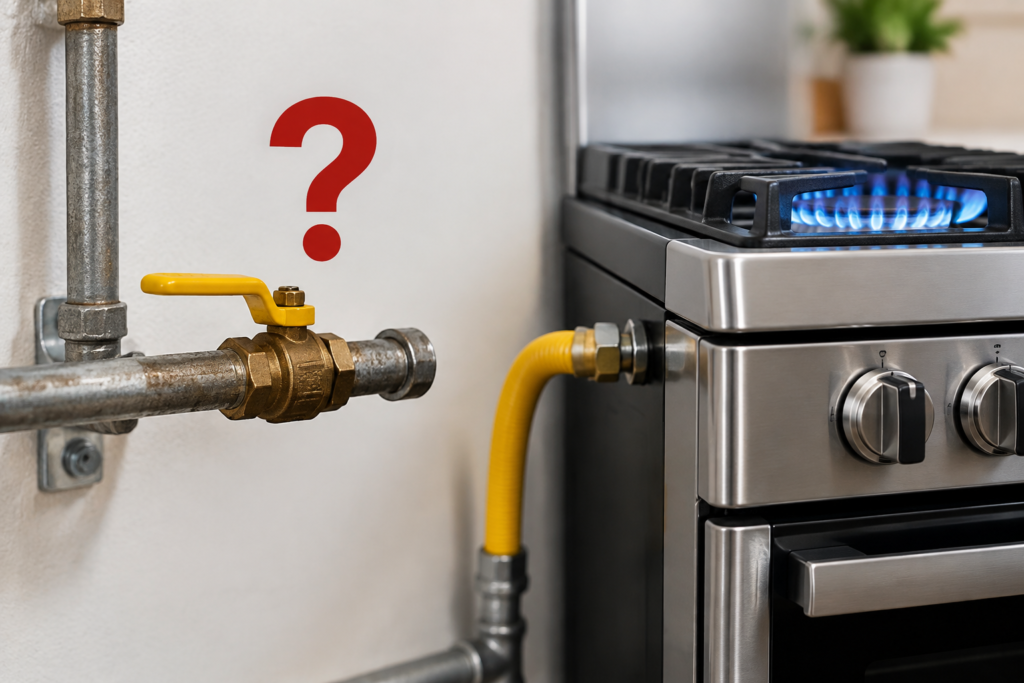
Replacing an old gas appliance can seem like a simple upgrade. You remove the old unit, bring in the new one, connect the gas line, and expect everything to work. In some homes and businesses, though, the existing gas line may not be large enough to supply the new appliance properly. This issue can come up when a property owner replaces an older furnace, water heater, range, dryer, boiler, or other gas appliance with a newer model. New equipment may have a different gas input requirement, and the existing piping may not have enough capacity to provide the gas flow the appliance needs. For property owners looking into gas piping installation in Halifax MA, checking the existing piping before installing new equipment can prevent delays and performance problems. A licensed professional can review the appliance requirements, pipe size, pipe length, other connected appliances, and local code requirements before deciding whether the existing system can be used. Why Does Gas Pipe Size Matter? A gas appliance needs an adequate supply of fuel to operate as designed. The pipe carrying the gas must be sized according to the demand placed on the system. A pipe that is too small can restrict the amount of gas reaching the appliance. The problem is not always obvious at first. An appliance may start and appear to work, but it may not receive the gas supply it needs when operating at a higher demand. Gas piping is not sized simply by looking at the connection on the appliance. The whole piping system needs to be considered. The National Fuel Gas Code uses the connected appliance demand as part of the pipe sizing process. Pipe sizing also takes into account factors such as pipe length and allowable pressure loss. Massachusetts has its own fuel gas requirements. The state uses the Massachusetts Fuel Gas Code, which includes Massachusetts amendments to NFPA 54. These rules cover the installation of fuel gas piping systems and gas equipment throughout the Commonwealth. What Happens When the Existing Line Is Too Small? If a new appliance needs more gas than the existing line can provide, the installer may determine that the piping needs to be changed before the appliance can be placed into service. The exact work depends on the existing system and the requirements of the new appliance. A contractor may need to: The work does not always mean that every gas pipe in the building needs to be replaced. In some cases, only a section of the system needs to be changed. That decision should come after a proper inspection and sizing calculation rather than guesswork. The New Appliance Changes the Load One of the first things a plumber or gas fitter checks is the gas input rating of the new appliance. For example, an older appliance may have a lower input rating than a newer replacement. If the new unit demands more gas, the existing branch may no longer be suitable. The same issue can occur when a property adds another appliance without changing the main gas piping. Imagine a property already has a furnace, water heater, and gas range. The owner then adds a larger commercial style appliance or another gas fired unit. The existing piping was designed around the previous total demand. Adding another appliance changes the total load. This is why replacing one appliance can sometimes lead to changes elsewhere in the gas system. Pipe Length Also Affects Sizing Pipe diameter is only one part of the calculation. The distance between the gas supply and the appliance also matters. A longer pipe run can have a different capacity than a shorter run of the same diameter. The National Fuel Gas Code includes sizing methods that consider the length of the piping run and the load served by each section. This is why someone cannot safely decide that a certain pipe size is large enough simply because another appliance in the building uses the same size connection. Two appliances may have different pipe lengths, different gas demands, and different system conditions. A professional needs to look at the actual layout before deciding what should be changed. Several Appliances Can Share One Gas Line Many properties have multiple gas appliances connected to one piping system. A typical home may have a gas furnace, water heater, stove, fireplace, and dryer. A small business may have several pieces of gas equipment operating from the same supply. The total demand matters. If several appliances operate at the same time, the gas piping needs to provide enough supply for the connected load according to the applicable sizing method. NFPA materials describe the total connected appliance load as a basis for pipe sizing, with specific allowances depending on the approved sizing method. This becomes especially important for businesses. A restaurant, workshop, commercial kitchen, or other business may have several gas appliances with high input ratings. A line that worked for an older setup may not be suitable after a renovation or equipment replacement. What Are the Signs of a Gas Supply Problem? A property owner should not try to diagnose a gas piping problem by adjusting fittings or changing the piping without professional help. However, certain operating problems can tell you that the appliance needs to be checked. Possible signs include: These signs can have other causes, so they do not automatically mean that the pipe is too small. A licensed professional should test the system and determine the actual cause. If you smell gas, leave the area and follow the emergency instructions provided by your gas utility. Do not attempt to locate a leak yourself. Can the Appliance Be Installed Without Replacing the Pipe? This depends on the results of the gas piping assessment. If the existing system can supply the appliance within the required limits and meets applicable code requirements, replacement may not require major piping changes. If the existing line cannot provide enough gas, the piping may need to be changed before the appliance is put into normal operation. The
How Can Proper Gas Piping Installation Help Lower Energy Costs?
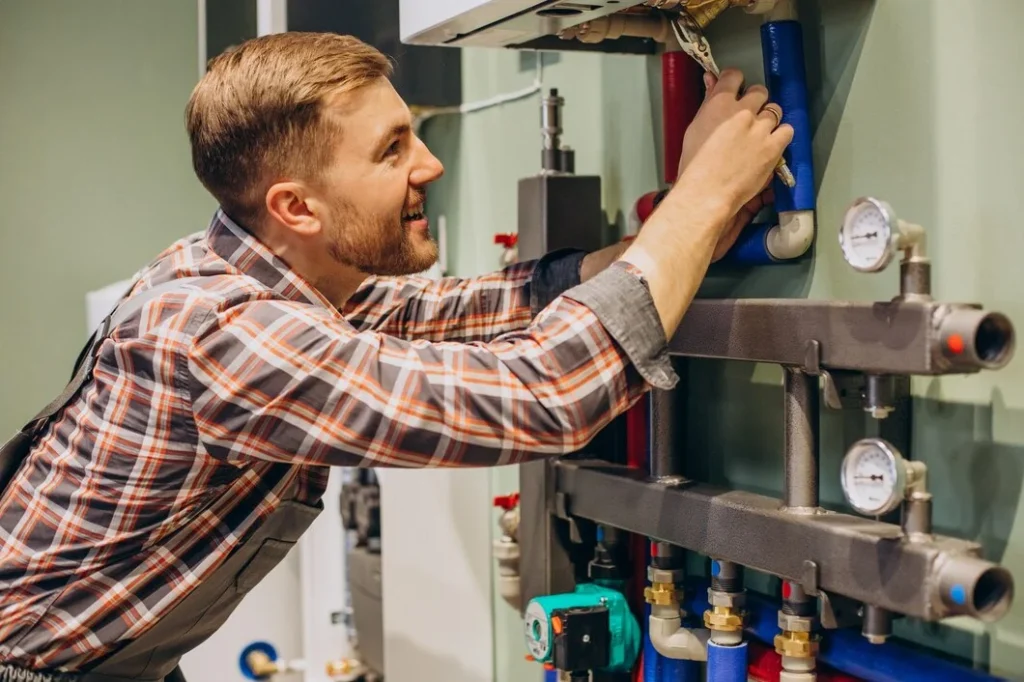
Energy bills have become a growing concern for both homeowners and business owners across Massachusetts. Whether you manage a retail store, office building, restaurant, or residential property, rising utility costs can affect your monthly budget. Many people look at heating equipment, insulation, and windows when trying to improve efficiency, but they often overlook one important part of the system: the gas piping network. A properly installed gas piping system does much more than deliver fuel from one point to another. It helps appliances operate efficiently, supports consistent performance, reduces wasted energy, and can even extend the lifespan of equipment. When gas lines are designed correctly and installed by experienced professionals, the entire system works better. For property owners considering gas piping installation in Holbrook, MA, understanding the connection between gas piping and energy efficiency can help them make informed decisions that lead to long term savings. Why Gas Piping Matters More Than Many People Realize Most gas powered appliances depend on a steady and reliable supply of fuel. Furnaces, boilers, water heaters, fireplaces, and commercial cooking equipment all require the correct amount of gas to perform properly. When the piping system is installed correctly, gas reaches each appliance at the right pressure and volume. This allows equipment to run efficiently without placing unnecessary strain on internal components. However, when pipes are undersized, improperly routed, aging, or damaged, appliances may struggle to receive the fuel they need. As a result, they often consume more energy to achieve the same output. Over time, this can lead to noticeably higher utility bills. Simply put, even the most efficient appliance cannot perform at its best if the gas supply system supporting it is not functioning properly. The Relationship Between Gas Flow and Energy Efficiency Energy efficiency is largely about using the least amount of fuel possible to achieve the desired result. Whether that result is heating water, warming a building, or powering cooking equipment, the goal remains the same. A properly designed gas piping system helps achieve this goal by maintaining consistent gas flow throughout the property. When gas flow remains stable, appliances can complete their heating cycles more efficiently. They reach target temperatures faster and operate according to manufacturer specifications. This reduces unnecessary fuel consumption and helps lower operating costs. On the other hand, inconsistent gas flow can force equipment to work harder and longer. That extra effort often translates directly into increased energy usage. How Poor Gas Piping Installation Can Increase Utility Bills Many property owners do not realize that installation mistakes can affect energy costs for years after a project is completed. One common issue is incorrect pipe sizing. If a pipe is too small for the amount of gas required, appliances may not receive adequate fuel during periods of high demand. This can cause performance issues and force equipment to run longer than necessary. Another problem involves excessive pipe length or poor routing. Gas must travel through the piping network before reaching appliances. A poorly designed route can create pressure loss, making it harder for appliances to operate efficiently. Small leaks can also contribute to higher utility costs. Even a minor leak allows fuel to escape before it reaches the equipment that needs it. While some leaks are easy to detect, others can remain unnoticed for extended periods, leading to unnecessary waste. These issues may seem minor individually, but together they can have a significant impact on monthly energy expenses. The Benefits of Professional Gas Piping Installation Professional installation provides several advantages that can help reduce operating costs over time. Experienced technicians carefully evaluate a property’s gas requirements before beginning installation. They consider factors such as appliance demand, building size, pipe sizing requirements, and future expansion plans. This planning helps create a system that supports efficient fuel delivery throughout the building. Professional gas piping installation services also include testing procedures that help identify leaks, pressure issues, and installation concerns before the system becomes operational. This attention to detail helps ensure reliable performance from the beginning. In many cases, investing in quality installation can prevent expensive repairs and energy losses later. How Proper Gas Piping Supports Appliance Performance Many people blame aging equipment when they notice higher utility bills. While older appliances can certainly affect efficiency, the gas delivery system should not be ignored. A water heater that receives the correct gas supply can heat water more efficiently and recover faster between uses. A furnace supplied with consistent fuel can maintain comfortable indoor temperatures without excessive cycling. Commercial equipment benefits in a similar way. Restaurants, bakeries, and food service businesses rely on consistent heating performance throughout the day. When gas delivery remains stable, equipment operates more efficiently and productivity improves. The better an appliance performs, the less energy it typically consumes to complete its job. Why New Construction Projects Should Prioritize Gas Piping Design When planning new construction plumbing in Holbrook, MA, many developers focus on visible elements such as fixtures, drainage systems, and mechanical equipment. However, gas piping design deserves equal attention. A well planned gas system allows contractors to anticipate future energy needs while ensuring efficient operation from day one. Early planning helps avoid common issues such as undersized piping, poor routing decisions, and costly modifications after construction is complete. As buildings become more energy conscious, every component of the infrastructure should contribute to overall efficiency. Gas piping is no exception. Signs Your Existing Gas Piping System May Be Costing You Money Many older properties experience declining efficiency without obvious warning signs. An unexplained increase in utility bills is often one of the first indicators that something may be wrong. If fuel consumption rises despite similar usage patterns, the gas piping system may deserve inspection. Uneven appliance performance can also signal a problem. Some equipment may appear weaker, slower, or less responsive than before. Inconsistent gas delivery is often a contributing factor. Frequent repairs may indicate pressure fluctuations or hidden issues within the system. Likewise, properties with older gas piping materials may benefit from an evaluation to determine
What are the Risks of Delaying a Gas Line Repair or Installation?
When it comes to gas piping installation in Weymouth, MA, putting off repairs or installation can create serious problems. Delays are not just inconvenient. They can lead to safety hazards, higher costs, and damage to your property. Gas lines are very important for homes and businesses because they carry fuel for heating systems, ovens, boilers, and other equipment. Ignoring issues with your gas line can cause trouble that grows over time. This guide will explain why it is risky to wait on gas line repairs or installations, especially for small and medium-sized business owners, B2B companies, local businesses, and property managers in the United States. Why Acting Quickly Is Important Gas lines carry fuel that powers important systems in your home or business. These systems need properly installed and sealed pipes. When repairs or installations are delayed, several problems can develop. These problems are not just minor inconveniences. They can become serious hazards affecting people, property, and finances. Safety Hazards You Can’t Ignore Hidden Gas Leaks Natural gas has no smell until a chemical is added so you can detect it. Even then, leaks can go unnoticed, especially in unused spaces such as basements or storage rooms. Small leaks can grow over time, and even a tiny spark can cause a serious accident. Gas exposure can also affect health, causing headaches, dizziness, and breathing problems. Fire and Explosion Risk One of the biggest dangers of delaying gas line work is fire or explosion. Gas can build up in enclosed areas and mix with air to create a highly flammable environment. A small spark from electrical devices, switches, or appliances can ignite the gas. Older or damaged pipes make leaks more likely and increase the risk of an explosion. Financial and Business Risks Higher Costs Small problems like minor leaks or loose fittings may seem cheap to fix at first. But waiting can turn a simple repair into a major job. This could involve excavation, new materials, and emergency service fees. For businesses, delays can also mean stopping operations temporarily, which affects revenue. Higher Utility Bills and Inefficiency Leaking or damaged gas lines can reduce efficiency in your equipment. Appliances may need to work harder to produce the same results, which can increase gas bills over time. Damage to Equipment and Infrastructure Improperly installed or aging gas lines can cause appliances to perform poorly or fail earlier than expected. Furnaces, boilers, and other equipment can suffer damage, costing more money in repairs or replacements. Property Value and Legal Issues Lower Property Value If you plan to sell or lease a property, unresolved gas line problems are red flags for buyers and inspectors. Properties with known gas issues usually lose value because new owners will require repairs before closing deals. Legal and Insurance Problems Unlicensed or DIY gas work may break building codes. This can result in fines, insurance problems, or liability if an accident occurs. Insurance may not cover damages if repairs were not done by licensed professionals. Delaying professional service increases the chance of code violations or incomplete work. Health and Environmental Concerns Carbon Monoxide Risks Gas line problems can produce carbon monoxide, a colorless and odorless gas that is very dangerous. Even low levels of exposure can cause serious health issues. Proper installation and repair ensure safe ventilation and reduce carbon monoxide risks. Environmental Impact Methane is a major part of natural gas and is a strong greenhouse gas. Leaks over time can harm the environment by releasing methane into the air. Fixing gas lines quickly prevents long-term environmental damage. How Professionals Handle Gas Line Work Licensed professionals follow careful steps to ensure safety and reliability when installing or repairing gas lines. Here is what they do: Professional installation avoids the risks of DIY work and ensures your gas system works safely for years. Early Warning Signs You Shouldn’t Ignore If you notice any of these signs, contact a professional immediately to prevent serious accidents. Conclusion Are you wondering if your gas line issues can wait? The answer is no. Waiting on gas piping installation in Weymouth, MA or repair increases risks every day. You could face fire hazards, health dangers, higher costs, and legal or insurance problems. Acting now protects your property, your staff, and your business operations. If you need reliable service for repairs, installations, or plumbing services, Steel Hill Plumbing & Heating is ready to help. They provide licensed, professional plumbing services that meet safety codes and keep your systems running smoothly. Contact US today to schedule your professional gas line service and keep your property safe and efficient. Frequently Asked Questions 1. Why is delaying gas line work dangerous? Delays allow small issues to become serious hazards, including leaks, fires, and equipment damage. 2. Is it safe to try gas line repairs myself? No. DIY gas work can break codes, void insurance, and create hidden dangers. Licensed professionals handle gas lines safely. 3. How much more expensive can delayed repairs be? Delaying repairs can turn a simple fix into a major replacement project, costing thousands more in labor and materials. 4. What are the signs that I need professional help right away? Unusual smells, hissing noises, malfunctioning appliances, or rising gas bills are clear signs to call a licensed plumber. 5. Does delaying repairs have environmental effects? Yes. Leaks allow methane to escape into the atmosphere, contributing to greenhouse gas emissions and harming local air quality.