
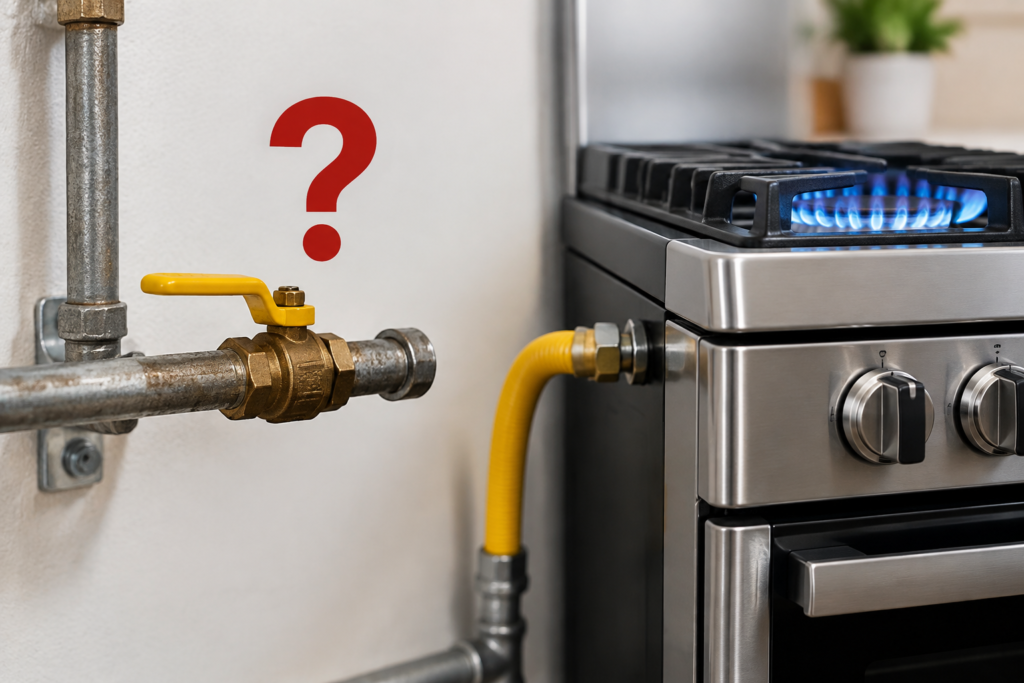
Replacing an old gas appliance can seem like a simple upgrade. You remove the old unit, bring in the new one, connect the gas line, and expect everything to work. In some homes and businesses, though, the existing gas line may not be large enough to supply the new appliance properly.
This issue can come up when a property owner replaces an older furnace, water heater, range, dryer, boiler, or other gas appliance with a newer model. New equipment may have a different gas input requirement, and the existing piping may not have enough capacity to provide the gas flow the appliance needs.
For property owners looking into gas piping installation in Halifax MA, checking the existing piping before installing new equipment can prevent delays and performance problems. A licensed professional can review the appliance requirements, pipe size, pipe length, other connected appliances, and local code requirements before deciding whether the existing system can be used.
Why Does Gas Pipe Size Matter?
A gas appliance needs an adequate supply of fuel to operate as designed. The pipe carrying the gas must be sized according to the demand placed on the system.
A pipe that is too small can restrict the amount of gas reaching the appliance. The problem is not always obvious at first. An appliance may start and appear to work, but it may not receive the gas supply it needs when operating at a higher demand.
Gas piping is not sized simply by looking at the connection on the appliance. The whole piping system needs to be considered.
The National Fuel Gas Code uses the connected appliance demand as part of the pipe sizing process. Pipe sizing also takes into account factors such as pipe length and allowable pressure loss.
Massachusetts has its own fuel gas requirements. The state uses the Massachusetts Fuel Gas Code, which includes Massachusetts amendments to NFPA 54. These rules cover the installation of fuel gas piping systems and gas equipment throughout the Commonwealth.
What Happens When the Existing Line Is Too Small?
If a new appliance needs more gas than the existing line can provide, the installer may determine that the piping needs to be changed before the appliance can be placed into service.
The exact work depends on the existing system and the requirements of the new appliance.
A contractor may need to:
- Increase the size of part of the gas piping
- Replace a longer section of the existing line
- Increase the size of a branch line
- Rework the connection serving several appliances
- Check the gas meter and available supply
- Review the regulator and operating pressure
- Test the completed system
- Confirm that the appliance receives the required gas pressure
The work does not always mean that every gas pipe in the building needs to be replaced. In some cases, only a section of the system needs to be changed.
That decision should come after a proper inspection and sizing calculation rather than guesswork.
The New Appliance Changes the Load
One of the first things a plumber or gas fitter checks is the gas input rating of the new appliance.
For example, an older appliance may have a lower input rating than a newer replacement. If the new unit demands more gas, the existing branch may no longer be suitable.
The same issue can occur when a property adds another appliance without changing the main gas piping.
Imagine a property already has a furnace, water heater, and gas range. The owner then adds a larger commercial style appliance or another gas fired unit. The existing piping was designed around the previous total demand. Adding another appliance changes the total load.
This is why replacing one appliance can sometimes lead to changes elsewhere in the gas system.
Pipe Length Also Affects Sizing
Pipe diameter is only one part of the calculation. The distance between the gas supply and the appliance also matters. A longer pipe run can have a different capacity than a shorter run of the same diameter.
The National Fuel Gas Code includes sizing methods that consider the length of the piping run and the load served by each section.
This is why someone cannot safely decide that a certain pipe size is large enough simply because another appliance in the building uses the same size connection.
Two appliances may have different pipe lengths, different gas demands, and different system conditions.
A professional needs to look at the actual layout before deciding what should be changed.
Several Appliances Can Share One Gas Line
Many properties have multiple gas appliances connected to one piping system. A typical home may have a gas furnace, water heater, stove, fireplace, and dryer. A small business may have several pieces of gas equipment operating from the same supply.
The total demand matters. If several appliances operate at the same time, the gas piping needs to provide enough supply for the connected load according to the applicable sizing method. NFPA materials describe the total connected appliance load as a basis for pipe sizing, with specific allowances depending on the approved sizing method.
This becomes especially important for businesses. A restaurant, workshop, commercial kitchen, or other business may have several gas appliances with high input ratings. A line that worked for an older setup may not be suitable after a renovation or equipment replacement.
What Are the Signs of a Gas Supply Problem?
A property owner should not try to diagnose a gas piping problem by adjusting fittings or changing the piping without professional help.
However, certain operating problems can tell you that the appliance needs to be checked.
Possible signs include:
- The appliance does not operate as expected
- The burner does not maintain proper operation
- Equipment shuts down during operation
- A heating appliance struggles to meet demand
- A new appliance cannot be commissioned properly
- Multiple gas appliances appear to have problems when operating together
- A technician identifies insufficient gas pressure during testing
These signs can have other causes, so they do not automatically mean that the pipe is too small.
A licensed professional should test the system and determine the actual cause.
If you smell gas, leave the area and follow the emergency instructions provided by your gas utility. Do not attempt to locate a leak yourself.
Can the Appliance Be Installed Without Replacing the Pipe?
This depends on the results of the gas piping assessment.
If the existing system can supply the appliance within the required limits and meets applicable code requirements, replacement may not require major piping changes.
If the existing line cannot provide enough gas, the piping may need to be changed before the appliance is put into normal operation.
The goal is not simply to make the appliance fit the existing connection. The gas supply needs to match the appliance requirements and the design of the entire system.
That is why gas piping installation services should begin with an assessment rather than immediately cutting into the existing line.
What Does a Professional Gas Piping Check Include?
A proper assessment can involve several steps.
1. Check the New Appliance
The installer reviews the manufacturer’s specifications, including the gas input and required supply pressure.
2. Review Existing Appliances
The professional identifies the other appliances connected to the same gas system and considers their demand.
3. Measure the Piping
The pipe sizes, branches, fittings, and approximate lengths are reviewed.
4. Check the Gas Supply
The professional may review the meter, regulator, pressure, and other parts of the supply system.
5. Calculate the Required Capacity
The system is evaluated using the applicable gas piping sizing requirements.
6. Decide What Needs to Change
If the current piping is not adequate, the installer can determine which sections need to be replaced or resized.
7. Test the Finished Work
After the work is completed, the system should be checked according to applicable requirements before the appliance is placed into service.
This process gives the property owner a much clearer answer than simply guessing whether the old pipe can handle the new appliance.
Massachusetts Rules Matter
Gas piping work in Massachusetts is governed by state requirements. The Massachusetts Fuel Gas Code covers fuel gas piping systems and gas utilization equipment. Massachusetts also has specific amendments to NFPA 54.
Massachusetts regulations also govern plumbing and gas fitting work performed in the state. The Board of State Examiners of Plumbers and Gas Fitters provides the applicable regulations and permit information.
For property owners, this means gas work should not be treated like a basic home improvement project.
Massachusetts states that gas fitting permits are issued to licensed professionals, and the state provides specific applications for plumbing and gas fitting work.
Before starting a project, it is a good idea to confirm the permit requirements with the appropriate local authority and the licensed contractor handling the work.
What About a Boiler Replacement?
A boiler replacement can be a good example of why gas pipe sizing deserves attention.
A newer boiler may have different specifications from the older unit. The piping serving the equipment should be checked before the replacement is installed.
If you are planning boiler installation in Halifax MA, ask the contractor to review the existing gas supply as part of the project.
This is particularly useful when the building has older piping or when other gas appliances have been added since the original system was installed.
A boiler project may involve more than simply removing the old equipment. The contractor may need to consider the gas supply, venting, controls, electrical requirements, water connections, and other installation details.
Massachusetts guidance also addresses proper venting of gas fueled appliances as part of gas fitting work.
Why Businesses Should Check Gas Capacity Before Renovation
Small and medium sized businesses often make several changes during a renovation.
A restaurant may replace cooking equipment. A property manager may upgrade heating equipment. A workshop may add a new gas appliance. A commercial building may replace older equipment with a higher capacity model.
If the gas piping was installed for the previous equipment, it should be reviewed before the new appliances arrive.
For a business owner, finding a gas supply issue after the new appliance has already been delivered can cause unnecessary delays.
Planning the gas piping work early gives the contractor time to determine whether the existing system can handle the new equipment.
It can also help the business owner understand the project cost before installation begins.
What Should You Ask Your Plumber?
If you are replacing a gas appliance, ask a few direct questions before the work begins.
- What is the gas input rating of the new appliance?
- Can my existing gas piping supply it?
- Are other appliances connected to the same line?
- Does the pipe length affect the required size?
- Will any section of the gas piping need to be replaced?
- Does the gas meter provide enough capacity?
- Are permits required for this project?
- Will the completed system be tested and inspected?
Getting clear answers can help prevent surprises during installation.
It also gives you a better idea of what the project actually involves.
Why You Should Not Simply Increase the Appliance Connection
A common mistake is to focus only on the final connection near the appliance.
Changing the connection size does not automatically increase the capacity of the entire gas piping system.
If the main branch or longer section of piping cannot supply the required gas flow, changing only the fitting near the appliance does not solve the underlying problem.
The entire path from the gas supply to the appliance needs to be considered.
This is one reason professional sizing matters.
When Should You Check the Gas Line?
The best time to check the gas line is before buying or installing the new appliance.
If you are still comparing equipment, provide the contractor with the specifications for the models you are considering. A professional can then determine whether the existing gas system is suitable.
This can be especially helpful for larger appliances.
If the gas line needs work, knowing this before installation gives you more time to plan the project.
For gas piping installation in Halifax MA, early planning can also help property owners coordinate the gas work with heating, kitchen, remodeling, or equipment installation projects.
Conclusion
Is your existing gas line ready for the new appliance you want to install? Checking the system before installation can help you avoid unexpected work, project delays, and equipment performance problems. The right pipe size depends on more than the connection at the appliance. The total gas demand, pipe length, connected appliances, supply conditions, equipment requirements, and Massachusetts regulations all need to be considered.
If the existing system is not large enough, the answer may be to resize a branch, replace part of the piping, or make another approved change based on the actual system design. A professional assessment can show what needs to be done before the new appliance is installed.
Steel Hill Plumbing and Heating provides plumbing services for property owners who need help with plumbing and gas related projects. Their team can assess existing systems and help plan the work needed for appliance replacements and other projects.
Frequently Asked Questions
How do I know if my gas line is too small for a new appliance?
You cannot reliably determine this by pipe appearance alone. The appliance demand, pipe size, pipe length, connected appliances, supply pressure, and applicable sizing rules all need to be considered.
Can a larger appliance use the same gas line as my old appliance?
It may be possible, but it depends on the total gas demand and the capacity of the existing piping system. A licensed professional should check the system before installation.
Does a longer gas pipe need to be larger?
Pipe length can affect sizing. The approved sizing method considers the piping length, load, and other system factors.
Do I need a permit for gas piping work in Massachusetts?
Gas fitting work is subject to Massachusetts requirements, and permits may be required. The state provides specific applications for gas fitting permits. Check with the local authority and the licensed professional handling your project.
Can I install or resize the gas line myself?
Gas piping work should be handled by an appropriately licensed professional. Massachusetts states that gas fitting work is regulated and that permits are issued to licensed professionals.
What happens if I install a new appliance without checking the gas line?
The appliance may not receive the gas supply it requires. It can also create installation, inspection, performance, and safety concerns. The correct response is to have the system evaluated before the appliance is put into service.
Should I check the gas line when replacing a boiler?
Yes. A boiler replacement is a good time to review the gas supply, especially when the new boiler has different requirements from the existing equipment or other gas appliances that share the same system.