
What Causes Low Water Pressure in a Tankless Water Heater?
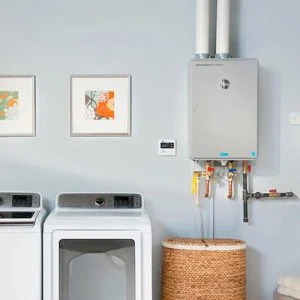
Tankless water heaters are very popular across the United States because they save energy and give endless hot water. They work differently from old-style water heaters with storage tanks. A tankless unit heats water only when you open the tap, so you get hot water right away. Even though they are efficient, some people face problems with low water pressure. This issue can be frustrating for homes and businesses, especially in busy places like restaurants, offices, or stores. If the water pressure is weak, it affects how well your heater works. To fix it, it helps to understand what causes it and when to call a professional for tankless water heater repair. How Water Pressure Works in a Tankless System A tankless water heater depends on steady water flow. It heats water while it moves through the unit. If the pressure drops, water flow slows down, and the heater struggles to keep up. You may get an uneven temperature or the heater might even shut down. Low water pressure does not always mean the heater is broken. Sometimes, the plumbing system or the water supply outside the unit causes the issue. Main Reasons for Low Water Pressure in Tankless Heaters 1. Buildup of Minerals and Scale Hard water is a common problem in many areas. Over time, minerals like calcium and magnesium collect inside pipes and heater parts. This buildup makes it hard for water to pass through, which lowers pressure. If the heater is not cleaned regularly, scale forms in the heat exchanger and inside the pipes. This not only reduces flow but can also damage the heater. Regular tankless water heater maintenance service can help stop this issue before it gets worse. 2. Clogged Inlet Filter Every tankless unit has a small filter at the inlet. This filter catches dirt or small particles before water enters the heater. When it becomes dirty or blocked, the flow of water drops. Many business owners overlook this small part, but cleaning it regularly can quickly fix pressure problems. 3. Partially Closed or Faulty Valves Water supply valves control how much water enters the plumbing system. If any valve is not fully open, water cannot flow freely. Sometimes, valves get turned off during maintenance or repair work and are not opened completely afterward. Checking and opening them properly often solves the problem right away. 4. Problems with the Pressure Regulator A pressure regulator controls how much water pressure enters your plumbing system. If it gets old, damaged, or adjusted too low, your entire building may experience weak pressure. Replacing or adjusting this part usually needs a technician who understands tankless water heater repair. 5. Low Supply from the City Water Line Sometimes, the problem comes from the main city water supply. During busy hours, the water line may not deliver enough pressure to your property. This situation is common in large buildings or commercial areas. Even if your heater works perfectly, it will not heat properly when the incoming pressure is too low. 6. Old or Damaged Plumbing Lines Pipes that are too small, old, or corroded can block water flow before it reaches the heater. Rust and sediment can build up inside pipes and make pressure drop. If your building is old, you might need a plumber to inspect and replace sections of your plumbing system. 7. Pressure Drop After Cleaning or Service Sometimes, after a cleaning or descaling service, water pressure stays low because a valve was left closed or debris moved into another part of the system. It’s a good idea to check every valve and flush the system after maintenance. How Low Pressure Affects Your Tankless Heater Low water pressure causes more than inconvenience. It affects how the heater performs and can create long-term issues. First, it can make the heater produce uneven water temperature. Tankless systems need a steady water flow to heat properly. Second, it adds extra stress on internal parts. The sensors and heating elements must work harder to keep the temperature steady, which can lead to wear and tear. Third, it affects user experience. If customers or employees can’t get enough hot water, it can cause complaints and interruptions, especially in restaurants, salons, or offices. How to Check and Fix Low Water Pressure Simple Steps You Can Try You can try a few things before calling a professional. Check the faucets and showerheads. Sometimes the problem is dirt or sediment in the aerators. Clean them to see if pressure improves. Look at the main water valve. Make sure it’s open completely. Inspect the inlet filter. Clean or replace it if it looks dirty. Test the pressure at other taps. If all taps have low pressure, it might be a supply issue rather than the heater itself. When to Call for Professional Tankless Water Heater Repair If you’ve tried these simple steps and the pressure is still low, it’s time to call a technician. A professional plumber can: • Check the water pressure across your entire system• Inspect valves, regulators, and filters• Clean or flush the heat exchanger• Perform necessary water heater element replacement if parts are worn out Professional help ensures your heater runs safely and efficiently without risking more damage. Tips to Prevent Future Pressure Problems To keep your system running smoothly, follow these easy maintenance steps: • Schedule a tankless water heater maintenance service once every year.• Install a water softener if your area has hard water.• Inspect and clean faucet aerators every few months.• Make sure all valves stay fully open after any repair or cleaning.• Replace old or rusty pipes before they restrict flow. Conclusion Do you notice your water flow getting weaker every day? It could be a sign that your system needs attention. Low water pressure can happen because of blockages, valve issues, or scale buildup. Ignoring it can cause long-term damage and higher energy bills. Getting professional help for tankless water heater repair is the best way to restore performance. Regular tankless water heater maintenance service
How Can Routine Water Heater Maintenance Lower Your Energy Bills?
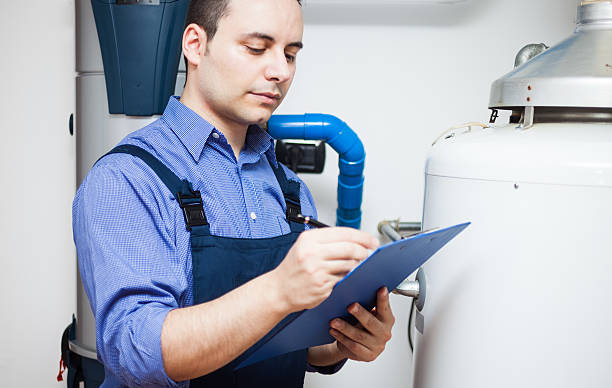
Many homeowners and small business owners in the United States do not realize how much money is lost every year through an inefficient water heater. This system quietly works in the background every day, but when it is not maintained, it can use far more energy than needed. Whether you run a small office, manage a warehouse, or own a local business in Rockland, keeping your hot water system in good condition can save you a noticeable amount on your energy bills. The simple habit of scheduling routine water heater maintenance can make a big difference in both your comfort and your monthly expenses. Let us look at how taking care of your water heater, including regular water heater element replacement, helps reduce waste, extends the life of your equipment, and keeps your bills lower. Why Your Water Heater Has a Big Impact on Energy Costs Your water heater is one of the most energy-hungry appliances in any home or business property. According to the U.S. Department of Energy, water heating can make up nearly 18 percent of your energy bill. When the system is not working efficiently, that number can increase quickly. Even a small layer of mineral buildup, a weak heating element, or a faulty thermostat can cause unnecessary energy use. For business owners, these small losses can turn into hundreds or even thousands of dollars over time. Routine care keeps your heater performing close to its original efficiency level. That means it uses less energy to heat the same amount of water, saving you money every month. What Routine Water Heater Maintenance Includes Maintaining a water heater is easier than most people think. You just need to focus on a few important steps. Whether you have an older system or a new replacement water heater, these steps can help improve efficiency and reduce energy use. 1. Flushing out sediment Over time, minerals in the water settle at the bottom of the tank. This buildup makes it harder for the heating element to warm the water. Flushing the tank once or twice a year removes these minerals and helps the heater work faster and use less energy. 2. Inspecting and replacing heating elements Electric water heaters have heating elements that can become covered with scale or corrosion. When that happens, the water takes longer to heat and energy use increases. Replacing worn or damaged elements through hot water element replacement restores performance and saves energy. 3. Checking thermostat and safety valves If the thermostat is not working properly or is set too high, the water heater wastes power. The temperature and pressure valve also needs to be tested regularly to ensure safe operation and prevent energy loss. 4. Replacing the anode rod Many tank-type heaters include an anode rod that protects the tank from rust. When this rod wears out, the tank starts to corrode, reducing its efficiency. Changing the anode rod at the right time keeps your heater working well for many years. 5. Adding insulation Insulating the water heater and hot water pipes prevents heat from escaping. This simple step keeps the water hotter for longer and reduces the amount of energy needed to reheat it. Doing these simple tasks once or twice each year can maintain efficiency and prevent expensive repairs later. How Regular Maintenance Reduces Energy Bills Regular maintenance has several clear benefits that directly lower your energy costs. Better heat transfer When heating elements are clean and free of mineral buildup, the water heats more quickly and efficiently. Routine hot water element replacement ensures that your heater is not wasting energy. Less standby energy waste When sediment or poor insulation forces the heater to run longer, energy is wasted even when you are not using hot water. Cleaning and insulating the unit helps it stay at the right temperature without running constantly. Longer system life A properly maintained heater lasts much longer. By taking care of your system, you delay the need for water heater repair & replacement, which saves money in the long term. Fewer breakdowns Regular inspections prevent small problems from turning into emergencies. Identifying issues such as weak heating elements early can stop sudden failures that would otherwise require costly service. Stable water temperature Maintenance also keeps the water temperature consistent, improving comfort for everyone using the system. A Simple Maintenance Plan for Business Owners If you manage a business, creating a simple maintenance plan for your water heater can keep things running efficiently all year long. Here is an easy schedule to follow: By following this plan, you can prevent unexpected breakdowns and ensure that your hot water system operates efficiently. Knowing When to Choose a Replacement Water Heater Even with excellent maintenance, every water heater has a lifespan. There comes a time when replacing the unit makes more sense than continuing repairs. You may need a new system if any of the following applies: • Your heater is more than ten years old• Energy bills stay high even after maintenance• The heater breaks down frequently• There are leaks or corrosion on the tank• You need more hot water for growing business needs A replacement water heater can be more energy-efficient and reliable than older models. Newer designs use better insulation and smarter controls that save significant energy over time. Why Water Heater Element Replacement Matters So Much In electric or hybrid models, the heating elements are the most important parts. They are responsible for turning electrical energy into heat. When they are coated with scale or corrosion, it takes longer to heat the water, which increases energy costs. A timely water heater element replacement keeps your system efficient and prevents unnecessary wear. It is a quick and affordable repair that can make a big difference in performance. Many people ignore these elements until the system stops working, but replacing them early prevents larger issues. If this maintenance is skipped for too long, the water heater can overheat or even start leaking. At that stage, you might need