
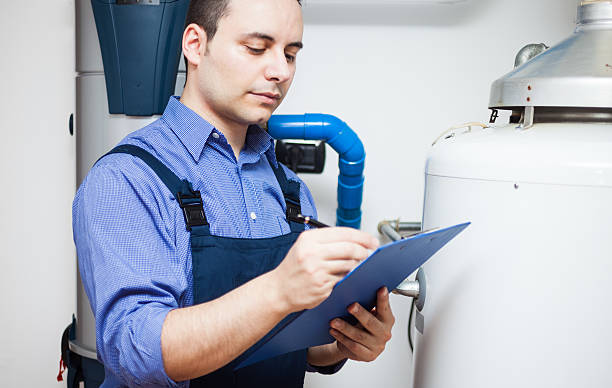
Many homeowners and small business owners in the United States do not realize how much money is lost every year through an inefficient water heater. This system quietly works in the background every day, but when it is not maintained, it can use far more energy than needed.
Whether you run a small office, manage a warehouse, or own a local business in Rockland, keeping your hot water system in good condition can save you a noticeable amount on your energy bills. The simple habit of scheduling routine water heater maintenance can make a big difference in both your comfort and your monthly expenses.
Let us look at how taking care of your water heater, including regular water heater element replacement, helps reduce waste, extends the life of your equipment, and keeps your bills lower.
Why Your Water Heater Has a Big Impact on Energy Costs
Your water heater is one of the most energy-hungry appliances in any home or business property. According to the U.S. Department of Energy, water heating can make up nearly 18 percent of your energy bill.
When the system is not working efficiently, that number can increase quickly. Even a small layer of mineral buildup, a weak heating element, or a faulty thermostat can cause unnecessary energy use. For business owners, these small losses can turn into hundreds or even thousands of dollars over time.
Routine care keeps your heater performing close to its original efficiency level. That means it uses less energy to heat the same amount of water, saving you money every month.
What Routine Water Heater Maintenance Includes
Maintaining a water heater is easier than most people think. You just need to focus on a few important steps. Whether you have an older system or a new replacement water heater, these steps can help improve efficiency and reduce energy use.
1. Flushing out sediment
Over time, minerals in the water settle at the bottom of the tank. This buildup makes it harder for the heating element to warm the water. Flushing the tank once or twice a year removes these minerals and helps the heater work faster and use less energy.
2. Inspecting and replacing heating elements
Electric water heaters have heating elements that can become covered with scale or corrosion. When that happens, the water takes longer to heat and energy use increases. Replacing worn or damaged elements through hot water element replacement restores performance and saves energy.
3. Checking thermostat and safety valves
If the thermostat is not working properly or is set too high, the water heater wastes power. The temperature and pressure valve also needs to be tested regularly to ensure safe operation and prevent energy loss.
4. Replacing the anode rod
Many tank-type heaters include an anode rod that protects the tank from rust. When this rod wears out, the tank starts to corrode, reducing its efficiency. Changing the anode rod at the right time keeps your heater working well for many years.
5. Adding insulation
Insulating the water heater and hot water pipes prevents heat from escaping. This simple step keeps the water hotter for longer and reduces the amount of energy needed to reheat it.
Doing these simple tasks once or twice each year can maintain efficiency and prevent expensive repairs later.
How Regular Maintenance Reduces Energy Bills
Regular maintenance has several clear benefits that directly lower your energy costs.
Better heat transfer
When heating elements are clean and free of mineral buildup, the water heats more quickly and efficiently. Routine hot water element replacement ensures that your heater is not wasting energy.
Less standby energy waste
When sediment or poor insulation forces the heater to run longer, energy is wasted even when you are not using hot water. Cleaning and insulating the unit helps it stay at the right temperature without running constantly.
Longer system life
A properly maintained heater lasts much longer. By taking care of your system, you delay the need for water heater repair & replacement, which saves money in the long term.
Fewer breakdowns
Regular inspections prevent small problems from turning into emergencies. Identifying issues such as weak heating elements early can stop sudden failures that would otherwise require costly service.
Stable water temperature
Maintenance also keeps the water temperature consistent, improving comfort for everyone using the system.
A Simple Maintenance Plan for Business Owners
If you manage a business, creating a simple maintenance plan for your water heater can keep things running efficiently all year long. Here is an easy schedule to follow:
- Drain a few gallons of water from the tank every six months to remove sediment.
- Test the temperature and pressure valve to confirm that it opens and closes smoothly.
- Set the thermostat around 120 degrees Fahrenheit for safe and efficient heating.
- Have a professional check the heating elements every year and perform water heater element replacement if corrosion or buildup is found.
- Inspect the anode rod every few years and replace it when it looks thin or worn.
- Wrap insulation around the pipes and tank to reduce heat loss.
- Keep track of your energy bills and note any unexpected increases that might point to inefficiency.
By following this plan, you can prevent unexpected breakdowns and ensure that your hot water system operates efficiently.
Knowing When to Choose a Replacement Water Heater
Even with excellent maintenance, every water heater has a lifespan. There comes a time when replacing the unit makes more sense than continuing repairs. You may need a new system if any of the following applies:
• Your heater is more than ten years old
• Energy bills stay high even after maintenance
• The heater breaks down frequently
• There are leaks or corrosion on the tank
• You need more hot water for growing business needs
A replacement water heater can be more energy-efficient and reliable than older models. Newer designs use better insulation and smarter controls that save significant energy over time.
Why Water Heater Element Replacement Matters So Much
In electric or hybrid models, the heating elements are the most important parts. They are responsible for turning electrical energy into heat. When they are coated with scale or corrosion, it takes longer to heat the water, which increases energy costs.
A timely water heater element replacement keeps your system efficient and prevents unnecessary wear. It is a quick and affordable repair that can make a big difference in performance. Many people ignore these elements until the system stops working, but replacing them early prevents larger issues.
If this maintenance is skipped for too long, the water heater can overheat or even start leaking. At that stage, you might need a full water heater repair & replacement. To avoid this, include hot water elements replacement in your regular service routine.
Benefits of Regular Maintenance for Local Businesses
For small and medium-sized companies in Rockland and across the United States, maintaining your water heater provides several key benefits.
Lower energy bills
When your heater runs efficiently, every bit of energy is used effectively instead of being wasted.
Predictable costs
Planned maintenance is easier to budget for and much cheaper than emergency repairs.
Less downtime
Unexpected failures can interrupt business operations. Regular care prevents this and keeps everything running smoothly.
Longer equipment life
Keeping up with maintenance means you can use your current system for more years before needing a new one.
Comfort and satisfaction
A steady hot water supply improves comfort for staff and customers.
Better sustainability image
Businesses that maintain energy-efficient systems show they care about sustainability and responsible energy use.
A Real Example of Energy Savings
Imagine a small office in Rockland with a fifty-gallon electric water heater that has not been serviced for years. The staff often complain about slow hot water, and the power bills are higher than normal.
The owner decides to schedule maintenance. The plumber flushes the tank, replaces both heating elements, adjusts the thermostat to 120 degrees, and adds insulation around the pipes.
The result is immediate. The water heats faster, the heater runs less often, and the electric bill drops. The business saves money and avoids buying a new unit for several more years.
This simple example shows how maintenance can pay for itself.
Helpful Tips to Keep Your System Efficient
Here are some practical suggestions for keeping your water heater in great shape.
- Hire a licensed plumbing and heating professional to make sure all work is done safely and according to code.
- Keep a record of maintenance dates and services so you can track performance.
- Set the thermostat to 120 degrees Fahrenheit to prevent energy waste.
- Ask for element inspection and replacement during every service visit.
- Compare repair costs with replacement costs when your heater gets older.
- Train staff or maintenance teams to report leaks, noises, or temperature changes right away.
- Plan service during slower periods to avoid interrupting business operations.
Conclusion
Taking care of your water heater is one of the easiest ways to save energy and lower your bills. Simple actions like flushing the tank, inspecting parts, and performing water heater element replacement can make a big difference in how well your system performs.
For homeowners and businesses in Rockland and nearby areas, Steel Hill Plumbing and Heating is a trusted local company that specializes in water heater maintenance. Their experienced team also offers water heater repair & replacement and can help you choose the best way to improve efficiency.
By staying proactive and maintaining your system regularly, you can reduce costs, avoid unexpected repairs, and make sure your hot water system continues working smoothly for many years.
Frequently Asked Questions
Q1. How often should I replace the heating element?
For most electric models, inspection every one to three years is best. If your area has hard water, you may need hot water element replacement more often.
Q2. Is flushing the tank enough to improve performance?
Flushing removes sediment, which helps, but if the heating elements are already worn out, the system will still waste power. In that case, a water heater element replacement is necessary.
Q3. What if I have a gas water heater?
Gas models do not have electric elements, but they still need maintenance. Cleaning the burner, checking the vent, and inspecting the tank are all important for safety and efficiency.
Q4. How much can I save by maintaining my water heater?
Savings vary, but many businesses see noticeable reductions in monthly bills. Regular care shortens heating time and reduces wasted energy.
Q5. When should I think about replacing my water heater completely?
If your current system is over ten years old, leaking, or breaking down often, installing a new replacement water heater will save you money and provide better efficiency.