
What Steps to Take to Ensure a Hassle Free Boiler Installation in Abington?
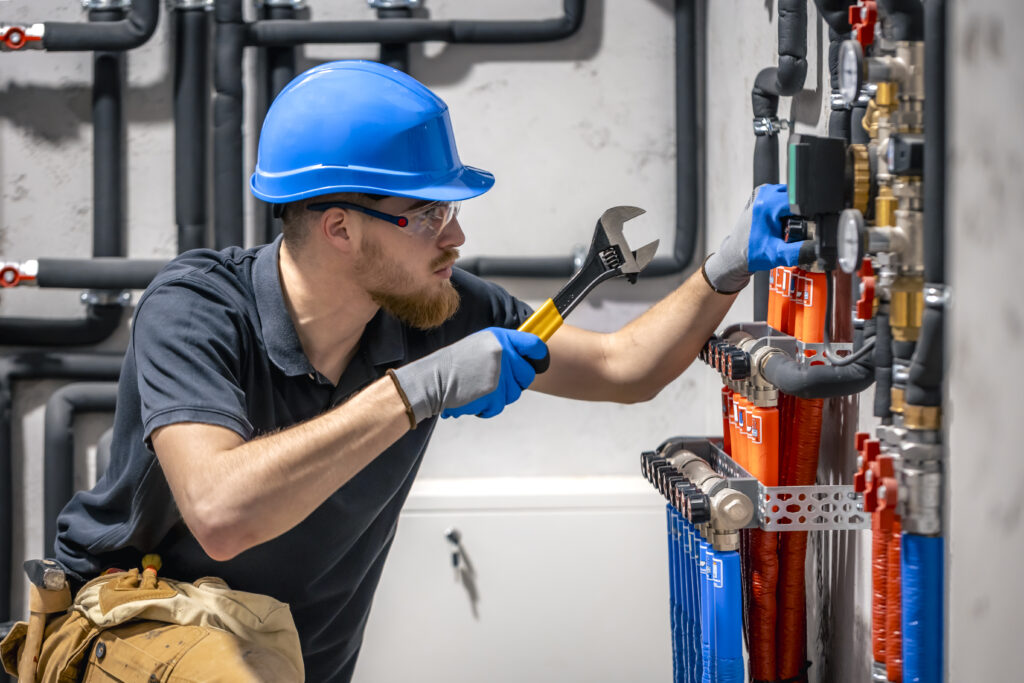
A smooth and stress free boiler installation in Abington, MA does not happen by chance. It requires clear planning, the right contractor, and a good understanding of how heating systems work in local properties. Whether you own a small business, manage a commercial space, or take care of a residential property, heating problems can cause discomfort, lost time, and unexpected costs. This guide explains each step in a clear and simple way so you can avoid delays, reduce risks, and make confident decisions during your boiler installation in Abington, MA. Why Proper Planning Is Important Before Installing a Boiler Abington experiences long cold seasons, which means heating systems must work reliably every day. Many buildings in the area also have older plumbing or heating setups that need extra attention. Planning helps you identify possible problems before installation begins. When planning is done correctly, your boiler installation in Abington, MA can help prevent surprise repairs, scheduling issues, and higher energy bills. Good planning helps you avoid problems such as oversized or undersized equipment, missed permits, and system breakdowns during peak winter months. Step One Understand Your Heating Needs Every building has different heating requirements. The size of the space, ceiling height, insulation quality, and how often the property is used all matter. A proper evaluation ensures the boiler can heat the space evenly without wasting fuel. Before starting a boiler installation in Abington, MA, a professional should check your current boiler, fuel type, and heating distribution system. If you plan future upgrades or plumbing for home additions in Abington, MA, that should also be considered during this stage. Choosing the correct system size helps maintain comfort and keeps operating costs under control. Step Two Select the Right Boiler for Your Property Not all boilers work the same way. Some are better suited for residential properties, while others work best for commercial spaces. Fuel type also plays a role in performance and long term costs. A skilled technician will explain how different boilers perform and how each option affects your boiler installation in Abington, MA. The goal is to select a unit that matches your needs without unnecessary complexity. Many property owners also take this opportunity to plan water heater installation in Abington, MA, which can save time and reduce overall disruption. Step Three Set a Clear and Honest Budget Budgeting is more than just purchasing the boiler. A realistic budget includes installation labor, removal of old equipment, permits, and system testing. When planning your boiler installation in Abington, MA, request a detailed estimate that explains each cost clearly. This helps you compare providers and avoid unexpected charges during the project. A clear budget also helps business owners plan around cash flow and operating schedules. Step Four Follow Local Codes and Permit Requirements Heating installations must meet Massachusetts safety and building regulations. Skipping permits can cause serious issues, including fines and failed inspections. Your contractor should handle the permit process and make sure your boiler installation in Abington, MA follows all local rules. Proper documentation also protects your warranty and insurance coverage. Inspections ensure the system operates safely and efficiently once installation is complete. Step Five Choose an Experienced Local Contractor Local experience matters when it comes to heating systems. Contractors familiar with Abington understand common building layouts, older piping systems, and seasonal challenges. When selecting a provider for boiler installation in Abington, MA, look for licensing, insurance, and strong local references. Clear communication and dependable scheduling are also essential. Working with a trusted local team improves response times and ensures ongoing support after installation. Step Six Prepare the Space Before Installation Begins Proper preparation helps avoid delays and keeps the project moving smoothly. Clear the area around the boiler, protect nearby surfaces, and confirm utility access. Before your boiler installation in Abington, MA starts, make sure technicians can easily reach the work area. Notify staff or occupants about temporary heating interruptions. Preparation reduces installation time and limits disruption to daily operations. Step Seven Focus on Installation Quality Even the best boiler will not perform well if it is installed incorrectly. Proper piping, ventilation, and system controls are essential for safe and efficient operation. During a boiler installation in Abington, MA, professionals must ensure all components are correctly connected and tested. Attention to detail at this stage affects performance, energy use, and system lifespan. Quality installation protects your investment and prevents frequent service calls. Step Eight System Testing and Final Checks Once installation is complete, the system must be tested carefully. This step confirms that everything works as expected. Testing includes checking pressure levels, inspecting connections, and adjusting controls. During your boiler installation in Abington, MA, ask for a walkthrough so you understand how to operate the system. Knowing how your boiler functions helps you identify early warning signs and maintain consistent performance. Step Nine Plan Ongoing Maintenance Regular maintenance keeps your boiler running safely and efficiently. Annual service helps detect small issues before they become expensive repairs. After completing a boiler installation in Abington, MA, set reminders for inspections and keep records of all service visits. Routine maintenance improves energy efficiency and extends system life. A well maintained boiler provides reliable heat year after year. Common Mistakes to Avoid During Boiler Installation Many issues arise from rushed decisions or poor planning. Avoid choosing equipment without proper evaluation or ignoring future expansion plans like plumbing for home additions in Abington, MA. Skipping inspections or delaying maintenance can shorten system life and increase costs. Taking the time to do things correctly ensures your boiler installation in Abington, MA delivers long term value. Conclusion Are you searching for a simple and reliable way to complete a boiler installation without stress or delays Choosing the right steps makes all the difference. A successful boiler installation in Abington, MA depends on planning, skilled workmanship, and regular care. Steel Hill Plumbing and Heating is known for providing dependable plumbing, heating, and home renovation services. Their experience with boiler installation in Abington, MA, along with support for
What Type of Boiler is Best for the Cold U.S. States Like Minnesota or New York?
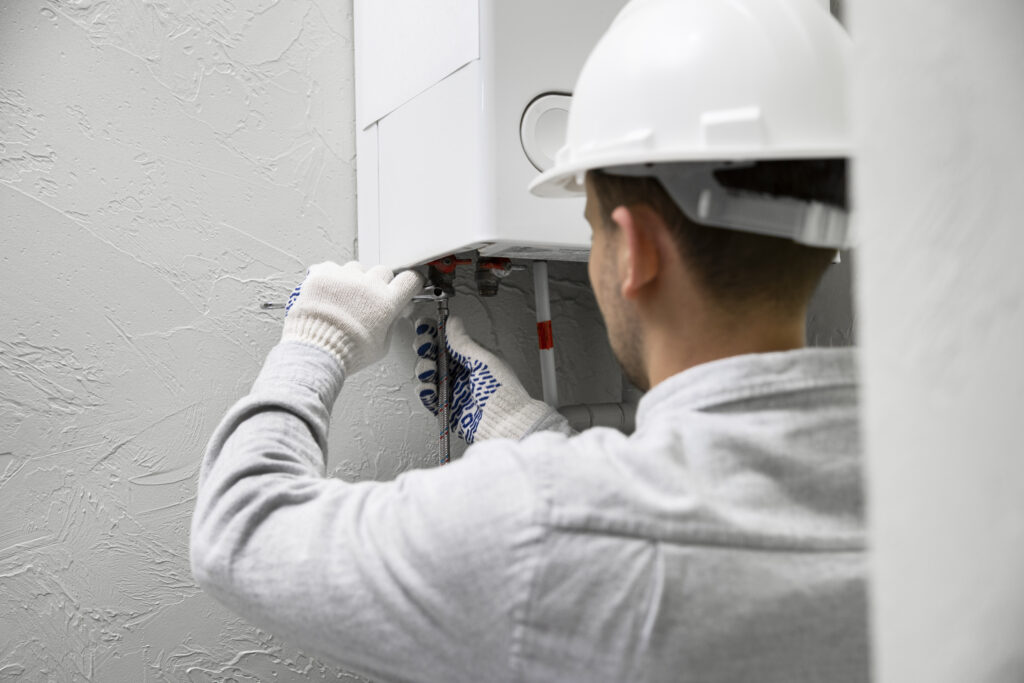
When freezing winds blow across Minnesota or heavy snow covers New York, people rely on their heating systems more than ever. A reliable boiler is not only about staying warm but also about comfort, safety, and saving energy. If you are planning a new boiler installation for your home or business, it is important to pick a system that can handle extreme cold temperatures. This guide explains which types of boilers work best in colder U.S. states, what features you should look for, and how proper maintenance helps your heating system last longer. Why Choosing the Right Boiler Matters in Cold Weather Boilers are the heart of any heating system. In areas where temperatures drop far below freezing, the type of boiler you choose makes a big difference. If your boiler is too weak, it can fail when you need it most. On the other hand, an efficient and properly sized boiler keeps your property warm, reduces your energy bills, and helps prevent expensive damage such as frozen pipes. That is why homeowners and businesses in Minnesota, New York, and nearby states should always choose a boiler designed for long and harsh winters. Common Boiler Types for Cold Climates There are several types of boilers available today. Each type works differently and suits specific buildings and heating needs. Let us go through the main options. 1. Combi Boilers A combi boiler provides both heating and hot water from one compact unit. It does not store hot water in a tank but heats the water when you turn on the tap. Reasons people choose it: • Saves space which makes it perfect for small homes or apartments• Provides instant hot water whenever you need it• Reduces energy waste since it heats only the required water Things to remember: If you have a large family or a building where many showers or faucets are used at the same time, a combi boiler may not keep up with the demand. It works best in homes with moderate hot water use. 2. System Boilers A system boiler heats water and stores it in a tank, which helps it handle high demand during cold days. Many important parts are built inside the boiler, making it more efficient and easier to maintain. Why it works well in cold areas: • Keeps hot water ready for use even when the temperature drops suddenly• Can handle multiple bathrooms or large spaces• Needs less maintenance since many parts are built in System boilers are a good choice for medium or large homes and commercial buildings that need steady heat and hot water. 3. Conventional Boilers Also known as regular boilers, these are traditional systems that use a separate water tank and a hot water cylinder. They are often found in older homes. Why people still choose them: • They work well with existing radiator systems• They have a proven design that many homeowners trust However, these boilers require more space and may lose heat if the water tank is not properly insulated. With modern upgrades, they can still perform efficiently in very cold climates. Understanding Boiler Technology Boilers come in two main designs that define how they transfer heat. Fire tube boilers have hot gases moving through tubes surrounded by water. They are often used in homes and smaller buildings. Water tube boilers have water running inside tubes while heat is applied from the outside. These are used in larger or commercial settings that require higher heating capacity. Both designs can provide great efficiency when installed correctly during a new boiler installation. Boiler Efficiency and Fuel Choices When choosing a boiler for areas like Minnesota or New York, energy efficiency should be one of your top priorities. Important things to check: • AFUE (Annual Fuel Utilization Efficiency): This shows how well your boiler converts fuel into heat. New systems can reach up to 98 percent efficiency.• Fuel type: • Natural gas is affordable and commonly available.• Propane is useful in rural areas without gas lines.• Oil systems are less efficient but still used in older homes. A highly efficient boiler not only saves money but also provides steady warmth during long winters without putting extra stress on the system. Importance of Boiler Repair and Maintenance Even the most efficient boiler will not perform well without regular care. Routine boiler repair and maintenance keeps your system safe, efficient, and long lasting. Here are some tasks professionals usually perform during a service visit:• Cleaning and testing the burner and sensors• Inspecting the heat exchanger for leaks or blockages• Checking the pump and pressure levels• Clearing out the condensate trap It is best to schedule maintenance once a year, preferably before winter starts, to prevent sudden breakdowns when temperatures are at their lowest. Choosing the Right Boiler for Homes and Businesses For homes: Homeowners often prefer combi or system boilers because they are efficient and fit smaller spaces comfortably. For businesses: Commercial properties usually require more heating power. They often use modular or water tube boilers that can handle larger areas with multiple heating zones. The ideal setup depends on your building size, insulation, and heat requirements. How to Select the Correct Size Boiler A boiler that is too small will struggle to keep the building warm, while a system that is too large will waste energy. Professionals calculate the proper size based on:• Total square footage of the property• Quality of insulation• Type and size of windows• Local climate and average winter temperatures A correctly sized boiler ensures consistent comfort and energy efficiency. Energy Rebates and Incentives Many states and utility companies in the U.S. offer rebates or tax credits for energy efficient new boiler installations, especially for systems with AFUE ratings above 90 percent. These programs can help reduce the initial cost of installation and make upgrading a more affordable investment. Conclusion Are you wondering which boiler can keep your home or business warm through the freezing winters of Minnesota or New York? The best option depends on your
What is the Best Boiler Replacement Option for Cold U.S. Climates?
When cold weather settles in and the temperature drops, having a dependable boiler is essential. For business owners, property managers, and local facility operators across the colder parts of the United States, the right heating boiler replacement can make a major difference. It is not only about keeping the space warm but also about reducing energy bills and maintaining long term comfort during freezing conditions. This guide explains how to choose the best boiler replacement for cold climates, which options perform best, and what factors to consider before making a decision. Why Replacing an Old Boiler is Important If your current boiler is old or inefficient, you are likely spending more than necessary on heating. Many older boilers operate at only about sixty to seventy percent efficiency, meaning much of the fuel you pay for is lost through the exhaust. Modern boilers are designed to use fuel far more effectively. Some new systems reach efficiency ratings above ninety percent, giving you more heat from the same amount of fuel. According to energy.gov, upgrading to a high efficiency boiler can reduce heating costs and energy waste significantly. For business owners and property managers, an upgrade is not just a comfort decision. It is also a practical way to manage costs and ensure consistent performance throughout harsh winter months. Things to Check Before Choosing a Heating Boiler Replacement Selecting the right heating boiler replacement involves more than just comparing prices. You need to think about how your building operates, the available energy sources, and your long term goals. Fuel Availability Check which type of fuel is accessible in your area. Natural gas is usually the most affordable, but if it is not available, you may consider propane, oil, or electricity. Efficiency Rating (AFUE) AFUE stands for Annual Fuel Utilization Efficiency. It measures how much fuel actually turns into usable heat. The higher the number, the better the performance and savings. Boiler Type Different systems like condensing, standard, or combination (combi) boilers offer different benefits. Choose based on your heating system and hot water needs. Size of the Building A small office or retail space requires a smaller system than a large warehouse or apartment building. Choosing the correct size prevents wasted energy and ensures consistent comfort. Maintenance Needs All boilers require yearly boiler repair and maintenance to keep them efficient and safe. Some high efficiency systems may also require periodic checks for venting and drainage. Cost vs Savings A high efficiency boiler might cost more at first, but it usually pays for itself over time through lower energy bills. The Best Boiler Options for Cold U.S. Climates Condensing Boilers A condensing boiler is one of the most energy efficient options for cold climates. It captures and reuses heat that would normally escape through exhaust gases, turning nearly all of the fuel energy into heat for your space. Why it is a good choice Condensing boilers can reach up to ninety eight percent efficiency, reducing heating costs while delivering steady warmth even in freezing weather. They are also more environmentally friendly, releasing fewer emissions. Best for Medium or large buildings that use hydronic heating or radiator systems. What to know Installation may require updates to venting and drainage, but the benefits in efficiency make it a worthwhile investment. Oil Fired Boilers If your building does not have access to natural gas, an oil fired boiler can be a strong alternative. Why it is a good choice These boilers provide powerful heat output, making them suitable for cold areas. Modern versions are much more efficient than older models and can offer reliable performance through long winters. Best for Buildings in rural or remote locations where natural gas is unavailable. What to know Oil boilers require more frequent maintenance, and oil prices can vary depending on market conditions. Combination Boilers A combi boiler provides both heating and hot water in one compact unit. This makes it convenient for buildings that need both functions but have limited space. Why it is a good choice Combi boilers save room and are energy efficient for smaller commercial spaces or multi unit properties. They are easy to install and deliver both hot water and warmth without needing a separate tank. Best for Small businesses, offices, or retail stores with limited space. What to know Combi boilers are best for moderate heating demand. In larger buildings or very cold regions, they may not produce enough heat and hot water simultaneously. High Efficiency Hydronic Boilers A high efficiency hydronic boiler uses hot water to distribute heat through radiators or in floor systems. This method provides even warmth and steady comfort throughout the building. Why it is a good choice Hydronic systems deliver consistent heat, avoid cold spots, and operate quietly. They also help maintain indoor humidity levels better than forced air systems. Best for Older buildings that already have radiators or medium sized facilities that need reliable and efficient heat. What to know Installation might involve some pipe adjustments, but it is often easier than installing a full duct based heating system. Are Heat Pumps a Better Option? Some property owners wonder if heat pumps can replace boilers in cold climates. In some cases, yes, but not always. Modern cold climate heat pumps have improved, and they can perform well in areas with milder winters. However, in regions where temperatures stay below freezing for long periods, boilers are usually a better choice. Heat pumps can also cost more to operate where electricity rates are high. If your property already uses a hydronic heating system, switching to a heat pump might also require major renovations, which adds cost. For most cold U.S. areas, a high efficiency boiler is still the most reliable and cost effective option. Why Regular Maintenance is Essential Once you have installed your heating boiler replacement, maintenance should become part of your regular routine. Keeping up with boiler repair and maintenance ensures the system runs smoothly, saves energy, and lasts longer. Regular service helps prevent costly breakdowns and
What Are the Main Water Heater Safety Risks Homeowners Should Know?
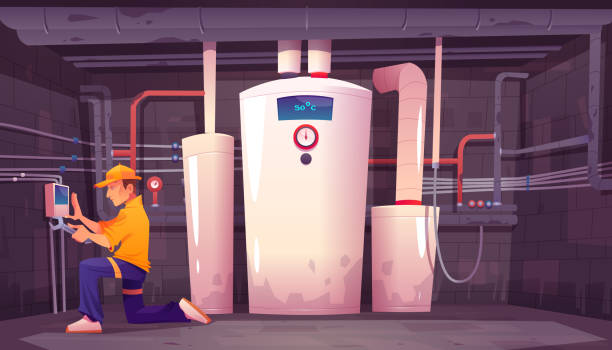
A water heater works quietly every day, but it still carries heat, pressure, and electrical power. This makes it an appliance that needs attention. Many people only notice a problem when they lose hot water, but safety issues often begin long before that moment. Understanding common risks helps you protect your home, save money, and keep your system running well with proper water heater maintenance. Here is a clear and simple overview of the main safety concerns every homeowner in the United States should be aware of. Why Water Heater Safety Should Be a Priority A water heater stores many gallons of water and uses strong heat to warm it. When something inside stops working the right way, issues can grow fast. These problems can include leaks, mold, higher energy bills, or, in extreme cases, fire hazards or pressure problems. Good water heater maintenance keeps your home safe and helps the system last longer. To make smart choices, homeowners must understand what can go wrong. Pressure Buildup and Tank Stress When a heater warms water, pressure forms inside the tank. This is normal, but pressure becomes unsafe when it has no way to escape. That can damage the tank and cause leaks or, in rare situations, tank failure. Common signs of pressure trouble • Loud popping or rumbling sounds• Water dripping from the temperature and pressure relief valve• Tank movement when heating starts Typical causes • Sediment inside the tank• Faulty pressure relief valve• Unsafe water temperature setting• Lack of regular water heater maintenance The pressure relief valve is the only part that releases extra pressure. When it stops working, the tank becomes unsafe. If a water heater makes loud popping sounds, it may need flushing or a hot water element replacement to restore normal heating. Fire Risks and Electrical Problems Both electric and gas water heaters can create fire risks when parts wear out or when wiring starts failing. Electrical unit risks • Loose or burnt wires• Damaged heating elements• Thermostat failure• Overheating due to worn components These problems often require a water heater element replacement to restore safe operation. Gas unit risks • Gas leaks• Blocked exhaust• Poor airflow• Carbon monoxide buildup Homes with gas units should always have carbon monoxide detectors installed. A blocked vent or leaking gas line is serious and must be fixed by a licensed professional. What homeowners can do • Keep flammable items far from the unit• Let trained technicians handle repairs• Check the area often for signs of burning smells• Schedule routine water heater maintenance once or twice a year Sediment Buildup Inside the Tank Sediment forms when minerals in water fall to the bottom of the tank. Homes in hard water areas face this more often. How sediment becomes a safety risk • Heating elements work harder and overheat• Pressure rises inside the tank• Loud noise comes from the system• Energy bills increase• Tank lifespan shortens Regular flushing is a simple part of water heater maintenance and helps control sediment. Do tankless heaters face sediment, too? Yes. Tankless systems collect scales that block water flow and reduce heating efficiency. Water Leaks and Flooding Concerns A small leak may not seem serious, but leaks often point to a bigger issue forming inside the tank. Typical causes • Rust inside the system• Loose pipe connections• Cracked tank• Faulty valve• Worn heating elements If leaks continue, homeowners often choose a replacement water heater because ongoing repairs become expensive. Temperature Problems and Burn Risks Water that becomes too hot increases the chance of burns, especially for children or older family members. Many heaters are set to unsafe temperatures without homeowners knowing. Recommended safe temperature The U.S. Consumer Product Safety Commission suggests 120 degrees Fahrenheit as a safe and practical setting. Why temperature issues happen • Old thermostats• Heating elements stuck in the on position• Poor water heater maintenance• Worn parts that no longer control heat correctly A damaged thermostat often requires repair or a hot water element replacement. Mold Growth and Indoor Air Concerns A slow water leak can raise indoor moisture and cause mold to grow. This is more common in warm states or in basements with poor ventilation. Signs of mold near your heater • Musty smell• Dark stains on walls or flooring• High humidity around the unit Mold affects indoor air and can bother people with allergies or asthma. Keeping the heater dry and scheduling regular water heater maintenance helps prevent this issue. Rust and Corrosion Inside the Tank Rust slowly damages the tank and can lead to leaks or discolored water. What causes rust • Old anode rod• Mineral deposits• Moisture around the tank• Lack of routine flushing• Old tank nearing the end of its lifespan Replacing the anode rod is an easy step that protects the tank, but many homeowners do not include it in their usual water heater maintenance schedule. Poor Ventilation in Gas Water Heaters Gas heaters need proper ventilation to release exhaust safely. When vents are blocked, harmful gases like carbon monoxide may enter the home. Common signs of poor airflow • Soot marks near the heater• Strange smell from the vent area• Yellow flame instead of a steady blue one• Headaches or dizziness when near the heater This problem must be fixed immediately because it affects indoor air safety. Old or Outdated Water Heaters Most water heaters last eight to twelve years. Older heaters often have weak parts and outdated safety features. Risks with older units • Thin tank walls• Weak heating elements• Frequent leaks• Increased energy use• Rust and corrosion When repairs become constant, a replacement water heater is usually a better long-term choice for comfort and safety. Simple Homeowner Checklist for Water Heater Safety Monthly • Look for any leaks• Check for unusual smell or noise• Keep the area clear of clutter Every six months • Flush the tank• Test the pressure relief valve• Inspect wiring or gas lines Every year • Schedule professional water heater maintenance• Replace aging parts• Ask for a
What Are the Best Budget Strategies for a Kitchen or Bathroom Remodel?

Planning a kitchen or bathroom remodel can be exciting, but the expenses can add up quickly if you don’t plan carefully. Whether you are a homeowner or a small business owner who wants to improve a property, having a strong budget strategy is the best way to keep costs under control. Working with home remodeling contractors who understand your goals will help you get the results you want without unnecessary stress or overspending. Why Good Budget Planning Is Important When it comes to remodeling, especially in the kitchen or bathroom, costs can rise fast because of plumbing, electrical work, or hidden damage. Creating a detailed budget with home renovation contractors helps you stay on track. A clear financial plan prevents surprises and gives you a full picture of what the project will cost. A proper budget also lets you decide how much to spend on materials, labor, and finishes. It keeps communication clear between you and the home renovation companies you hire. For small and medium-sized businesses in the United States, budgeting is even more important because any delay or mistake can affect daily operations and revenue. When you approach the project as affordable home renovations, it doesn’t mean cheap or low-quality work. It means making smart choices that balance design, durability, and cost efficiency. Step-by-Step Budget Strategies 1. Define Your Goals and Needs Before contacting any home remodeling contractors, ask yourself what you want from this remodel. Do you want better lighting? More functional storage? Updated plumbing or fixtures? Or do you want a new layout that makes daily use easier? Once you know your goals, list them in order of importance. For example, repairing leaks and replacing outdated flooring may come before choosing fancy countertops. This helps you focus your budget on what matters most first. Tip: Get a few cost estimates from home renovation contractors before setting your final budget. It gives you an idea of real-world prices in your area. 2. Set a Budget Range You Can Stick To Decide how much you can afford to spend from start to finish. It is better to plan a range rather than a single number. For instance, you can plan to spend between twelve thousand and eighteen thousand dollars. This gives you flexibility for unexpected adjustments later. Having a specific range shows that you are serious about the project and allows home remodeling companies to suggest realistic options within your comfort zone. 3. Divide the Budget Into Clear Categories Instead of creating a table, think of your budget as being divided into sections. A part of it will go to removing old materials and disposing of waste. Another part will go to plumbing and electrical work. You will also have a section for cabinetry, countertops, flooring, and fixtures. Leave a percentage of your total amount aside for labor costs. And finally, keep a small portion as your backup fund in case something unexpected comes up. This is your safety net to avoid panic if any surprise repair is needed. 4. Collect Multiple Bids From Contractors Do not settle for the first contractor you meet. Contact at least three different home remodeling contractors or home renovation companies. Give each of them the same list of what you want done and ask for detailed quotes. Compare what they include in their pricing. Some might include materials, while others might not. Check how long they estimate the job will take, who will handle permits, and what payment plan they offer. This step not only helps you save money but also shows you who communicates clearly and who understands your expectations. 5. Make Smart Material and Finish Choices Materials and finishes can make a big difference in the total cost. You don’t always need the most expensive options to get a beautiful result. Choose wisely. For example, you can refinish or paint your existing cabinets instead of replacing them. You can choose engineered stone or quartz instead of expensive marble. For flooring, try porcelain or luxury vinyl tile instead of high-end ceramic. This way, you still get a stylish and durable look while keeping the remodel as affordable home renovations. When talking to custom home remodeling experts, mention where you want to save and where you want premium quality. 6. Plan the Remodel in Phases If your budget is limited, complete the remodel in two stages. In the first phase, finish the most important tasks like flooring, plumbing, and fixtures. In the second phase, add luxury touches such as custom lighting or decorative features. This method spreads the cost out over time and allows you to keep your home or business running without a long break. Many home renovation contractors are open to this approach if you discuss it early. 7. Keep a Contingency Fund Even the best-planned remodels can uncover surprises such as old wiring or leaks behind walls. Setting aside at least five to ten percent of your total budget gives you a cushion to handle these issues calmly. Without that safety margin, you may end up sacrificing important parts of the design or delaying the work. 8. Avoid Scope Creep It’s easy to get tempted by extra ideas once the work starts. Maybe you decide you also want new windows or a backsplash you saw online. These little changes can grow into big costs. Keep a list of every change and its cost. Only approve what is necessary or truly improves your daily use. Controlling changes is the best way to keep your finances stable during the remodel. 9. Review the Payment Schedule A trustworthy home remodeling company will never ask for the entire payment upfront. Usually, you will pay a small deposit first, then make progress payments as different stages are completed. The final payment should only happen once the work is finished and inspected. This method ensures accountability and helps you feel secure that the job will be done properly. 10. Track Your Spending Throughout Use a simple notebook or spreadsheet to record how much you
How Can Routine Water Heater Maintenance Lower Your Energy Bills?
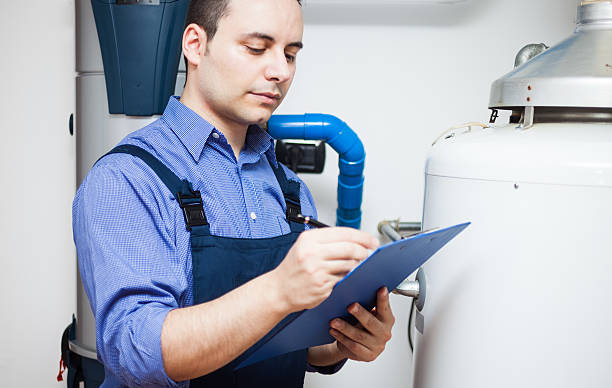
Many homeowners and small business owners in the United States do not realize how much money is lost every year through an inefficient water heater. This system quietly works in the background every day, but when it is not maintained, it can use far more energy than needed. Whether you run a small office, manage a warehouse, or own a local business in Rockland, keeping your hot water system in good condition can save you a noticeable amount on your energy bills. The simple habit of scheduling routine water heater maintenance can make a big difference in both your comfort and your monthly expenses. Let us look at how taking care of your water heater, including regular water heater element replacement, helps reduce waste, extends the life of your equipment, and keeps your bills lower. Why Your Water Heater Has a Big Impact on Energy Costs Your water heater is one of the most energy-hungry appliances in any home or business property. According to the U.S. Department of Energy, water heating can make up nearly 18 percent of your energy bill. When the system is not working efficiently, that number can increase quickly. Even a small layer of mineral buildup, a weak heating element, or a faulty thermostat can cause unnecessary energy use. For business owners, these small losses can turn into hundreds or even thousands of dollars over time. Routine care keeps your heater performing close to its original efficiency level. That means it uses less energy to heat the same amount of water, saving you money every month. What Routine Water Heater Maintenance Includes Maintaining a water heater is easier than most people think. You just need to focus on a few important steps. Whether you have an older system or a new replacement water heater, these steps can help improve efficiency and reduce energy use. 1. Flushing out sediment Over time, minerals in the water settle at the bottom of the tank. This buildup makes it harder for the heating element to warm the water. Flushing the tank once or twice a year removes these minerals and helps the heater work faster and use less energy. 2. Inspecting and replacing heating elements Electric water heaters have heating elements that can become covered with scale or corrosion. When that happens, the water takes longer to heat and energy use increases. Replacing worn or damaged elements through hot water element replacement restores performance and saves energy. 3. Checking thermostat and safety valves If the thermostat is not working properly or is set too high, the water heater wastes power. The temperature and pressure valve also needs to be tested regularly to ensure safe operation and prevent energy loss. 4. Replacing the anode rod Many tank-type heaters include an anode rod that protects the tank from rust. When this rod wears out, the tank starts to corrode, reducing its efficiency. Changing the anode rod at the right time keeps your heater working well for many years. 5. Adding insulation Insulating the water heater and hot water pipes prevents heat from escaping. This simple step keeps the water hotter for longer and reduces the amount of energy needed to reheat it. Doing these simple tasks once or twice each year can maintain efficiency and prevent expensive repairs later. How Regular Maintenance Reduces Energy Bills Regular maintenance has several clear benefits that directly lower your energy costs. Better heat transfer When heating elements are clean and free of mineral buildup, the water heats more quickly and efficiently. Routine hot water element replacement ensures that your heater is not wasting energy. Less standby energy waste When sediment or poor insulation forces the heater to run longer, energy is wasted even when you are not using hot water. Cleaning and insulating the unit helps it stay at the right temperature without running constantly. Longer system life A properly maintained heater lasts much longer. By taking care of your system, you delay the need for water heater repair & replacement, which saves money in the long term. Fewer breakdowns Regular inspections prevent small problems from turning into emergencies. Identifying issues such as weak heating elements early can stop sudden failures that would otherwise require costly service. Stable water temperature Maintenance also keeps the water temperature consistent, improving comfort for everyone using the system. A Simple Maintenance Plan for Business Owners If you manage a business, creating a simple maintenance plan for your water heater can keep things running efficiently all year long. Here is an easy schedule to follow: By following this plan, you can prevent unexpected breakdowns and ensure that your hot water system operates efficiently. Knowing When to Choose a Replacement Water Heater Even with excellent maintenance, every water heater has a lifespan. There comes a time when replacing the unit makes more sense than continuing repairs. You may need a new system if any of the following applies: • Your heater is more than ten years old• Energy bills stay high even after maintenance• The heater breaks down frequently• There are leaks or corrosion on the tank• You need more hot water for growing business needs A replacement water heater can be more energy-efficient and reliable than older models. Newer designs use better insulation and smarter controls that save significant energy over time. Why Water Heater Element Replacement Matters So Much In electric or hybrid models, the heating elements are the most important parts. They are responsible for turning electrical energy into heat. When they are coated with scale or corrosion, it takes longer to heat the water, which increases energy costs. A timely water heater element replacement keeps your system efficient and prevents unnecessary wear. It is a quick and affordable repair that can make a big difference in performance. Many people ignore these elements until the system stops working, but replacing them early prevents larger issues. If this maintenance is skipped for too long, the water heater can overheat or even start leaking. At that stage, you might need