
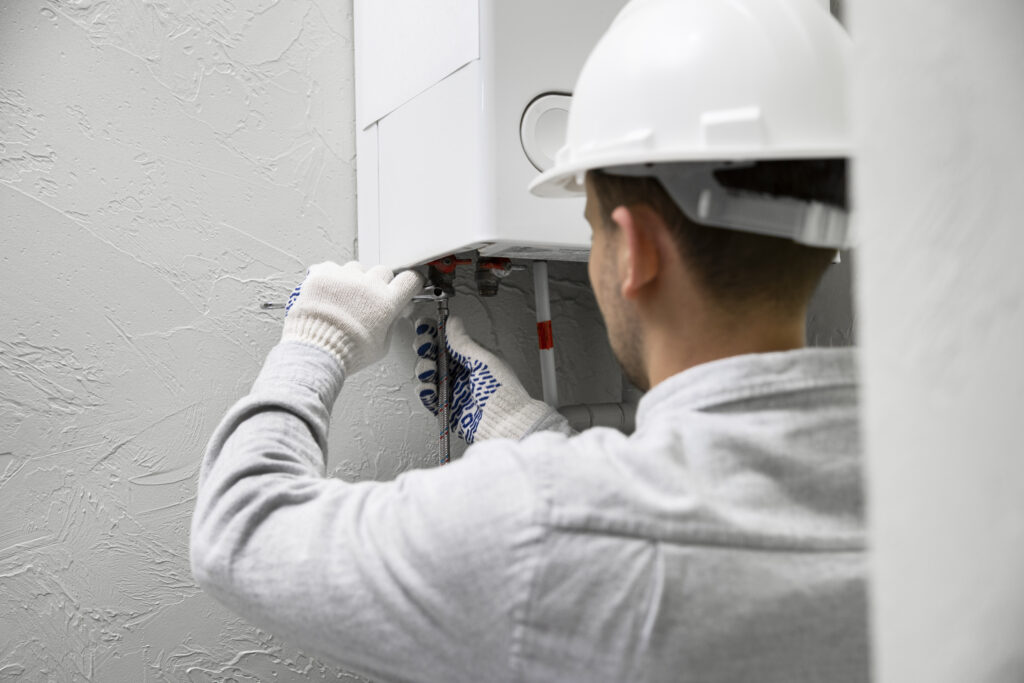
When freezing winds blow across Minnesota or heavy snow covers New York, people rely on their heating systems more than ever. A reliable boiler is not only about staying warm but also about comfort, safety, and saving energy. If you are planning a new boiler installation for your home or business, it is important to pick a system that can handle extreme cold temperatures.
This guide explains which types of boilers work best in colder U.S. states, what features you should look for, and how proper maintenance helps your heating system last longer.
Why Choosing the Right Boiler Matters in Cold Weather
Boilers are the heart of any heating system. In areas where temperatures drop far below freezing, the type of boiler you choose makes a big difference. If your boiler is too weak, it can fail when you need it most. On the other hand, an efficient and properly sized boiler keeps your property warm, reduces your energy bills, and helps prevent expensive damage such as frozen pipes.
That is why homeowners and businesses in Minnesota, New York, and nearby states should always choose a boiler designed for long and harsh winters.
Common Boiler Types for Cold Climates
There are several types of boilers available today. Each type works differently and suits specific buildings and heating needs. Let us go through the main options.
1. Combi Boilers
A combi boiler provides both heating and hot water from one compact unit. It does not store hot water in a tank but heats the water when you turn on the tap.
Reasons people choose it:
• Saves space which makes it perfect for small homes or apartments
• Provides instant hot water whenever you need it
• Reduces energy waste since it heats only the required water
Things to remember:
If you have a large family or a building where many showers or faucets are used at the same time, a combi boiler may not keep up with the demand. It works best in homes with moderate hot water use.
2. System Boilers
A system boiler heats water and stores it in a tank, which helps it handle high demand during cold days. Many important parts are built inside the boiler, making it more efficient and easier to maintain.
Why it works well in cold areas:
• Keeps hot water ready for use even when the temperature drops suddenly
• Can handle multiple bathrooms or large spaces
• Needs less maintenance since many parts are built in
System boilers are a good choice for medium or large homes and commercial buildings that need steady heat and hot water.
3. Conventional Boilers
Also known as regular boilers, these are traditional systems that use a separate water tank and a hot water cylinder. They are often found in older homes.
Why people still choose them:
• They work well with existing radiator systems
• They have a proven design that many homeowners trust
However, these boilers require more space and may lose heat if the water tank is not properly insulated. With modern upgrades, they can still perform efficiently in very cold climates.
Understanding Boiler Technology
Boilers come in two main designs that define how they transfer heat.
Fire tube boilers have hot gases moving through tubes surrounded by water. They are often used in homes and smaller buildings.
Water tube boilers have water running inside tubes while heat is applied from the outside. These are used in larger or commercial settings that require higher heating capacity.
Both designs can provide great efficiency when installed correctly during a new boiler installation.
Boiler Efficiency and Fuel Choices
When choosing a boiler for areas like Minnesota or New York, energy efficiency should be one of your top priorities.
Important things to check:
• AFUE (Annual Fuel Utilization Efficiency): This shows how well your boiler converts fuel into heat. New systems can reach up to 98 percent efficiency.
• Fuel type:
• Natural gas is affordable and commonly available.
• Propane is useful in rural areas without gas lines.
• Oil systems are less efficient but still used in older homes.
A highly efficient boiler not only saves money but also provides steady warmth during long winters without putting extra stress on the system.
Importance of Boiler Repair and Maintenance
Even the most efficient boiler will not perform well without regular care. Routine boiler repair and maintenance keeps your system safe, efficient, and long lasting.
Here are some tasks professionals usually perform during a service visit:
• Cleaning and testing the burner and sensors
• Inspecting the heat exchanger for leaks or blockages
• Checking the pump and pressure levels
• Clearing out the condensate trap
It is best to schedule maintenance once a year, preferably before winter starts, to prevent sudden breakdowns when temperatures are at their lowest.
Choosing the Right Boiler for Homes and Businesses
For homes:
Homeowners often prefer combi or system boilers because they are efficient and fit smaller spaces comfortably.
For businesses:
Commercial properties usually require more heating power. They often use modular or water tube boilers that can handle larger areas with multiple heating zones.
The ideal setup depends on your building size, insulation, and heat requirements.
How to Select the Correct Size Boiler
A boiler that is too small will struggle to keep the building warm, while a system that is too large will waste energy. Professionals calculate the proper size based on:
• Total square footage of the property
• Quality of insulation
• Type and size of windows
• Local climate and average winter temperatures
A correctly sized boiler ensures consistent comfort and energy efficiency.
Energy Rebates and Incentives
Many states and utility companies in the U.S. offer rebates or tax credits for energy efficient new boiler installations, especially for systems with AFUE ratings above 90 percent. These programs can help reduce the initial cost of installation and make upgrading a more affordable investment.
Conclusion
Are you wondering which boiler can keep your home or business warm through the freezing winters of Minnesota or New York? The best option depends on your heating needs and building size. Combi boilers are excellent for smaller properties, while system or upgraded traditional boilers are ideal for larger homes or commercial buildings.
No matter which one you choose, professional installation and regular maintenance make all the difference.
If you are in Rockland or nearby areas, Steel Hill Plumbing and Heating is a trusted local company offering reliable boiler replacement services. Their experts can help you select, install, and maintain the right heating system to keep you comfortable all winter.
Ready to enjoy consistent warmth and better energy savings?
Contact US today to schedule your new boiler installation and experience dependable heating for years to come.
Frequently Asked Questions (FAQs)
How often should a boiler be serviced?
It is recommended to have it serviced once every year before the winter season.
Can I upgrade from an old boiler to a modern one?
Yes, upgrading can reduce heating costs and improve efficiency.
Do modern boilers work with smart thermostats?
Yes, most new boilers are compatible with smart thermostats for better control and comfort.
Is a combi boiler suitable for cold climates?
Yes, but it must be the correct size for your home and installed by professionals.
How long does a modern boiler last?
With proper maintenance, most boilers last between fifteen and twenty years.