
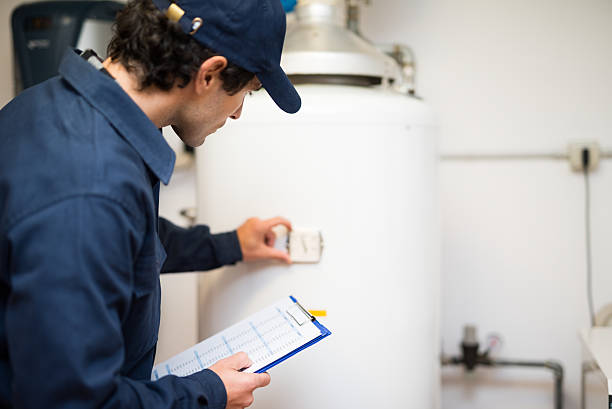
A warm shower on a cold morning is something most of us take for granted. But when the water suddenly turns cold, it can ruin your whole day. The truth is, your water heater works quietly in the background every single day, and just like any other appliance, it will eventually need attention. The big question is — how do you know when it’s better to repair your water heater or replace it altogether?
In this guide, we’ll help you understand the difference between a repair and a replacement. You’ll also learn what signs to look for and how regular water heater maintenance can save you time and money.
Understanding How Water Heater Maintenance Helps
Before deciding whether to repair or replace, it’s important to know how basic water heater maintenance can keep your system in good shape. A properly maintained water heater not only lasts longer but also uses less energy and performs better.
Here are a few maintenance tasks you should not ignore:
Flush the tank once a year to remove built-up sediment that reduces efficiency.
Inspect the anode rod to make sure it’s still protecting your tank from rust.
Test the pressure relief valve regularly for safety.
Check the thermostat and heating elements to ensure they are working correctly.
Most plumbing professionals recommend having your water heater inspected at least once a year. This simple habit helps prevent sudden breakdowns and expensive repairs later on.
Signs That Show Your Water Heater Needs Attention
Your water heater will often show small signs before a major failure. Paying attention to these signs can help you decide whether a repair is enough or if you need a replacement water heater.
1. You Get Inconsistent or No Hot Water
If your water turns cold faster than usual or you don’t get any hot water, the problem could be a broken heating element or thermostat. Sometimes, it just needs a hot water element replacement. In most cases, this is an easy and affordable fix.
2. You Hear Strange Noises from the Tank
Popping or rumbling noises often happen because of sediment buildup inside the tank. The sediment traps heat and causes the water heater to work harder than it should. Regular water heater maintenance helps prevent this and keeps your unit running quietly.
3. Your Water Looks Rusty or Cloudy
If you notice rusty or discolored water, your tank may be rusting from the inside. When corrosion starts, the lining of your water heater breaks down, and that means it’s time to plan for a replacement water heater before leaks occur.
4. There’s Water Around the Base of the Unit
Even a small puddle around your water heater can signal trouble. It may be caused by a small crack or loose valve. If the tank itself is leaking, repairs won’t help. You’ll need a new unit to avoid water damage.
5. The Unit Is Too Old
A typical electric or gas water heater lasts about ten years. If yours is older and needs frequent repairs, replacing it might save you money in the long run. A newer model will also be more energy-efficient.
When Repairing Your Water Heater Makes Sense
Not every problem means your water heater has reached the end of its life. In many cases, a repair is all you need, especially if the unit is still relatively new.
Here are situations where repair is the smarter option:
- The water heater is less than eight years old.
- The problem involves parts like thermostats, heating elements, or valves.
- The repair cost is reasonable compared to buying a new unit.
For example, if your water heater suddenly stops heating but is only a few years old, replacing the heating element or thermostat can quickly fix the issue. A professional plumber can do this job safely and efficiently.
When It’s Better to Replace Your Water Heater
Sometimes, even the best repair won’t make much difference. If your unit is old or breaking down often, investing in a replacement water heater is usually the better decision.
Here are signs that point toward replacement:
You’re calling for repairs too often.
Frequent repairs add up quickly and can cost more than installing a new unit.
Your energy bills keep going up.
Older water heaters lose efficiency. When you start paying more every month for the same amount of hot water, it’s a clue that your heater is wasting energy.
You see rust or corrosion.
Rust is a clear sign that your tank is weakening. Once corrosion starts, it only gets worse over time.
There’s water damage near your heater.
Leaks can damage your walls, flooring, and nearby equipment. It’s safer to replace the entire unit rather than risk bigger problems later.
You have an outdated model.
Modern water heaters are designed to use less energy and provide hot water more consistently. Upgrading to a new system, such as a tankless water heater, can reduce your energy costs and provide endless hot water when you need it.
Cost Comparison Between Repair and Replacement
When deciding whether to repair or replace your water heater, think about the overall cost, not just the immediate expense. A repair might seem cheaper today, but if your system keeps breaking down, it can cost more in the long term.
If the repair cost is close to half the price of a new water heater, replacement is often the better financial choice. With a new system, you also get a longer warranty, improved performance, and better energy efficiency.
Tips to Make Your Water Heater Last Longer
Whether your system is new or old, regular care can help it work better and last longer. Follow these simple maintenance tips:
- Flush your tank every year to remove sediment.
- Inspect the anode rod every few years to prevent corrosion.
- Keep your thermostat set around 120 degrees for safety and energy savings.
- Test the pressure relief valve regularly.
- Schedule annual professional water heater maintenance to catch small issues early.
These small steps can extend your heater’s life by several years and keep it running efficiently.
Why Replacing Your Water Heater Can Save Money and Energy
Modern water heaters are much more efficient than older models. They heat water faster, use less energy, and are safer to operate. Replacing your outdated unit with a replacement water heater that meets new efficiency standards can lower your energy bills and reduce your environmental impact.
For small and medium-sized businesses, this upgrade can also make daily operations smoother and reduce unexpected downtime caused by equipment failure.
Final Thoughts
Deciding whether to repair or replace your water heater can be tricky, but understanding your system’s age, condition, and performance helps make the choice easier. Regular water heater maintenance is always worth it because it prevents major failures and keeps your hot water flowing smoothly.
If your system is no longer performing well or you’re unsure what to do, contact Steel Hill Plumbing & Heating. Their experienced team provides expert water heater repair and replacement services. Whether you need a quick hot water element replacement or a full installation of a new unit, they can guide you toward the most cost-effective solution.
Steel Hill Plumbing & Heating serves both homes and businesses across the United States, offering reliable service, clear pricing, and quality workmanship you can trust. Reach out to their team to schedule an inspection and make sure your hot water never runs out.
Frequently Asked Questions
1. How long does a water heater usually last?
Most traditional models last between eight and twelve years, while tankless systems can last up to twenty years with proper care.
2. Can I repair a leaking water heater?
You can repair leaks from fittings or valves, but if the tank itself is leaking, replacement is the only safe solution.
3. How often should I schedule maintenance?
At least once a year. Routine water heater maintenance helps avoid expensive repairs and extends the lifespan of your unit.
4. What causes a water heater to fail?
The most common reasons are sediment buildup, corrosion, and neglected maintenance. Regular flushing and inspection prevent these problems.
5. Are tankless water heaters a good choice for small businesses?
Yes, they are energy-efficient and provide continuous hot water, making them an excellent investment for businesses that rely on consistent hot water supply.