
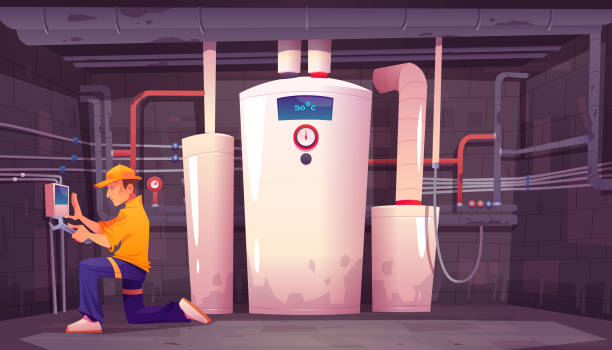
A water heater works quietly every day, but it still carries heat, pressure, and electrical power. This makes it an appliance that needs attention. Many people only notice a problem when they lose hot water, but safety issues often begin long before that moment.
Understanding common risks helps you protect your home, save money, and keep your system running well with proper water heater maintenance.
Here is a clear and simple overview of the main safety concerns every homeowner in the United States should be aware of.
Why Water Heater Safety Should Be a Priority
A water heater stores many gallons of water and uses strong heat to warm it. When something inside stops working the right way, issues can grow fast. These problems can include leaks, mold, higher energy bills, or, in extreme cases, fire hazards or pressure problems.
Good water heater maintenance keeps your home safe and helps the system last longer. To make smart choices, homeowners must understand what can go wrong.
Pressure Buildup and Tank Stress
When a heater warms water, pressure forms inside the tank. This is normal, but pressure becomes unsafe when it has no way to escape. That can damage the tank and cause leaks or, in rare situations, tank failure.
Common signs of pressure trouble
• Loud popping or rumbling sounds
• Water dripping from the temperature and pressure relief valve
• Tank movement when heating starts
Typical causes
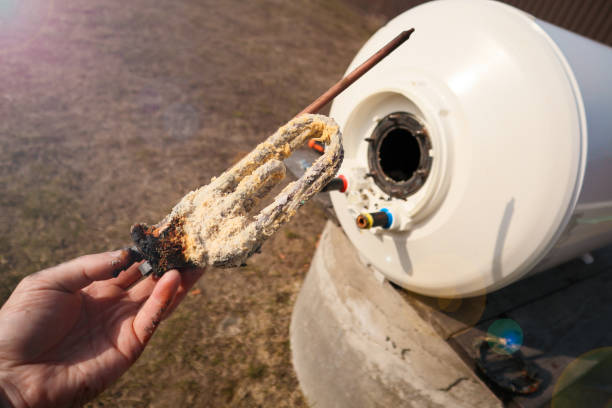
• Sediment inside the tank
• Faulty pressure relief valve
• Unsafe water temperature setting
• Lack of regular water heater maintenance
The pressure relief valve is the only part that releases extra pressure. When it stops working, the tank becomes unsafe.
If a water heater makes loud popping sounds, it may need flushing or a hot water element replacement to restore normal heating.
Fire Risks and Electrical Problems
Both electric and gas water heaters can create fire risks when parts wear out or when wiring starts failing.
Electrical unit risks
• Loose or burnt wires
• Damaged heating elements
• Thermostat failure
• Overheating due to worn components
These problems often require a water heater element replacement to restore safe operation.
Gas unit risks
• Gas leaks
• Blocked exhaust
• Poor airflow
• Carbon monoxide buildup
Homes with gas units should always have carbon monoxide detectors installed. A blocked vent or leaking gas line is serious and must be fixed by a licensed professional.
What homeowners can do
• Keep flammable items far from the unit
• Let trained technicians handle repairs
• Check the area often for signs of burning smells
• Schedule routine water heater maintenance once or twice a year
Sediment Buildup Inside the Tank
Sediment forms when minerals in water fall to the bottom of the tank. Homes in hard water areas face this more often.
How sediment becomes a safety risk
• Heating elements work harder and overheat
• Pressure rises inside the tank
• Loud noise comes from the system
• Energy bills increase
• Tank lifespan shortens
Regular flushing is a simple part of water heater maintenance and helps control sediment.
Do tankless heaters face sediment, too?
Yes. Tankless systems collect scales that block water flow and reduce heating efficiency.
Water Leaks and Flooding Concerns
A small leak may not seem serious, but leaks often point to a bigger issue forming inside the tank.
Typical causes
• Rust inside the system
• Loose pipe connections
• Cracked tank
• Faulty valve
• Worn heating elements
If leaks continue, homeowners often choose a replacement water heater because ongoing repairs become expensive.
Temperature Problems and Burn Risks
Water that becomes too hot increases the chance of burns, especially for children or older family members. Many heaters are set to unsafe temperatures without homeowners knowing.
Recommended safe temperature
The U.S. Consumer Product Safety Commission suggests 120 degrees Fahrenheit as a safe and practical setting.
Why temperature issues happen
• Old thermostats
• Heating elements stuck in the on position
• Poor water heater maintenance
• Worn parts that no longer control heat correctly
A damaged thermostat often requires repair or a hot water element replacement.
Mold Growth and Indoor Air Concerns
A slow water leak can raise indoor moisture and cause mold to grow. This is more common in warm states or in basements with poor ventilation.
Signs of mold near your heater
• Musty smell
• Dark stains on walls or flooring
• High humidity around the unit
Mold affects indoor air and can bother people with allergies or asthma. Keeping the heater dry and scheduling regular water heater maintenance helps prevent this issue.
Rust and Corrosion Inside the Tank
Rust slowly damages the tank and can lead to leaks or discolored water.
What causes rust
• Old anode rod
• Mineral deposits
• Moisture around the tank
• Lack of routine flushing
• Old tank nearing the end of its lifespan
Replacing the anode rod is an easy step that protects the tank, but many homeowners do not include it in their usual water heater maintenance schedule.
Poor Ventilation in Gas Water Heaters
Gas heaters need proper ventilation to release exhaust safely. When vents are blocked, harmful gases like carbon monoxide may enter the home.
Common signs of poor airflow
• Soot marks near the heater
• Strange smell from the vent area
• Yellow flame instead of a steady blue one
• Headaches or dizziness when near the heater
This problem must be fixed immediately because it affects indoor air safety.
Old or Outdated Water Heaters
Most water heaters last eight to twelve years. Older heaters often have weak parts and outdated safety features.
Risks with older units
• Thin tank walls
• Weak heating elements
• Frequent leaks
• Increased energy use
• Rust and corrosion
When repairs become constant, a replacement water heater is usually a better long-term choice for comfort and safety.
Simple Homeowner Checklist for Water Heater Safety
Monthly
• Look for any leaks
• Check for unusual smell or noise
• Keep the area clear of clutter
Every six months
• Flush the tank
• Test the pressure relief valve
• Inspect wiring or gas lines
Every year
• Schedule professional water heater maintenance
• Replace aging parts
• Ask for a full safety review
When to Call a Professional Without Delay
Call a licensed plumber immediately if you see any of the following:
• Burning smell
• Pooling water near the unit
• Strange hissing or popping noises
• Water that turns brown or rusty
• Gas smell
• Sudden spikes in water temperature
A trained technician can repair problems or carry out a safe water heater element replacement when needed.
Conclusion
A water heater plays an important part in daily comfort, but it needs steady care to stay safe. Pressure problems, wiring issues, sediment buildup, leaks, mold, and outdated parts can all put your home at risk. Regular water heater maintenance helps you avoid trouble, save money, and keep the system working smoothly.
If you want service from a trusted local company, Steel Hill Plumbing and Heating is known for dependable repairs and professional water heater element replacement. They help homeowners keep their water heaters safe, clean, and ready for steady performance.
Need a Trusted Professional for Your Water Heater?
If your water heater is showing signs of pressure issues, electrical trouble, or uneven heating, this is the right time to bring in a trained expert. A skilled technician can inspect the system, repair worn parts, and guide you on safe and smart water heater maintenance.
This helps you avoid costly damage and keeps hot water running smoothly throughout your home. For fast, reliable service, reach out to a trusted local team today. Contact us to schedule an inspection or repair and keep your water heater safe and efficient.
Frequently Asked Questions
How often should a water heater be serviced?
Most heaters should be serviced once a year. Homes with hard water may need service every six months.
What is a safe temperature for a water heater?
A safe and common setting is one hundred twenty degrees Fahrenheit.
Why does my heater make popping sounds?
This usually means sediment inside the tank. Flushing or a hot water element replacement can help.
Can a leak be repaired?
Some leaks can be fixed. A cracked tank usually needs a replacement water heater.
Why does my hot water look rusty?
Rusty water often points to a worn anode rod or corrosion inside the tank.